The American car market is in the middle of a dramatic shift — but it’s not the all-electric revolution that automakers spent billions preparing for. Instead, the technology quietly winning over millions of U.S. buyers right now is the hybrid powertrain, a decades-old bridge technology that suddenly looks like the smartest car purchase you can make in 2026.
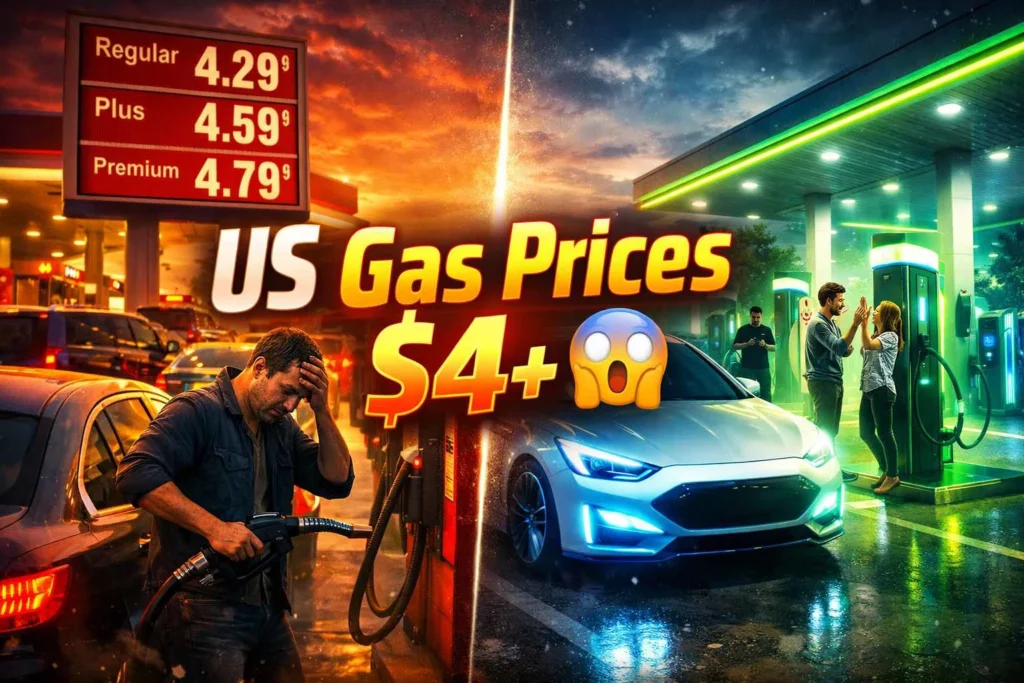
With gas prices climbing above $4 per gallon across most of the country and the $7,500 federal EV tax credit now gone since September 2025, hybrid vehicles are having their biggest moment ever. Here’s a deep dive into what the Q1 2026 sales data reveals — and what it means for American car buyers.
The Numbers: Hybrids Just Broke Every Record
First-quarter 2026 auto sales data, released by major automakers in early April, tells a remarkably clear story. While overall U.S. new-vehicle sales fell roughly 6% year-over-year to about 3.7 million units, electrified vehicles bucked the trend — and almost all of that growth came from hybrids, not battery-electric cars.
Electrified vehicles reached a record 26% of the U.S. market in Q1 2026. Hybrid sales surged roughly 57% year-over-year during the quarter. By comparison, battery-electric vehicle sales continued to slide, weighed down by the absence of the federal tax credit, elevated import tariffs on foreign-built EVs, and persistent consumer concerns about charging infrastructure.
When you factor in the full picture — traditional gas vehicles, hybrids, and EVs combined — about 94% of the U.S. market still runs on gasoline, either conventionally or through a hybrid system. Pure EVs account for just under 6% of sales.
The consumer has made a clear choice: yes to electrification, but not at the cost of convenience or price.
Why Are Hybrids Winning? Four Big Reasons
1. Gas prices are soaring. Regular unleaded gasoline topped $4 per gallon across most of the U.S. by late March and pushed to $4.10 before pulling back slightly in early April. At that price, the fuel savings from a hybrid become substantial and fast. According to industry analysts, a typical U.S. driver logging around 13,500 miles per year can save hundreds of dollars annually by choosing a hybrid over a comparable gas-only model — and the premium for a hybrid often pays for itself within a few years.
2. The EV tax credit is gone. The $7,500 federal tax credit for battery-electric vehicles, which had been a significant driver of EV adoption, expired on September 30, 2025. Congress has not restored it. Without that incentive, EVs look significantly more expensive relative to hybrids, which in most cases cost just a few thousand dollars more than their gas-only equivalents.
3. No range anxiety, no charging headaches. Hybrids run on gas when they need to. There’s no need to plan charging stops on road trips, no concern about finding a charger at your destination, and no anxiety about cold weather sapping your range. For the majority of American drivers, this simplicity is enormously appealing.
4. The hybrid lineup has never been better. Automakers have dramatically expanded their hybrid offerings over the past two years. Toyota now offers hybrid options across 16 of its 18 non-EV models. Hyundai added a hybrid version to its redesigned 2026 Palisade. Kia’s hybrid volume jumped an astonishing 73% in Q1 2026 — the highest quarterly hybrid total in the brand’s history. Even the base Ford Maverick is a hybrid. American buyers now have hybrid options in virtually every segment, from subcompact cars to large three-row SUVs.
Brand-by-Brand Highlights: Who’s Winning the Hybrid Race
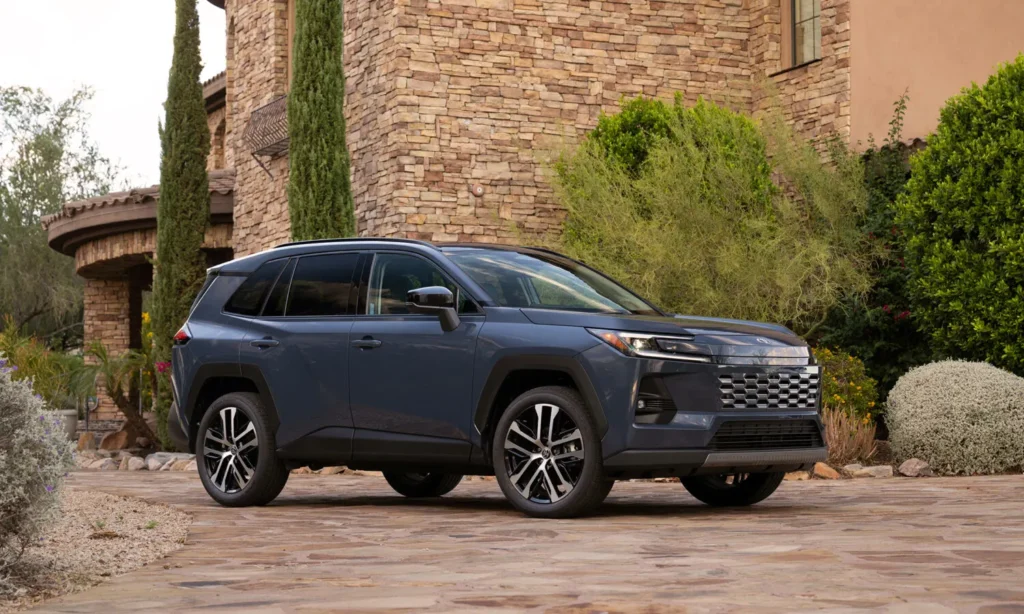
Toyota remains the undisputed king of hybrids, accounting for roughly 43% of all hybrid-electric vehicle sales in the U.S. The Toyota Camry, now sold exclusively as a hybrid, posted 78,247 units in Q1 — an 11.3% increase and cementing its place as the best-selling sedan in America. The RAV4 Hybrid and the new Grand Highlander Hybrid (up a staggering 87%) are also flying off lots. Toyota’s hybrid inventory is running at just five days of supply — essentially sold out — reflecting genuine scarcity.
Hyundai and Kia are surging. Hyundai recorded its best-ever Q1 in the U.S. with 205,388 units despite the overall market decline, driven largely by hybrid versions of the Sonata, Elantra, and Santa Fe. The Sonata Hybrid alone was up 150% year-over-year in March. Kia set an all-time Q1 record with 207,015 units, with hybrid volume up 73%.
Honda and Ford 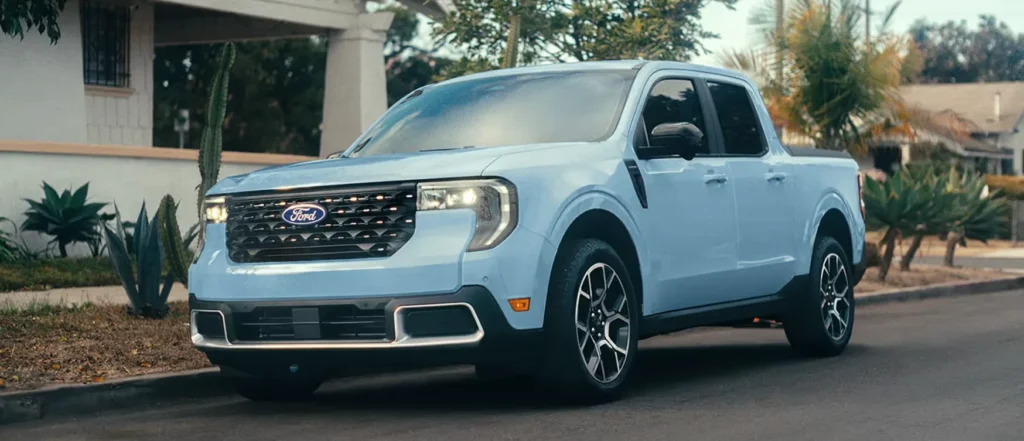 round out the top five hybrid sellers nationally. The Ford Maverick Hybrid continues to be an outlier in the truck segment — more than half of all Maverick buyers choose the hybrid version — while Honda’s Accord is gaining ground as a fuel-efficient family car.
What This Means If You’re Shopping for a Car Right Now
The hybrid surge has real practical implications for buyers:
Expect inventory shortages on popular hybrid models. If you want a Toyota RAV4 Hybrid or a Camry, be prepared for limited inventory and potentially above-MSRP pricing at some dealers. Supply simply cannot keep up with demand right now.
Do the math on fuel savings. With gas above $4 a gallon, the payback period on a hybrid premium has shortened considerably. Use our EV vs Gas Cost Calculator to run your own numbers and see how quickly fuel savings offset the higher sticker price. You can also check our EV Cost Per Mile Calculator to compare hybrid vs. EV running costs side by side.
Consider financing options carefully. With new car prices at record highs and interest rates still elevated, monthly payments matter. Our Car Loan EMI Calculator can help you figure out exactly what a hybrid purchase will cost you every month before you step into the showroom.
Don’t write off EVs forever. Analysts believe that once new domestically built EV models arrive in force and charging infrastructure matures, the EV share will grow again. But in the here and now of 2026, hybrids are the pragmatic, budget-friendly choice for most American drivers.
The Long View: Is This a Temporary Spike or a Permanent Shift?
Cox Automotive’s lead analyst Erin Keating put it bluntly: “I see no reason we won’t see another big surge” for hybrids through the rest of 2026. Sam Abuelsamid of Telemetry Research goes further, forecasting that virtually all new vehicles could be electrified by the end of the decade — with hybrids making up the vast majority of that electrification.
The story of 2026 American auto sales, at least so far, isn’t about battery packs and charging networks. It’s about a tried-and-true technology that quietly got very good, very available, and very cheap to own — right at the moment when gas prices gave Americans a compelling reason to care.
The hybrid moment isn’t a blip. It looks like the new normal.
Already driving a hybrid and considering the jump to a full EV? Our EV Charging Cost Calculator shows what your monthly electricity bill would look like, and the EV Tax Credit Calculator 2026 can tell you whether any credits currently apply to your next purchase.