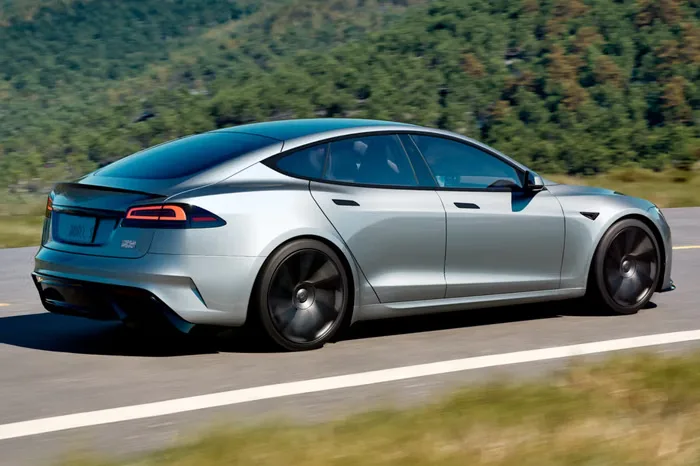
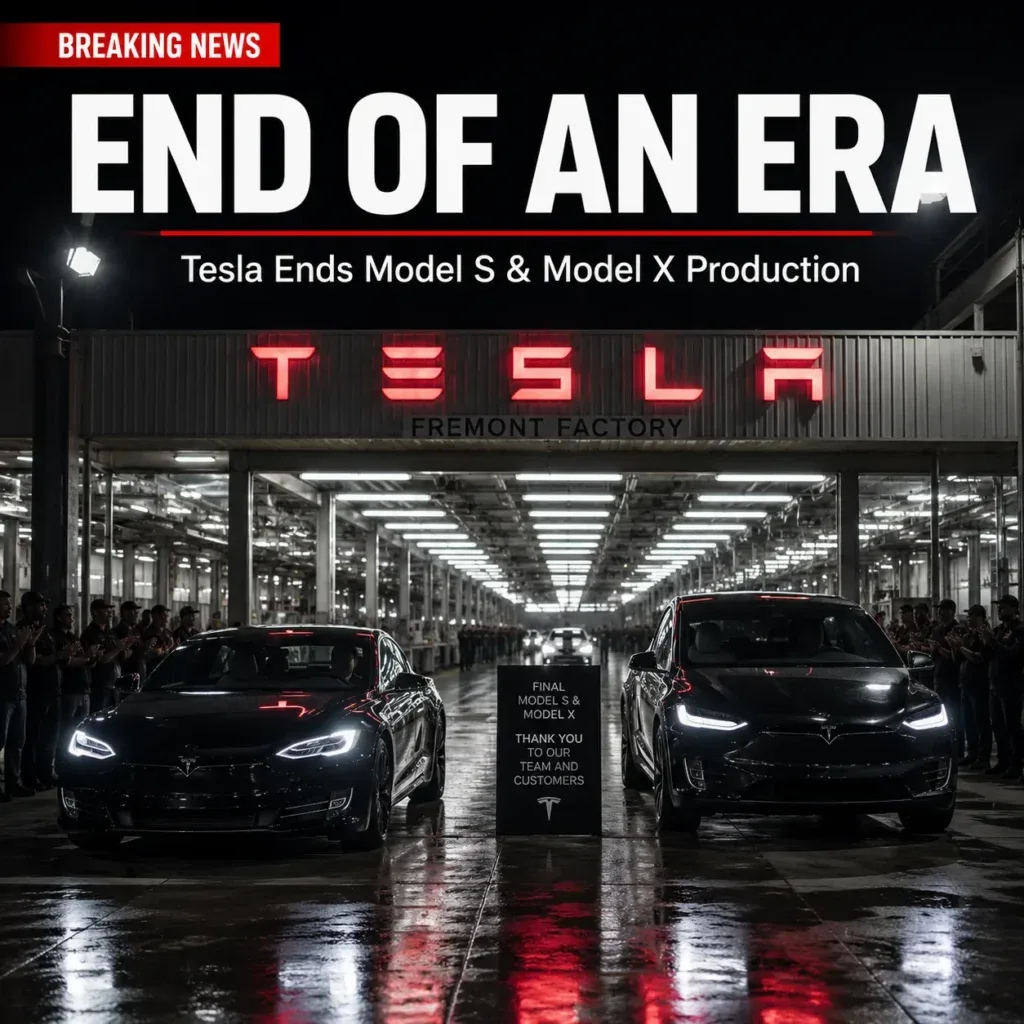
This past weekend, the last Tesla Model S rolled off the Fremont assembly line.
Right behind it, the last Model X.
That’s it. Fourteen years of production. Done.
InsideEVs confirmed it Sunday. Tesla didn’t hold a ceremony. No press release. No tribute video. The cars that proved electric vehicles could be desirable, fast, and worth serious money just quietly stopped being made.
And that’s somehow more appropriate than a big sendoff would have been.
What These Cars Actually Did
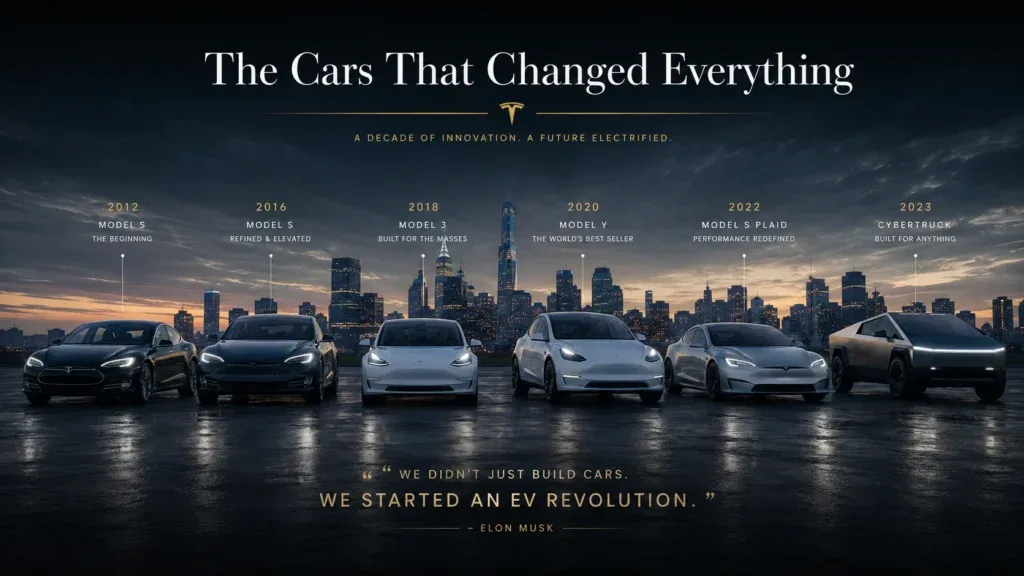
In 2012, the Tesla Model S arrived at a moment when “electric car” still meant a golf cart you could drive on public roads. The Nissan Leaf was the most mainstream EV available. It was slow, had limited range, and looked like it was designed to remind you that you’d made a responsible choice.
Then the Model S showed up. 265 miles of range. 0-60 in under 5 seconds. A 17-inch touchscreen when nobody had a touchscreen in their car. More cargo space than a traditional sedan. And it looked like something a person would actually want.
The automotive world didn’t really know what to do with it. Car reviewers gave it 100 points out of 100. Consumer Reports called it the best car they’d ever tested. Insurance companies didn’t know how to price it. Dealers didn’t know how to service it.
The Model S didn’t just prove electric cars could be good. It proved they could be better. That changed everything.
The Model X came in 2015 and added something purely theatrical — the falcon-wing rear doors that opened upward in tight parking spaces. Were they practical? Debatable. Did they make the car impossible to ignore? Absolutely. Every Model X that opened its doors in a parking lot drew a crowd.
also read : https://driveglobalnews.in/toyota-camry-hybrid-vs-honda-accord-hybrid-in/
Why Tesla Is Killing Them Now
The honest answer is that both cars were beginning to show their age architecturally.
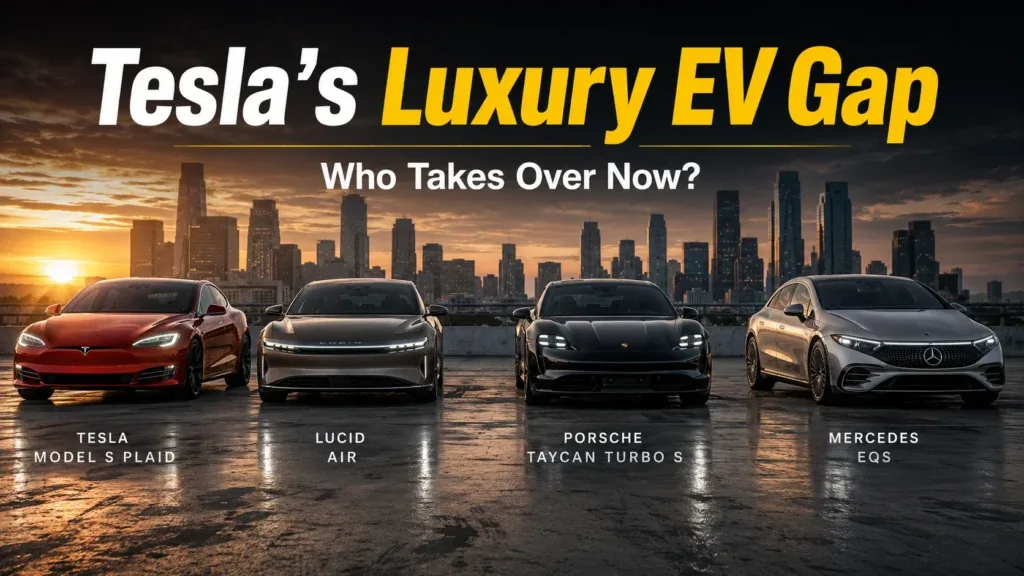
The Model S and Model X were remarkable achievements in 2012 and 2015. But 14 years in the tech industry is a generation. The electrical architecture underlying these vehicles — the same basic structure that underpinned the originals — had been updated and stretched about as far as it could go.
Meanwhile, the rest of the market caught up. The Lucid Air does more than 400 miles on a charge and costs less than a loaded Model S. The Porsche Taycan Turbo S matches the Plaid’s acceleration with better build quality and handling. Mercedes, BMW, and Audi now have serious competitors at the same price point.
For Tesla to compete properly at the top end of the market, they need a new platform. A new platform means new vehicles. And when you’re building new, there’s no point maintaining old production.
Resources freed from Model S and Model X manufacturing go toward whatever comes next. The Roadster, allegedly. A new flagship — possibly. But something built for 2030 rather than patched from 2012.
also read : https://driveglobalnews.in/polestar-just-revealed-a-100000-electri/
What This Means for Buyers
If you’ve been considering a Model S or Model X, the calculus changed this weekend.
The remaining dealer inventory is the last you’ll ever see new. Once it’s gone, there’s no reorder. No waiting list. The cars you see on lots right now are a finite resource.
That works both ways. Some buyers will pay premiums for the “last of the line” status — particularly the Plaid variants. Others will expect discounts as Tesla clears inventory to make room.
The smart move if you want one: negotiate aggressively right now. Dealers know these are the last units. They also know they can’t restock. That creates pricing pressure in both directions, and the buyer who walks in prepared with competitive alternatives has real leverage.
For everyone else: the Model 3 and Model Y continue unchanged. Tesla’s mainstream lineup is fine. The premium end just got a lot more interesting from a competitive standpoint — because the brands that were always chasing the Model S now suddenly have an opening they didn’t have before.
Fourteen years. End of an era. The next chapter is presumably more interesting.