Why More Americans : The conversation usually starts the same way.
Someone notices an older car in a parking lot.
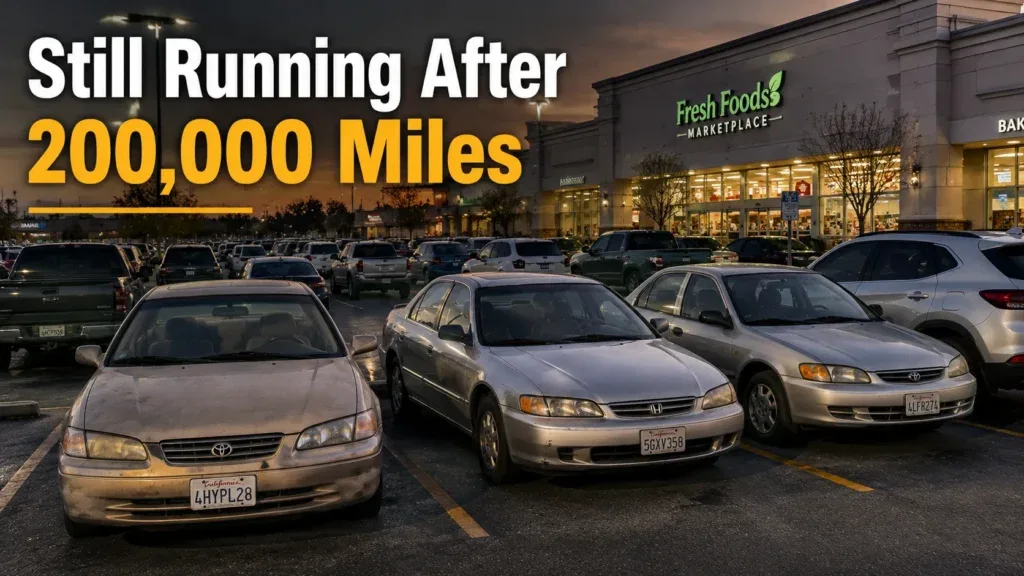
Maybe it’s a Toyota Camry with faded paint.
Maybe it’s a Honda Accord that’s clearly seen better days.
Maybe it’s a pickup truck that’s old enough to remember a different president.
Then somebody asks the question.
“How many miles does it have?”
The answer comes back.
“Two hundred and thirty thousand.”
Or two hundred and eighty thousand.
Sometimes even more.
A few years ago, those numbers would have sounded unbelievable.
Today they’re becoming surprisingly common.
And that’s because a quiet shift is happening across America.
People aren’t replacing their vehicles as quickly as they used to.
They’re keeping them.
Driving them longer.
Maintaining them better.
And in many cases, pushing well past the 200,000-mile mark.
The interesting part isn’t that it can happen.
It’s why so many people suddenly want it to happen.
Twenty Years Ago, The Goal Was Different
For a long time, many Americans viewed vehicles almost like smartphones.
Use them for a few years.
Trade them in.
Upgrade.
Repeat.
The cycle felt normal.
A new vehicle brought new technology, better fuel economy, and fresh excitement.
Keeping a car forever wasn’t necessarily the goal.
Then something changed.
Actually, several things changed.
Vehicle prices climbed.
Insurance costs climbed.
Monthly payments climbed.
And suddenly replacing a perfectly good vehicle stopped looking like an obvious decision.
The Average New Vehicle Isn’t Cheap Anymore
Walk into a dealership today and the numbers can feel shocking.
Many SUVs cost more than some homes did a generation ago.
Even mainstream family vehicles now carry price tags that would have seemed unrealistic ten years ago.
For many households, replacing a vehicle has become a major financial event.
That reality changes how people think.
Instead of asking:
“When should I replace this car?”
Many owners are now asking:
“How much longer can I keep it?”
That’s a very different mindset.
And it leads to very different decisions.
Cars Are Simply Built Better Than They Used To Be
This part often gets overlooked.
Modern vehicles are better.
Not perfect.
But better.
Engines last longer.
Transmissions last longer.
Manufacturing quality has improved.
Corrosion protection has improved.
Technology has improved diagnostic systems.
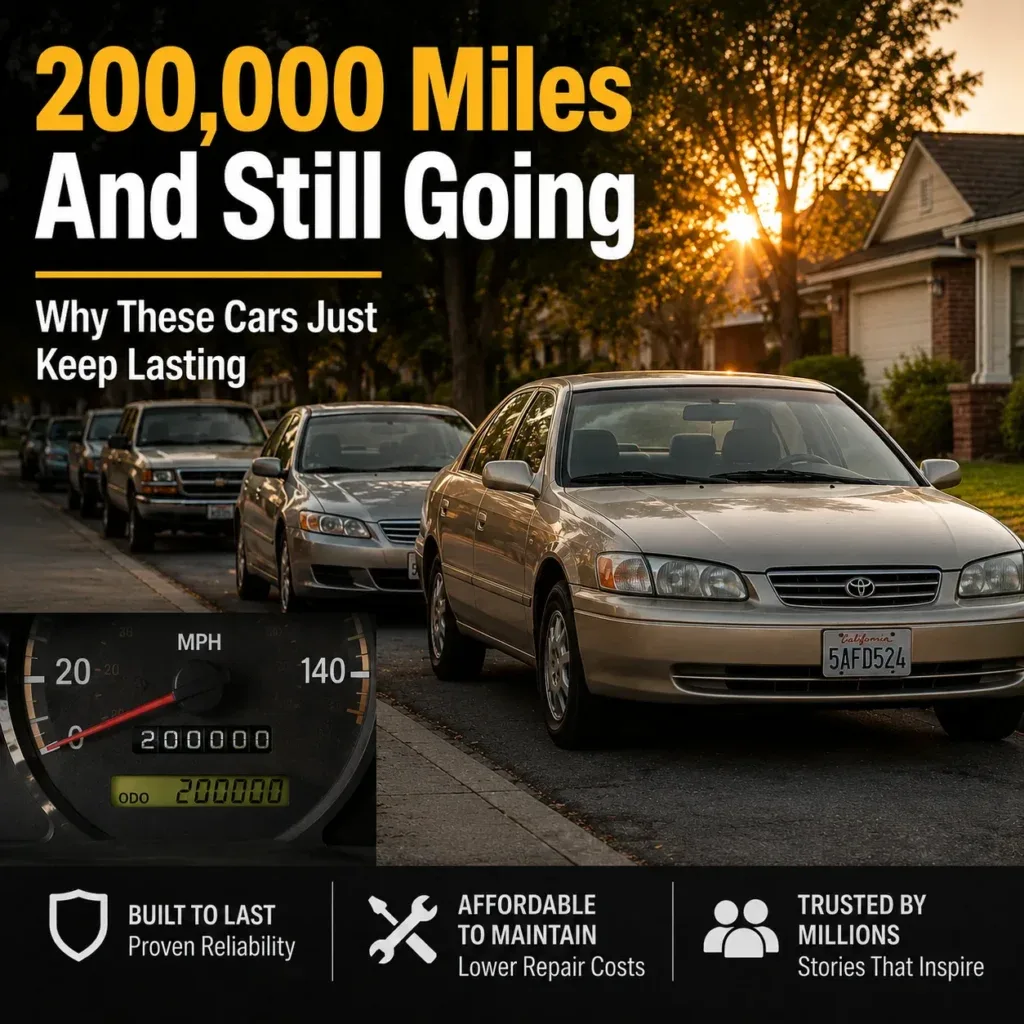
A well-maintained vehicle reaching 200,000 miles no longer feels extraordinary.
In many cases, it’s becoming expected.
Especially if the vehicle comes from a manufacturer with a strong reliability reputation.
That’s one reason brands like Toyota and Honda continue earning loyal followings.
Owners have seen what these vehicles can do over time.
The Math Has Changed
Imagine owning a vehicle that’s fully paid off.
No monthly payment.
No financing.
Just fuel, maintenance, insurance, and occasional repairs.
Now compare that with purchasing a new vehicle.
Suddenly that old car starts looking very attractive.
Even if it needs a repair now and then.
Many owners are discovering that a few repair bills can still cost far less than years of new-vehicle payments.
That’s changing behavior.
The goal isn’t necessarily avoiding repairs.
The goal is avoiding unnecessary expenses.
Also Read:
https://driveglobalnews.in/10-cars-that-save-more-money-than-most-people-realize/ – The vehicles quietly saving owners thousands through lower ownership costs.
Reliability Has Become A Bigger Selling Point
Something interesting happens after a person owns a reliable vehicle for ten years.
They stop caring about flashy advertisements.
They stop chasing every new feature.
They start valuing consistency.
A vehicle that starts every morning becomes difficult to replace.
A vehicle that survives road trips, bad weather, and daily commuting without drama earns trust.
Trust changes purchasing decisions.
It’s one reason high-mileage ownership stories continue spreading online.
People aren’t impressed by horsepower numbers anymore.
They’re impressed by vehicles that refuse to quit.
Social Media Changed The Conversation
A decade ago, most owners never talked publicly about mileage.
Today, people post photos of odometers showing 250,000 miles.
300,000 miles.
Sometimes 400,000 miles.
Those stories travel fast.
And they influence buyers.
When someone sees a vehicle routinely reaching mileage numbers that once seemed impossible, it changes expectations.
Suddenly 200,000 miles doesn’t look like an ending.
It looks like a milestone.
The Used-Car Market Played A Role Too
The last few years taught Americans an important lesson.
Replacement vehicles aren’t always easy to find.
And they’re not always affordable.
Used-car prices surged.
New-car inventories tightened.
Many consumers realized something.
The vehicle already sitting in their driveway might be more valuable than they thought.
That realization encouraged owners to invest in maintenance rather than replacement.
And in many cases, that decision paid off.
The Vehicles Most Likely To Reach The Goal
Not every vehicle is equally likely to cross 200,000 miles.
Some brands consistently appear in high-mileage discussions.
Toyota.
Honda.
Certain Ford trucks.
Certain Chevrolet trucks.
A handful of well-maintained SUVs.
The common thread isn’t magic.
It’s durability.
Combined with owners willing to perform routine maintenance.
High mileage isn’t usually the result of luck.
It’s the result of thousands of small decisions made over many years.
Also Read:
https://driveglobalnews.in/why-toyota-keeps-winning-when-others-keep/ – Why Toyota’s long-term approach continues attracting buyers focused on durability and value.
What 200,000 Miles Really Means
The number itself isn’t the story.
The story is what it represents.
Twenty years ago, reaching 200,000 miles often felt like surviving.
Today it increasingly feels like succeeding.
It means a family got value from a major purchase.
It means an owner made smart maintenance decisions.
It means a vehicle delivered on its promise.
That’s why people celebrate it.
Not because the number is impressive.
Because of everything required to reach it.
A Different Kind Of Achievement
There was a time when the dream was always something newer.
A newer car.
A newer SUV.
A newer truck.
For many Americans, the dream today looks a little different.
It’s walking outside on a cold morning, turning the key, and hearing an engine with 220,000 miles come to life like it’s just another Tuesday.
No warning lights.
No surprises.
No drama.
Just another day.
And in a world where almost everything seems designed to be replaced, there is something strangely satisfying about a machine that keeps showing up year after year, asking for nothing more than fuel, maintenance, and a little respect.
Maybe that’s why so many Americans are keeping their vehicles longer.
Not because they have to.
Because they’ve discovered that sometimes the smartest purchase isn’t the next car.
It’s the one already sitting in the driveway.