The Auto Industry Story Nobody : Last month, I was standing in line at a coffee shop when I overheard two people talking about cars.
One was explaining why he decided not to buy a new vehicle this year.
The other said he was keeping his current SUV for at least another five years.
Neither conversation involved horsepower.
Neither involved electric vehicles.
Neither involved self-driving technology.
In fact, they weren’t talking about cars at all.
They were talking about money.
And that’s when it hit me.
The biggest automotive story in America right now might not be about vehicles.
It might be about the people buying them.
Or more specifically, the way they’re changing.
Because while the industry keeps talking about the future of cars, consumers are quietly changing the rules of the game.
And surprisingly few people seem to be paying attention.
For Years, The Industry Focused On The Vehicle
Consumers Are Starting To Focus On Ownership
This sounds like a small difference.
It isn’t.
For decades, automakers competed by building better vehicles.
More power.
More technology.
More luxury.
More features.
Those things still matter.
But many buyers have started asking a different question.
“What will this vehicle cost me after I buy it?”
That’s a completely different conversation.
And it’s changing the market in ways that aren’t making enough headlines.
Buyers Are Doing More Math
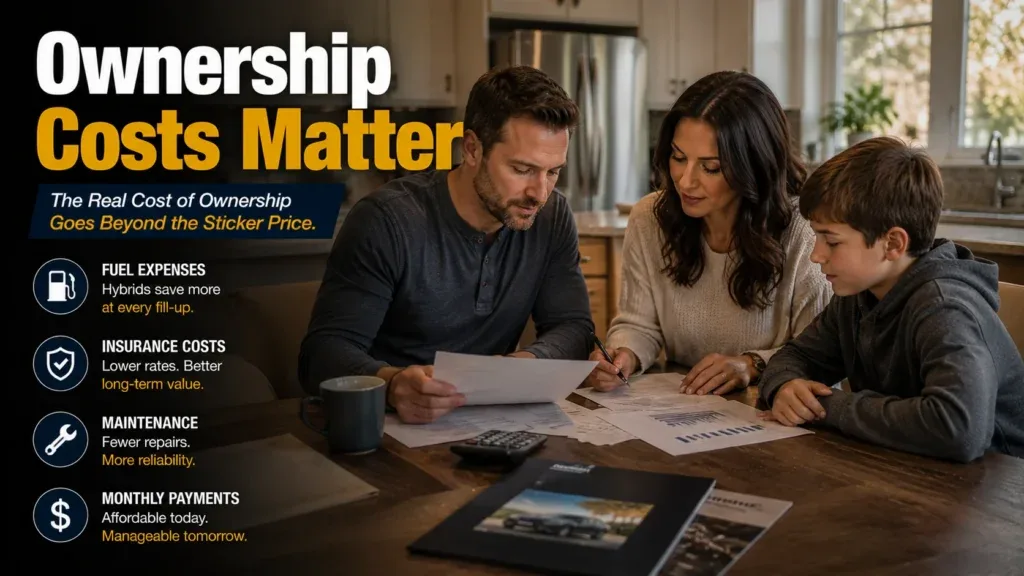
A decade ago, many people walked into dealerships thinking about monthly payments.
Today, a growing number are thinking about ownership costs.
Fuel expenses.
Insurance.
Maintenance.
Depreciation.
Long-term value.
That’s important because ownership costs don’t appear on a window sticker.
Yet they often determine whether a vehicle feels like a smart purchase years later.
The smartest buyers are beginning to realize that.
And manufacturers are noticing.
The Rise Of The Practical Buyer
For years, the automotive industry benefited from aspiration.
People bought vehicles because they wanted something bigger.
Faster.
More luxurious.
Today, many consumers are becoming more practical.
Not because they stopped dreaming.
Because they’ve become more selective.
They want value.
Efficiency.
Reliability.
Flexibility.
A vehicle that fits their life.
Not one that simply impresses their neighbors.
That shift may sound subtle.
But it influences everything.
Hybrids Are Benefiting The Most
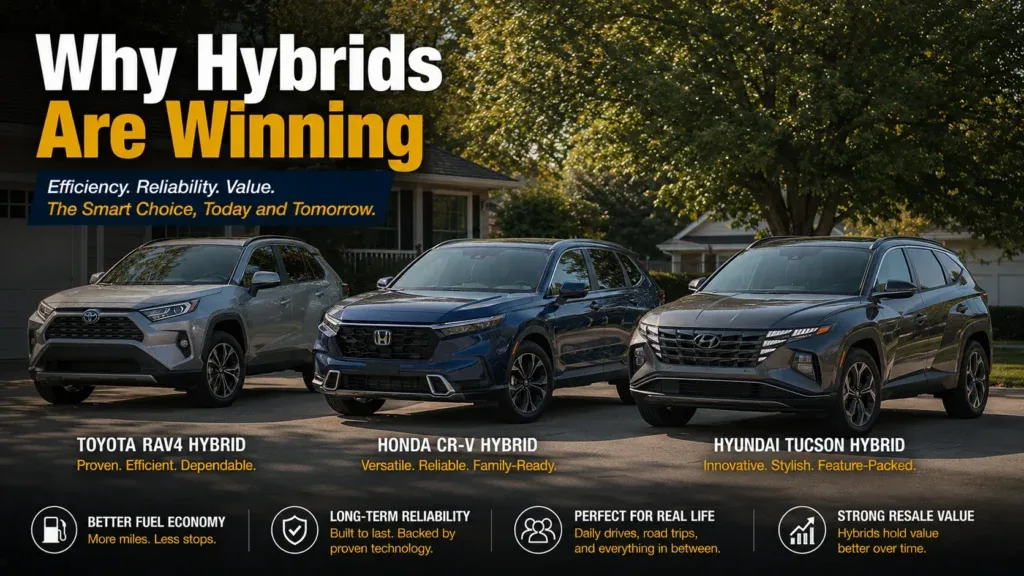
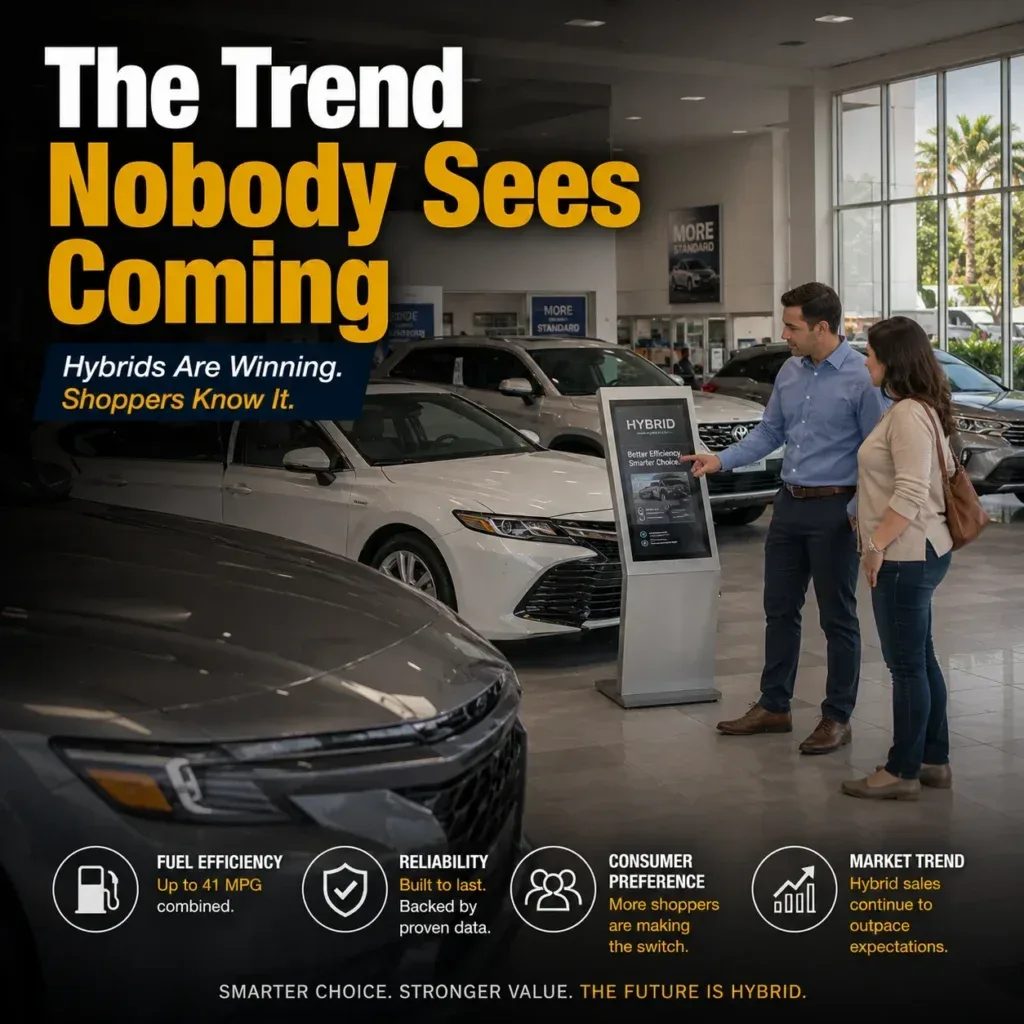
One of the clearest examples is the hybrid market.
A few years ago, hybrids sometimes felt like a transitional technology.
Today they feel like a solution.
Consumers want lower fuel costs.
But many aren’t ready to fully commit to electric vehicles.
Hybrids meet them in the middle.
No charging routine.
No range concerns.
Better efficiency.
Familiar ownership.
That’s why so many hybrid models are attracting attention right now.
They’re solving a problem buyers actually have.
Also Read:
https://driveglobalnews.in/best-cars-under-40000-ranked-for-real-ownership/ – The vehicles that continue making sense long after the excitement of purchase day fades.
The Vehicle Is Becoming A Financial Decision Again
This may be the most important trend of all.
For a long time, vehicles were often emotional purchases.
And they still are.
But increasingly, they’re becoming financial decisions too.
Consumers are comparing vehicles the same way they compare other major purchases.
They’re calculating.
Researching.
Questioning assumptions.
Thinking long-term.
That’s creating a more informed buyer.
And informed buyers tend to make different choices.
Bigger Isn’t Automatically Better Anymore
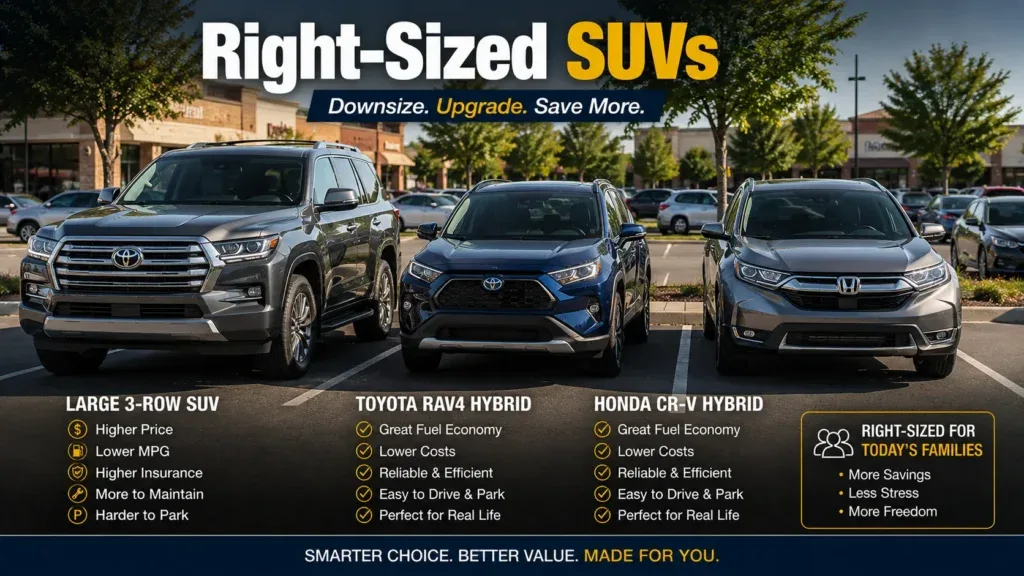
For years, the SUV market followed a simple formula.
More space equals more value.
That assumption is starting to weaken.
Many families are discovering that a compact hybrid SUV handles nearly everything they need.
Without the extra fuel costs.
Without the larger payment.
Without the additional ownership expenses.
The result is a growing appreciation for vehicles that feel right-sized.
Not oversized.
That shift could shape product planning for years.
Reliability Is Quietly Becoming Cool Again
A funny thing is happening.
Reliability is becoming exciting.
Not because people suddenly love maintenance schedules.
Because reliable vehicles save money.
Save time.
Reduce stress.
In an era where vehicle ownership costs matter more than ever, dependability feels different.
It feels valuable.
That’s one reason brands known for long-term ownership continue attracting buyers.
People aren’t just buying transportation.
They’re buying predictability.
And predictability has become surprisingly attractive.
Also Read:
https://driveglobalnews.in/why-more-americans-are-keeping-their-cars-past-200000-miles/ – Why millions of owners are choosing longevity over replacement.
Automakers Are Starting To Notice
Manufacturers pay attention when buyers change behavior.
And buyers are definitely changing behavior.
Vehicles that offer strong value are receiving attention.
Efficient powertrains are receiving attention.
Hybrid models are receiving attention.
Ownership costs are receiving attention.
The market always follows consumer priorities.
And consumer priorities are shifting.
Slowly.
But unmistakably.
Why This Story Matters
The automotive industry loves dramatic stories.
Massive technological breakthroughs.
Record-setting vehicles.
Revolutionary designs.
Those stories are exciting.
This story is different.
It’s quieter.
It’s happening in family budgets.
In kitchen-table discussions.
In dealership conversations.
In decisions about whether to replace a vehicle or keep it another five years.
And that’s exactly why it’s important.
Because major industry shifts often start with ordinary people making ordinary decisions.
The View From Five Years From Now
Five years from now, people may look back and wonder when the automotive market changed.
Many will point to new technologies.
New vehicles.
New regulations.
They might be wrong.
The real turning point could be happening right now.
In thousands of homes across America.
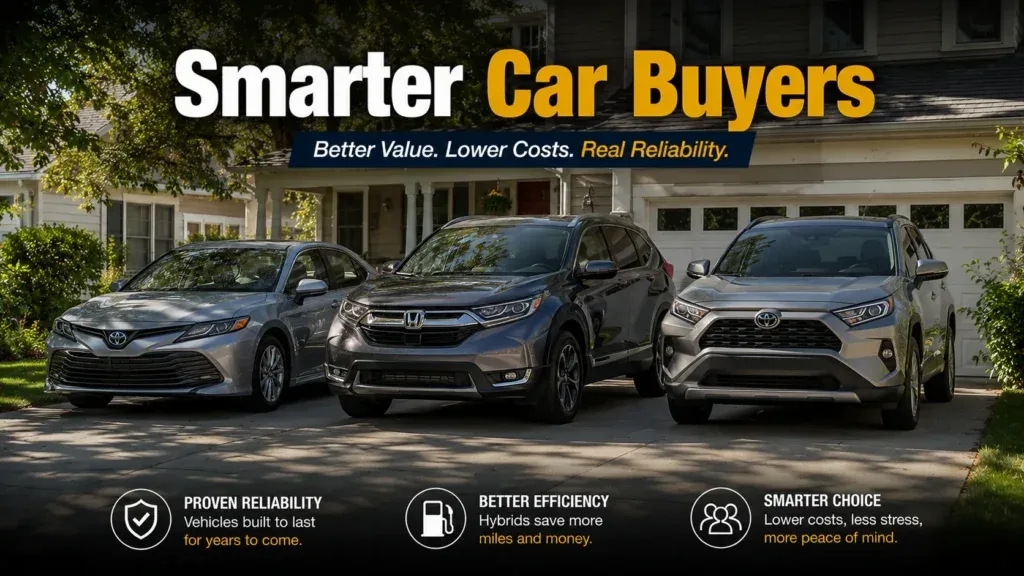
A family deciding they don’t need a larger SUV.
A commuter choosing a hybrid.
An owner keeping a reliable vehicle longer.
A buyer focusing on ownership costs instead of marketing promises.
None of those decisions make headlines.
But together, they tell a story.
A story about consumers becoming smarter, more practical, and more intentional.
And while the industry is busy talking about the future of cars, that quiet change in the people buying them may end up being the most important automotive story of all.