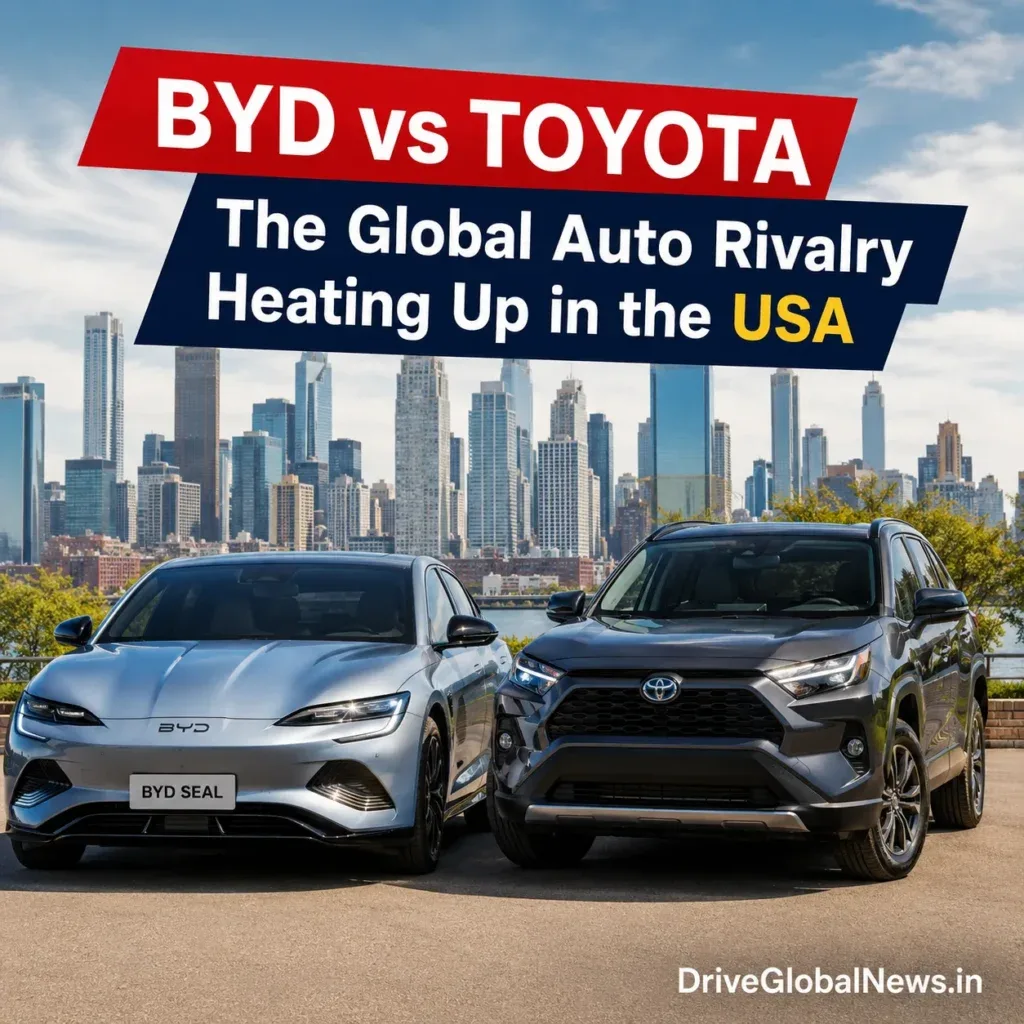
BYD, the Chinese electric vehicle giant, just made a bold announcement — they want to overtake Toyota as the world’s largest automaker by 2030. For many Americans, this raises an important question: Should we be worried?
This isn’t just another ambitious claim. BYD is already the biggest EV seller in the world and is growing extremely fast. Here’s what this goal really means for American car buyers.
How Big Is BYD Right Now?
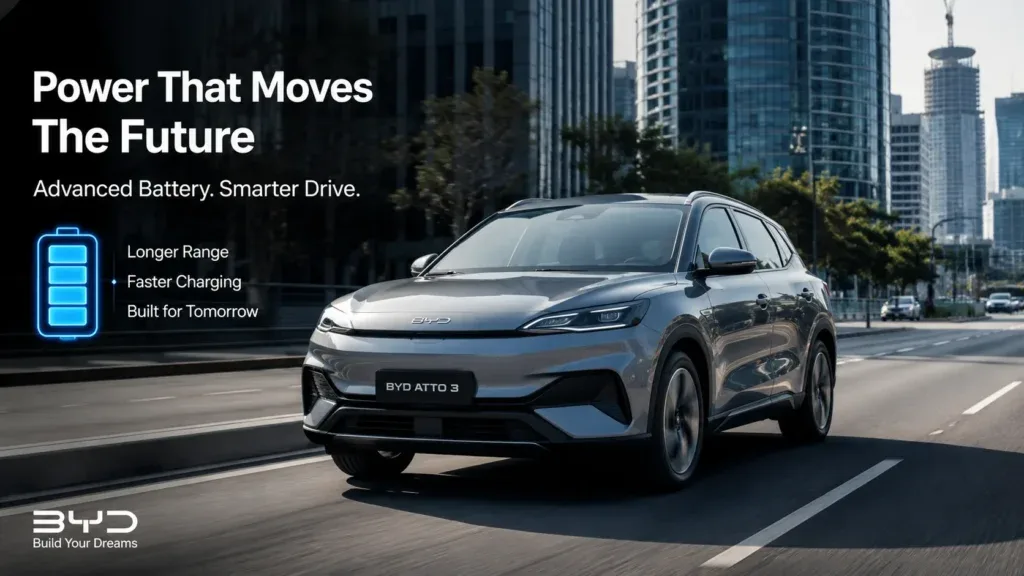
BYD has been selling millions of vehicles annually, mostly in China and emerging markets. Their cars are known for being affordable, well-equipped, and packed with technology. In some countries, they are already outselling traditional brands.
In the U.S. market, BYD’s presence is still very limited due to high tariffs on Chinese vehicles. But their rapid progress cannot be ignored.
What BYD’s Goal Means for the Industry
If BYD actually manages to overtake Toyota by 2030, it would mark a massive shift in the global auto industry. Toyota has been the king for decades with its legendary reliability and hybrid technology. BYD’s strength is in affordable EVs and batteries.
This competition could be good for consumers. More pressure on established brands often leads to better features, lower prices, and faster innovation.
Should American Buyers Be Worried?
Not immediately. Here’s why:
- High tariffs (currently 100% on many Chinese EVs) make BYD vehicles expensive to import right now.
- American buyers are still cautious about Chinese brands regarding quality, long-term reliability, and data privacy.
- U.S. brands and other international manufacturers are also ramping up their own EV and hybrid offerings.
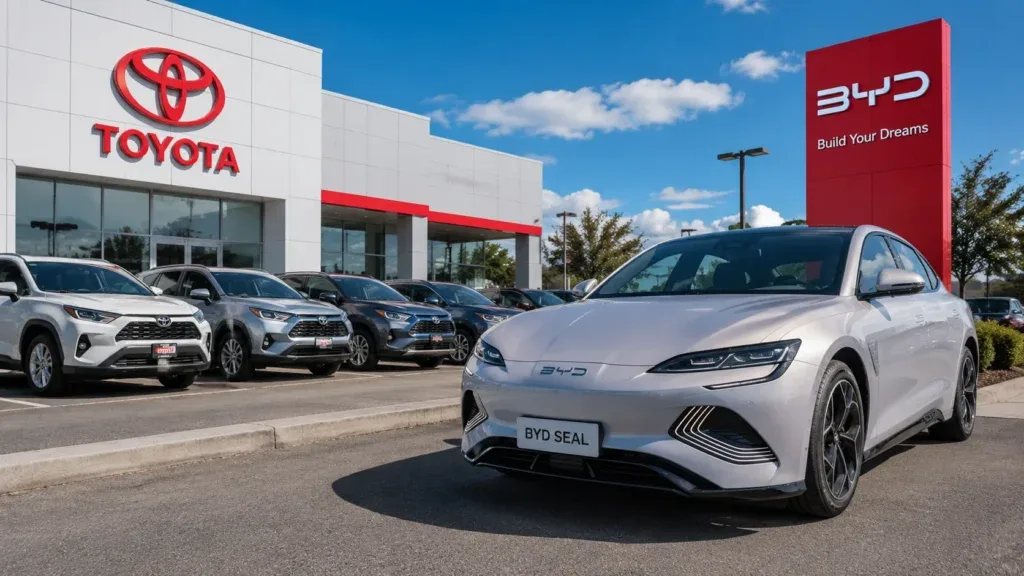
However, if BYD manages to build cars in North America or find ways around tariffs in the future, the situation could change quickly. Their low production costs could put serious pressure on pricing across the industry.
The Bigger Picture
BYD’s rise shows how fast the global car industry is changing. Just a few years ago, no one imagined a Chinese company challenging Toyota’s dominance. Now it’s a realistic possibility.
For American buyers, this could eventually mean more affordable electric and hybrid options. But it also raises questions about supporting domestic or allied manufacturing versus chasing the cheapest price.
What This Means for You as a Buyer
Right now, most American buyers are still better off with established brands like Toyota, Honda, Ford, or Tesla when considering reliability, resale value, and service network.
But it’s smart to keep an eye on how this competition develops. Increased rivalry usually benefits consumers with better deals and technology.
The One Thing This Situation Makes Clear
The era of Western and Japanese dominance in the auto industry is being seriously challenged. BYD’s aggressive 2030 goal shows how determined Chinese manufacturers are to become global leaders.
Whether they succeed or not, the pressure they are putting on legacy automakers is already forcing faster innovation and more competitive pricing.
American car buyers should stay informed but not panic. Competition is generally healthy for the market. The real winners will be those who carefully compare quality, long-term costs, reliability, and features — no matter which country the brand comes from.
If you’re shopping for a new car this year, make sure you understand how your choice affects car insurance costs in 2026, especially for EVs. Also check our recent article on the most American-made cars if supporting U.S. manufacturing is important to you.
What do you think — should American buyers be worried about BYD’s rise, or is more competition a good thing? Share your opinion in the comments.