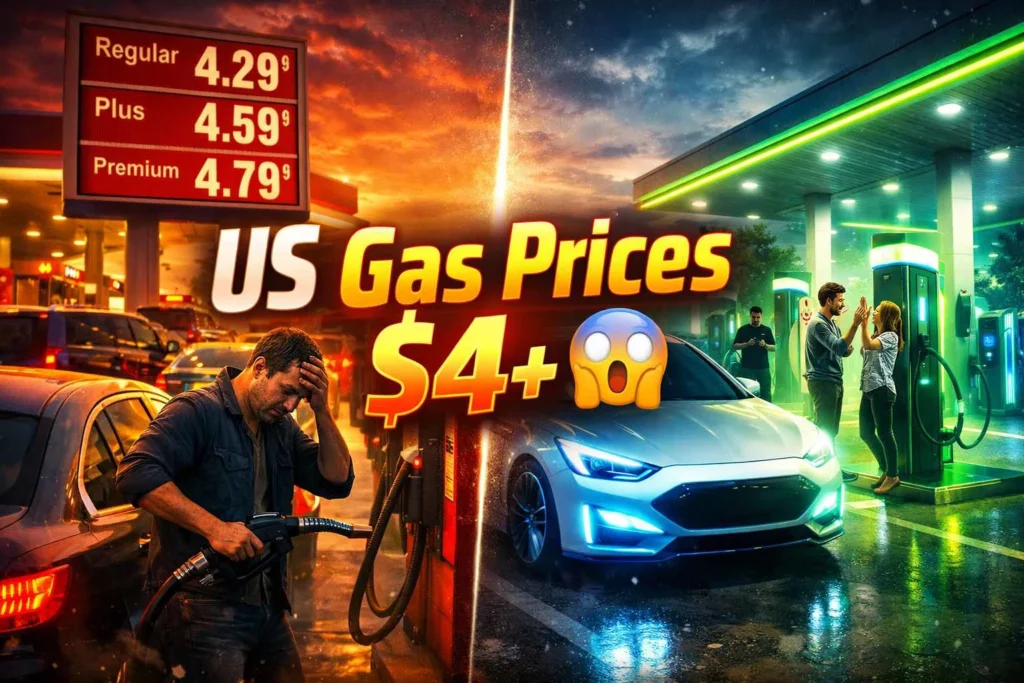
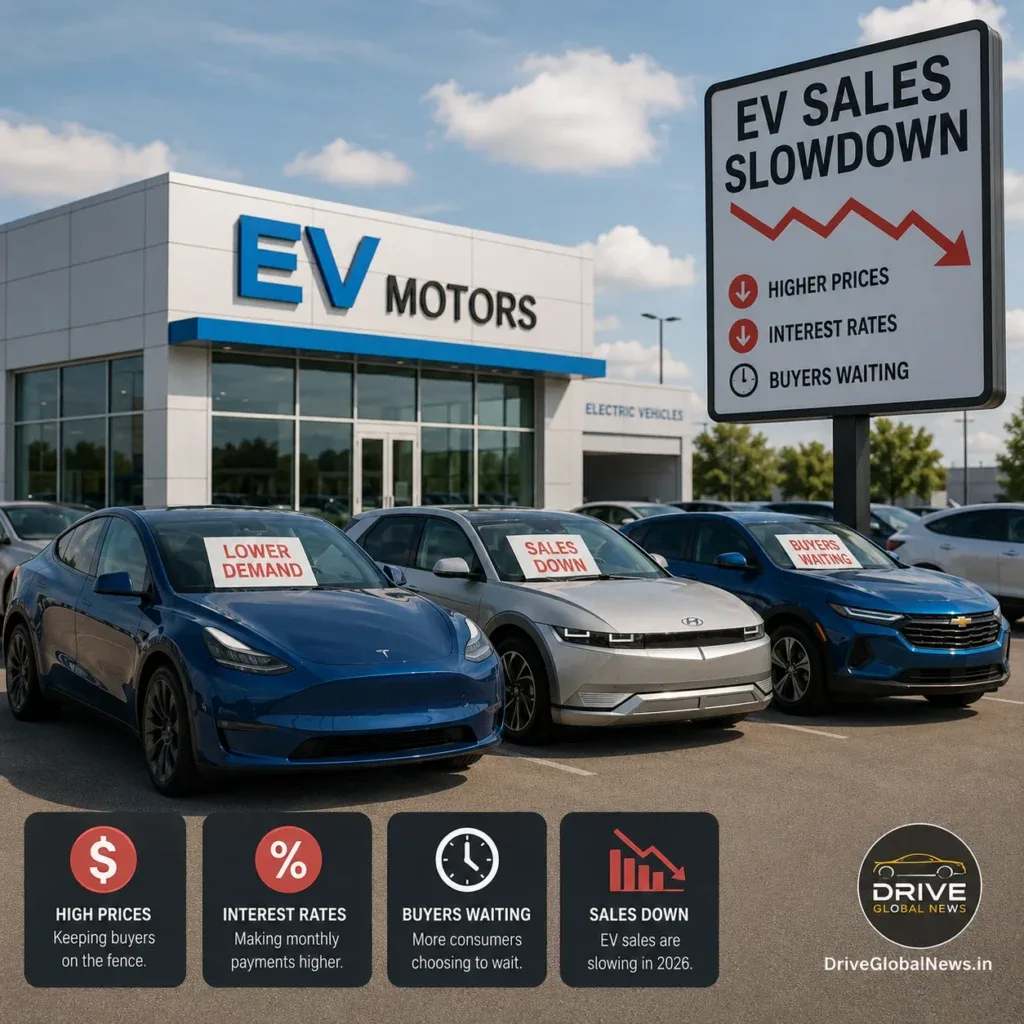
EV sales dropped 9.8% in April 2026 compared to the previous year. This is the kind of headline that makes people nervous about the future of electric vehicles. But what does it actually mean for regular car buyers like you and me?
Here’s the clear picture of what this slowdown really means.
Why EV Sales Are Falling
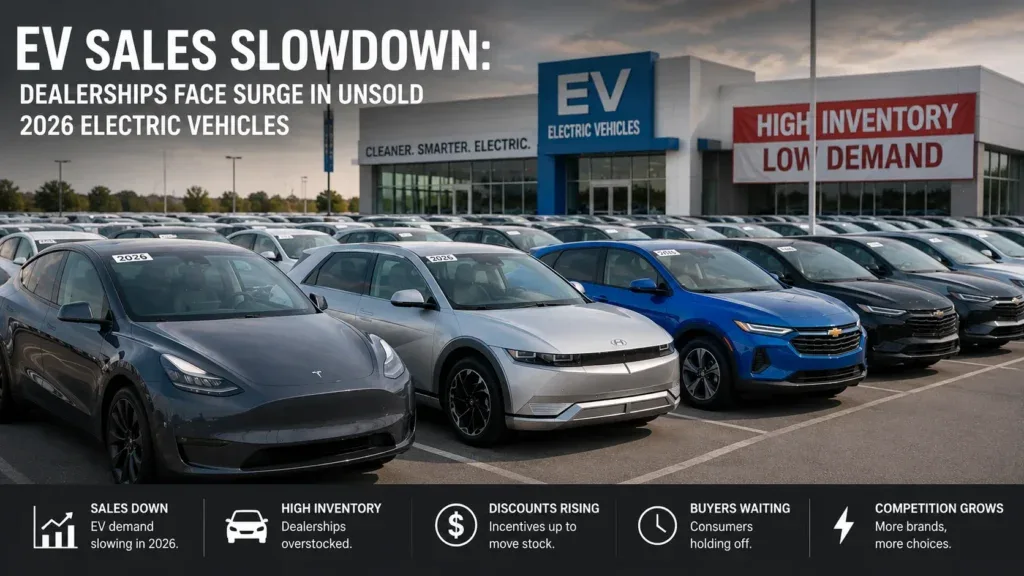
Several factors are hitting the EV market right now:
- High interest rates are making monthly payments more expensive.
- Many buyers are still worried about range, charging infrastructure, and resale value.
- The end of some federal tax credits has removed a big incentive for many shoppers.
- Tesla, the market leader, saw a noticeable sales decline.
This isn’t just one bad month — it’s part of a broader cooling trend in 2026.
What This Means for Car Buyers Right Now
Good news: This slowdown is creating better deals for buyers.
Automakers are offering bigger discounts, lower financing rates, and more incentives on EVs to move inventory. You can find significantly better pricing on popular models like the Tesla Model Y, Chevrolet Equinox EV, and Hyundai Ioniq 5 right now compared to late 2025.
The Bigger Picture for 2026 and Beyond
The EV market isn’t dying — it’s maturing. Growth is slowing from the explosive numbers we saw a few years ago, but long-term adoption is still expected to increase.
For buyers, this means more realistic expectations. EVs are becoming a practical choice for the right people, but they are not replacing gas and hybrid cars as fast as some predicted.
Who Should Buy an EV Right Now?
If you have home charging, drive mostly in the city or suburbs, and can take advantage of current deals, this slowdown is actually a great time to buy.
If you do a lot of long highway trips, live in a cold climate, or don’t have easy charging access, hybrids or gas cars are still smarter choices for most people in 2026.
The One Thing This Drop Makes Clear
The EV market is correcting itself. The hype is cooling down, and reality is setting in. This is healthy for the industry in the long run.
Car buyers are winning right now because manufacturers are working harder to make EVs more attractive with better pricing and features.
Final Advice for Buyers
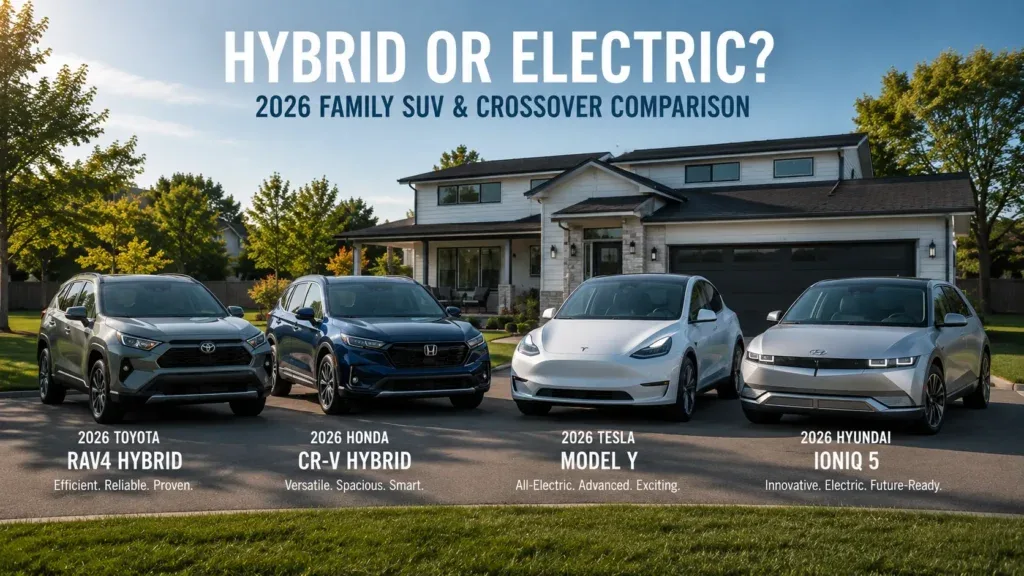
Don’t rush into an EV just because of future predictions. Compare real-world costs, including insurance, charging, and resale value. Many buyers are finding that hybrids currently offer the best balance of savings and practicality.
The April sales drop is a reminder that the transition to electric is happening more gradually than many expected.
If you’re shopping for any new car, make sure you understand how an accident could affect your insurance rates in 2026. And check our guide on best hybrid cars under $30,000 if you want maximum savings without going full electric.
What do you think about the slowing EV sales — good news for buyers or worrying sign for the industry? Share your thoughts in the comments.