Most people only think about car insurance twice a year: when the bill arrives and when something goes wrong. The rest of the time it just sits in the background, quietly getting more expensive. In 2026, that quiet increase is turning into something harder to ignore.
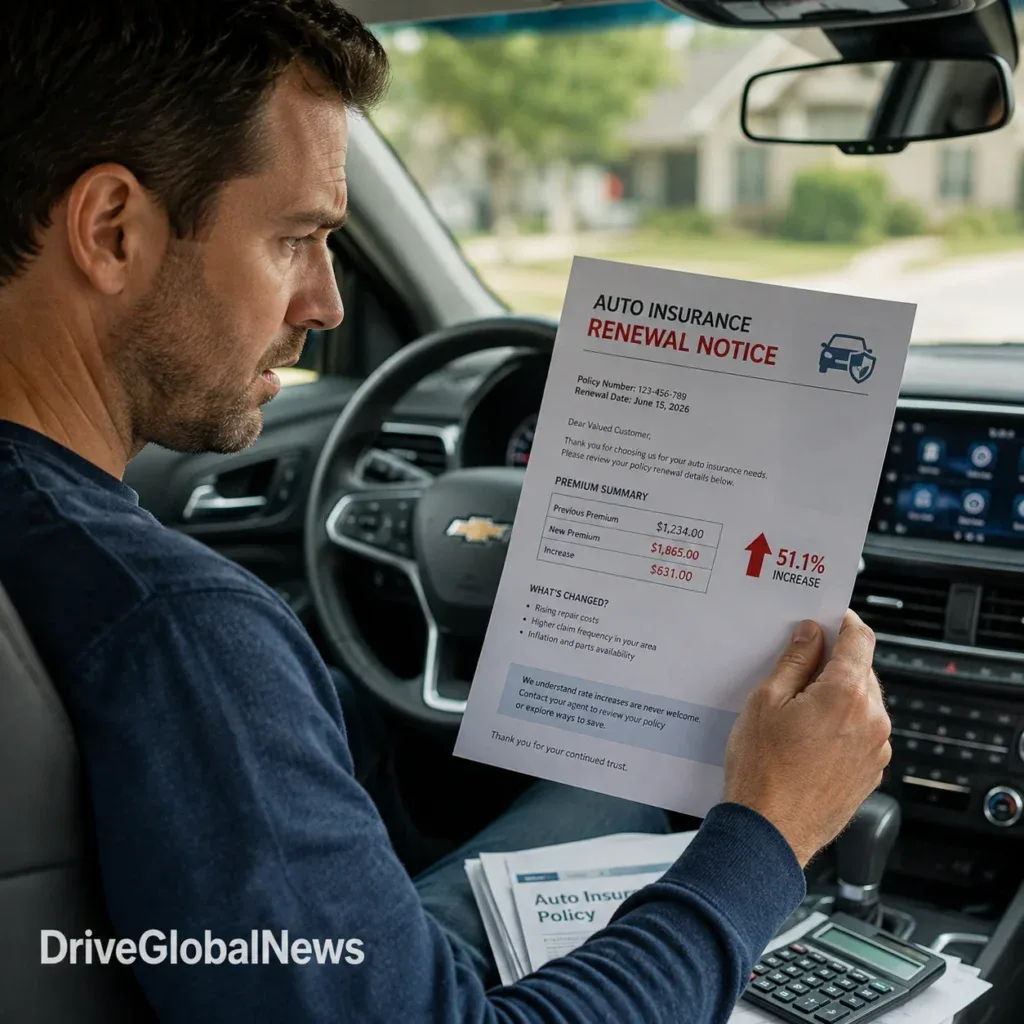
Across the country, drivers are opening renewal notices and seeing jumps of 8%, 12%, sometimes more than 20%. For a lot of households that already feel stretched, another $300 to $800 a year in insurance costs is real money. The frustrating part is that many of these increases feel disconnected from how carefully you actually drive.
Here’s what’s really driving the latest round of rate hikes — and, more importantly, what you can still do about it before your next renewal locks in the higher price.
Why Rates Keep Climbing in 2026
Insurance companies don’t raise rates because they feel like it. They raise them because the math stopped working. Several forces are hitting the industry at the same time.
Repair costs are the biggest one. Modern vehicles are packed with sensors, cameras, radar units, and specialized materials. A simple bumper repair that used to cost a few hundred dollars can now run into the thousands once you factor in recalibrating all the safety systems. Insurers are paying out more per claim than they used to, and those costs eventually show up in everyone’s premiums.
Claim frequency is another factor. More cars on the road, more distracted driving, and in some regions more severe weather events all contribute to a higher number of claims. When the total amount insurers pay out rises faster than the premiums they collect, rates go up.
Inflation in parts and labor plays a role too. Body shops are charging more. Replacement parts, especially for newer models and hybrids, cost more. Even the cost of rental cars while your vehicle is in the shop has climbed. All of it feeds into the same rate calculations.
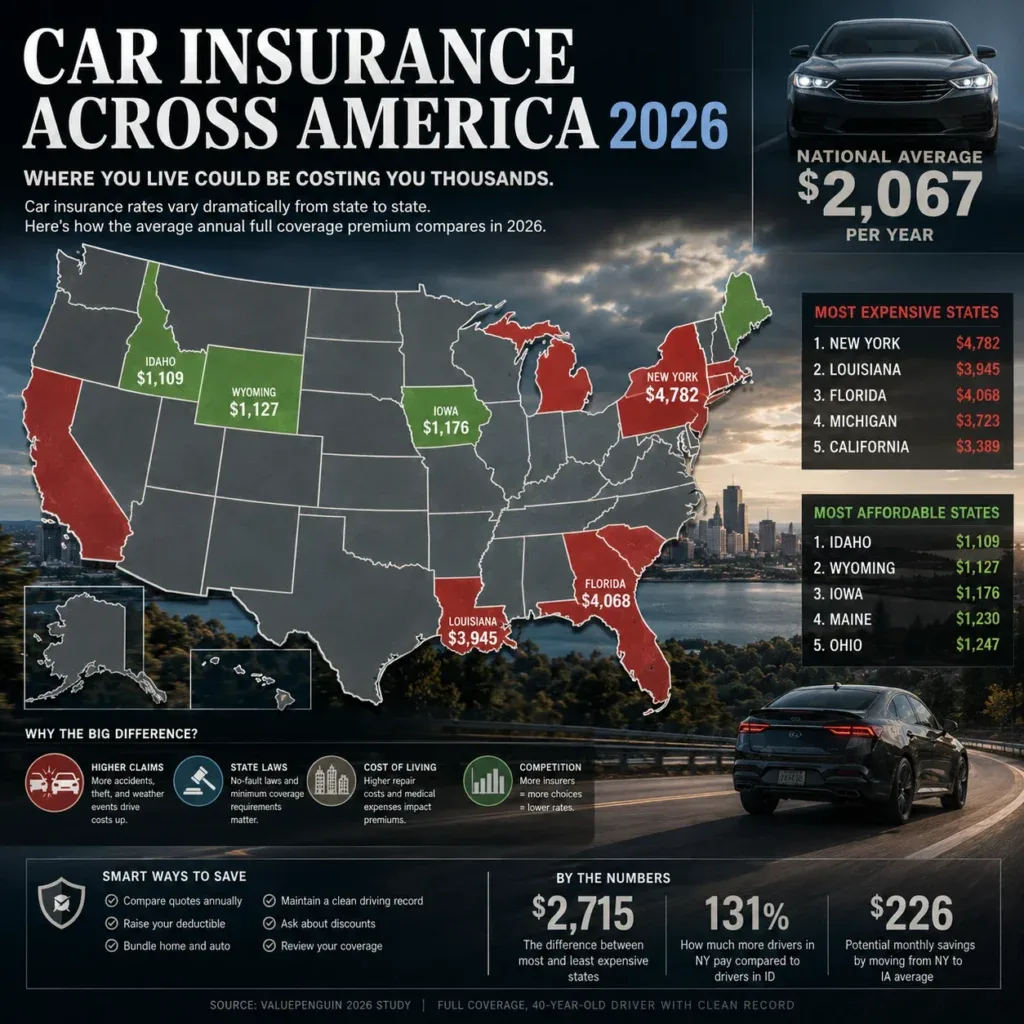
Finally, some states have regulatory and legal environments that make insurance more expensive. Higher medical costs, more lawsuits, and different rules around how rates can be set create wide differences from one state to another. Drivers in high-cost states feel these increases more sharply.
The result is simple: even careful drivers with clean records are seeing higher bills.
The Timing Problem Most People Miss
Here’s the part that costs people money. Most drivers wait until the renewal notice arrives, look at the new number, feel annoyed, and then just pay it. By then the rate is largely locked in for the next six or twelve months.
The real opportunity sits in the 45 to 60 days before your renewal. That window is when you still have leverage. You can shop around, gather competing quotes, and either switch or force your current company to compete for your business. Once the renewal is processed, your options shrink.
If your renewal is coming up in the next two months, the clock is already running.
What You Should Do Right Now

The goal is not to panic. The goal is to treat your insurance bill like any other major household expense and actively manage it. Here are the steps that actually move the number.
1. Start shopping early Get quotes from at least four or five companies while you still have time. Include the big national names and any strong regional insurers in your state. Make sure every quote uses the same coverage limits and deductibles so you’re comparing apples to apples. Many people are surprised by how much the prices vary for the exact same coverage.
2. Raise your deductible if you can afford it Moving from a $500 deductible to $1,000 (or higher) is one of the fastest ways to lower your premium. The savings can be significant. The only rule is that you must have the cash available to cover that higher deductible if you need to file a claim. If you don’t, leave it alone.
3. Review every coverage line A lot of policies carry coverage that no longer makes sense. If your car is older and worth only a few thousand dollars, full coverage (collision and comprehensive) may cost more over time than the car is worth. Rental reimbursement, extra roadside assistance, and certain add-ons are also worth examining. Dropping what you don’t need can free up real money.
4. Ask for every discount Call your insurer and any companies you’re quoting and specifically ask what discounts you qualify for. Common ones include multi-policy, multi-car, safe driver, paperless billing, automatic payments, good student, defensive driving courses, and telematics programs. Many customers leave discounts on the table simply because they never ask.
5. Consider a usage-based program If you’re a careful driver, telematics programs that track your habits can produce meaningful discounts. These programs measure things like hard braking, speeding, time of day, and phone use. Safe drivers often see solid savings. If your driving is aggressive or mostly at night, the discount may be smaller or nonexistent.
6. Improve the factors you can control Your credit score still affects rates in most states. Paying down balances and fixing errors on your credit report can help over time. Keeping a clean driving record matters more than ever. Even one at-fault accident or moving violation can follow you for years.
7. Use competing quotes as leverage Once you have lower offers, call your current company. Tell them you’re prepared to switch and ask if they can do better. Many insurers would rather keep you at a reduced rate than lose you entirely. This works best when you have written quotes from competitors in hand.
How Much Can You Actually Save?
Results vary, but drivers who actively shop and adjust their policies often find savings of $400 to $1,200 a year, sometimes more. The biggest gains usually come from switching companies or significantly raising deductibles. Smaller gains come from discounts and trimming unnecessary coverage.
The key is that these savings are available before the higher renewal rate takes effect. Afterward, you’re mostly stuck until the next cycle.
What Not to Do
Don’t drop below your state’s minimum coverage requirements. That creates legal and financial risk that far outweighs any short-term savings. Don’t lie on applications about mileage, garaging address, or drivers in the household. Insurers check, and misrepresentation can lead to denied claims or canceled policies. And don’t assume your current company will automatically reward your loyalty with the best rate. In many cases, new customers get better pricing than long-term ones.
The Longer View
Insurance costs are unlikely to fall dramatically in the near term. Repair complexity, parts prices, and claim trends all point toward continued pressure on rates. That makes active management more important, not less. Treating your policy as a set-it-and-forget-it bill is becoming an expensive habit.
The drivers who come out ahead are the ones who treat insurance like a negotiable expense. They track their renewal dates, start shopping early, and make adjustments when the numbers stop making sense.
The Bottom Line
Your car insurance bill is under real pressure again in 2026. Higher repair costs, more claims, and broader inflation are pushing rates up even for careful drivers. The increase is not personal — but the response can be.
You still have tools. Shopping early, adjusting deductibles, removing unneeded coverage, capturing every discount, and using competing quotes as leverage can meaningfully reduce what you pay. The window to act is the weeks before your renewal, not the day the new bill arrives.
If you take only one step, make it this: put a reminder on your calendar 60 days before your next renewal and spend a couple of hours getting fresh quotes. That single habit prevents more overpayment than almost anything else.
Before you lock in any new policy, take a minute to understand how your ZIP code affects car insurance rates in 2026 — the gap between nearby areas can be bigger than most people realize. And if you want a step-by-step plan for cutting your bill, see our guide on how to lower your car insurance before renewal.
Has your premium gone up sharply this year? What, if anything, have you done about it? Share your experience in the comments — the more specific, the more useful it is for everyone else reading.