
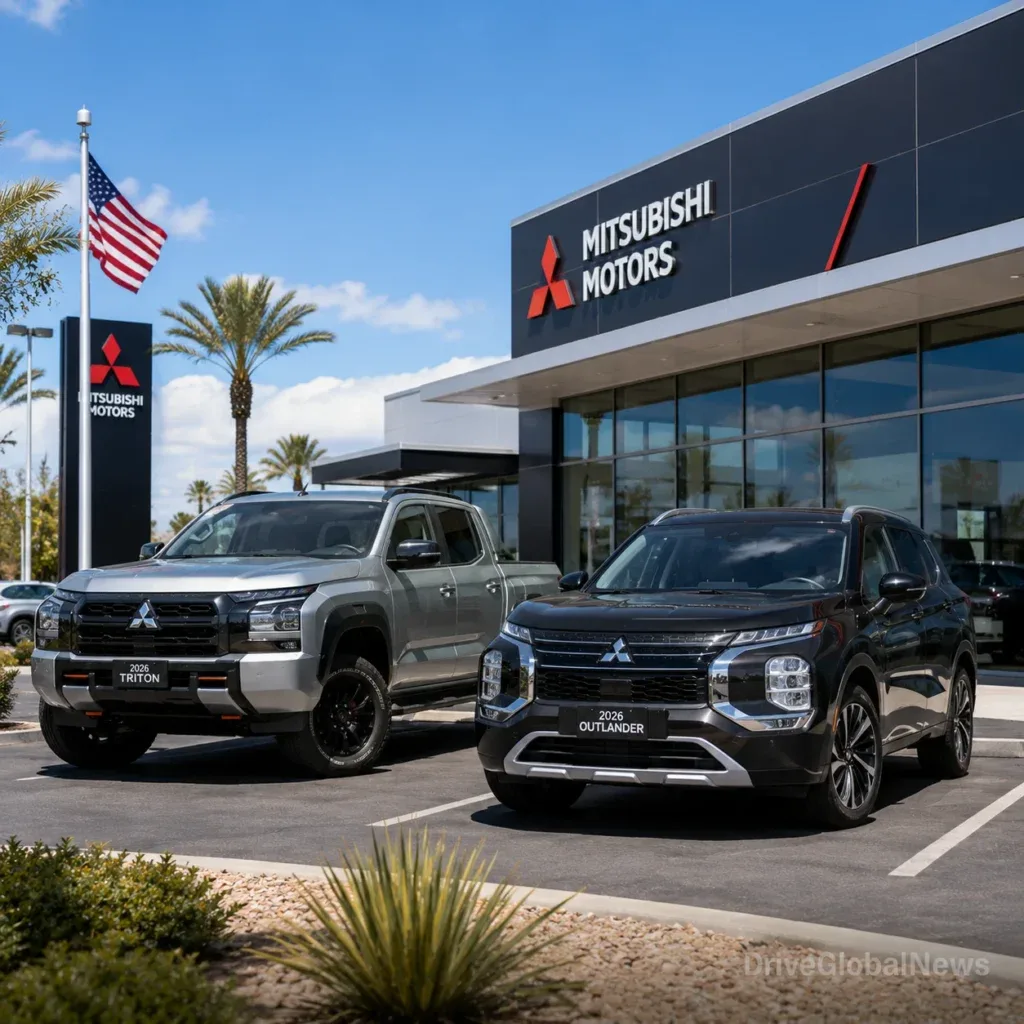
Mitsubishi Motors just posted a result that surprised a lot of people. In the first quarter of its 2026 fiscal year, the company nearly doubled its operating profit even though global vehicle sales fell 8 percent.
Operating profit rose to about ¥10.1 billion (roughly $62–70 million), up roughly 80 percent from the same period a year earlier. Net sales edged higher while retail volume dropped, largely because of disruption in the Middle East. On paper, that combination should have hurt. Instead, Mitsubishi made more money.
What Actually Drove the Jump
The biggest single factor was a weaker yen, which delivered a large positive currency swing. That alone more than offset the lost volume from Middle East markets and some higher logistics costs.
But currency luck is not a strategy. The more interesting part is how Mitsubishi managed the business underneath those numbers.
The company has been deliberately focusing on higher-margin models and markets rather than chasing volume at any cost. The Triton pickup continues to perform well in key regions and holds strong segment positions in several countries. New models launched in the second half of the previous fiscal year, including the Destinator compact SUV, are starting to contribute. Management has also kept a tight lid on costs and adjusted sales activity quickly when demand shifted.
In short, Mitsubishi is no longer trying to be everywhere with everything. It is concentrating on the vehicles and regions that actually make money.

The Bigger Picture for the Brand
Mitsubishi has spent years recovering from earlier crises and shrinking its global footprint. The current approach is pragmatic: protect profitability first, expand carefully second. Full-year forecasts still call for higher operating profit and a sharp rebound in net income, even after factoring in ongoing Middle East risk and higher material and shipping costs.
A new cross-country SUV (linked to the Pajero nameplate) is planned as a key growth model later in the year. The company is also expanding the reach of existing profitable products instead of flooding every market with low-margin volume.
Why This Matters for Buyers
A more stable Mitsubishi is better for customers. When a brand is bleeding money, product development slows, dealer support weakens, and residual values suffer. A company that can grow profit while sales dip is in a stronger position to keep investing in its lineup and service network.
The Triton, Outlander, Xpander family, and newer models like the Destinator are the core of that strategy right now. Expect Mitsubishi to keep emphasizing rugged, practical vehicles that sell in volume in Asia, Australia, Latin America, and select other markets rather than chasing every trend in every region.
The Bottom Line
Nearly doubling operating profit while selling fewer vehicles is not normal. It shows Mitsubishi is finally getting better at making money on the cars it does sell. Currency helped, but the real change is a tighter focus on profitable models, disciplined cost control, and realistic expectations about where the brand can win.
If you are shopping for a practical SUV or pickup, Mitsubishi’s improving financial health is one more reason the brand is worth a closer look. And as always, factor in the full cost of ownership — including insurance. See our guides on car insurance rates by state in 2026 and the 5 car insurance discounts most Americans never claim.
Do you think Mitsubishi can keep this momentum going, or is the recovery still fragile? Share your thoughts in the comments.