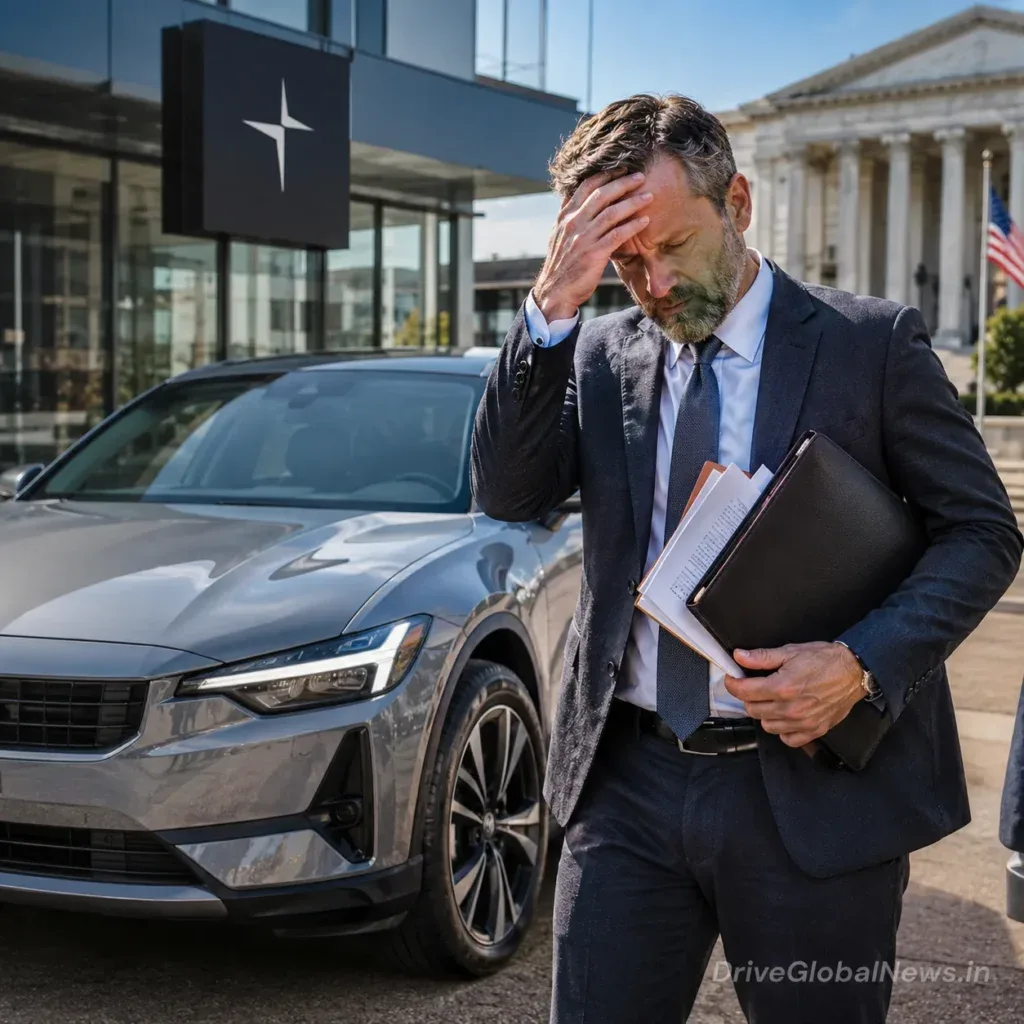
A New Jersey Polestar dealer has sued the company for at least $25 million, turning the brand’s forced exit from the U.S. market into a high-stakes legal fight. Prestige Imports, which operates Polestar stores in East Hanover and Short Hills, filed the case in state court in mid-August 2026. The complaint goes beyond a simple franchise dispute. It claims Polestar planned its American retreat for years and used a federal regulatory ban as convenient cover.
What Triggered the Lawsuit Earlier in 2026 the U.S. Department of Commerce denied Polestar authorization to sell new vehicles under the Connected Vehicle Rule beginning with the 2027 model year.
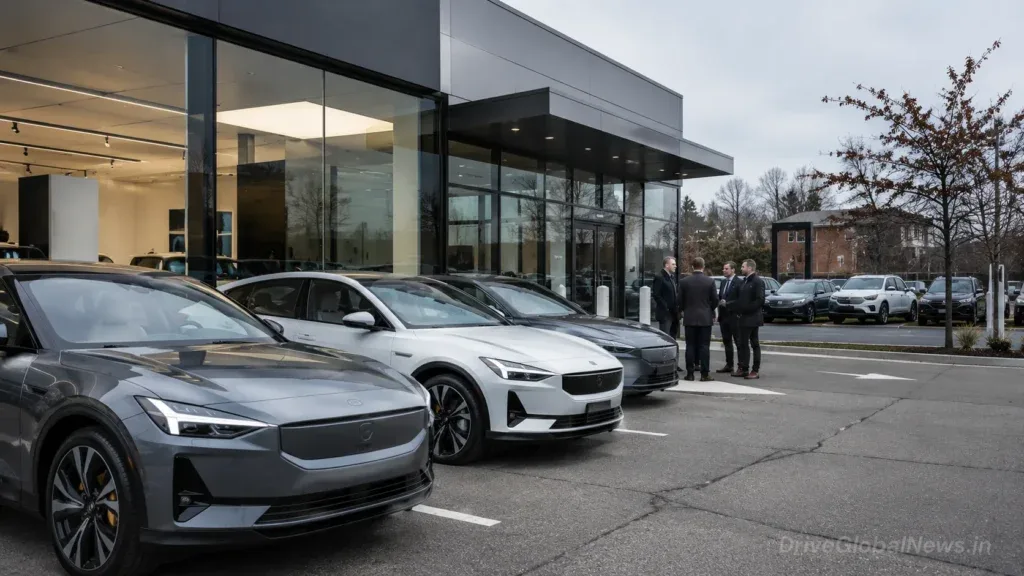
The rule restricts vehicles with certain Chinese-linked connected technology on national-security grounds. Polestar, majority-owned by China’s Geely, was denied. Sister brand Volvo received authorization. Polestar chose not to appeal the decision and announced it would end new-vehicle sales in the United States after remaining 2026 inventory.
Shortly afterward, Prestige received a force majeure letter from Polestar arguing the ban was outside the company’s control. The dealer treated that notice as a constructive termination of its franchise agreement and sued.
What the Dealer Alleges According to the complaint, Polestar:
- Spent roughly two years planning a U.S. exit while still encouraging dealers to invest and expand.
- Failed to pursue regulatory options as aggressively as Volvo.
- Declined to appeal the Commerce Department denial.
- Used the ban to avoid the notice requirements and “good cause” standards that normally apply when a manufacturer terminates a dealer franchise under New Jersey law.
Prestige is seeking at least $25 million in damages, payment reflecting the fair-market value of the franchise, and continued parts and warranty support for a period of years. The dealer argues it met its obligations and was not given the legally required notice or justification for termination.
The Bigger Context Polestar’s U.S. presence was never large. The brand operated a limited network of roughly three dozen retailers and accounted for a small share of global sales.
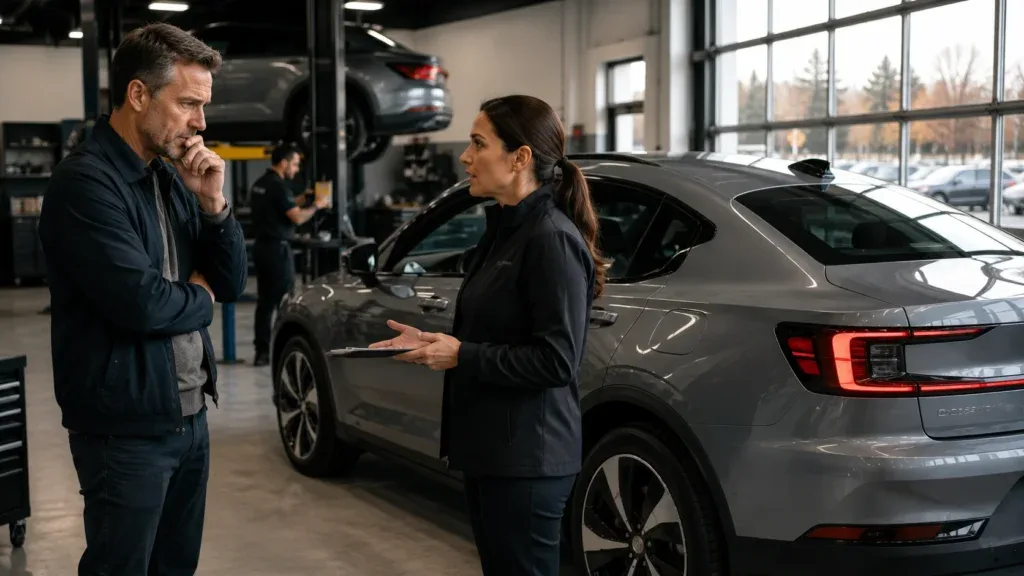
Reports have also circulated that the company was losing substantial amounts on each vehicle sold in the American market. Combined with the regulatory barrier, the decision to walk away rather than fight made financial sense to the company even if it left dealers and owners in a difficult position.
Dealers who invested in facilities, inventory, and staff now face an abrupt end to new-car sales. Existing owners face questions about long-term parts availability, software support, and residual values, although Polestar has said it will continue supporting vehicles already sold.
What Happens Next The lawsuit is in its early stages. A demand of $25 million is not a judgment. Courts will have to decide whether the federal ban truly constitutes an uncontrollable force majeure event or whether Polestar’s actions (or inactions) around the regulatory process and franchise obligations create liability under state dealer-protection laws. Other Polestar retailers will be watching closely. A favorable outcome for Prestige could encourage additional claims.
For Polestar, the case is another complication in an already difficult U.S. chapter. The company is redirecting focus to markets where it faces fewer regulatory barriers. For American customers and remaining dealers, the practical questions — service, parts, and resale — remain more immediate than the courtroom fight.
The Bottom Line A major Polestar dealer is suing for at least $25 million, alleging the company engineered or at least welcomed a federal sales ban as a way to exit the U.S. market while limiting its obligations to retailers. Polestar says the regulatory decision left it no choice. The dealer says the company planned the retreat and used the ban as cover.
The legal outcome will take time. The commercial outcome is already clear: Polestar’s new-vehicle future in the United States is effectively over after current inventory is sold. Dealers who bet on the brand are left absorbing the cost of that abrupt end, and at least one of them is determined to fight for compensation.
Whether the lawsuit succeeds or not, it underscores how quickly a regulatory decision, combined with weak sales economics, can unravel an automaker’s retail network — and how expensive that unraveling can become for the people who signed the franchise agreements.