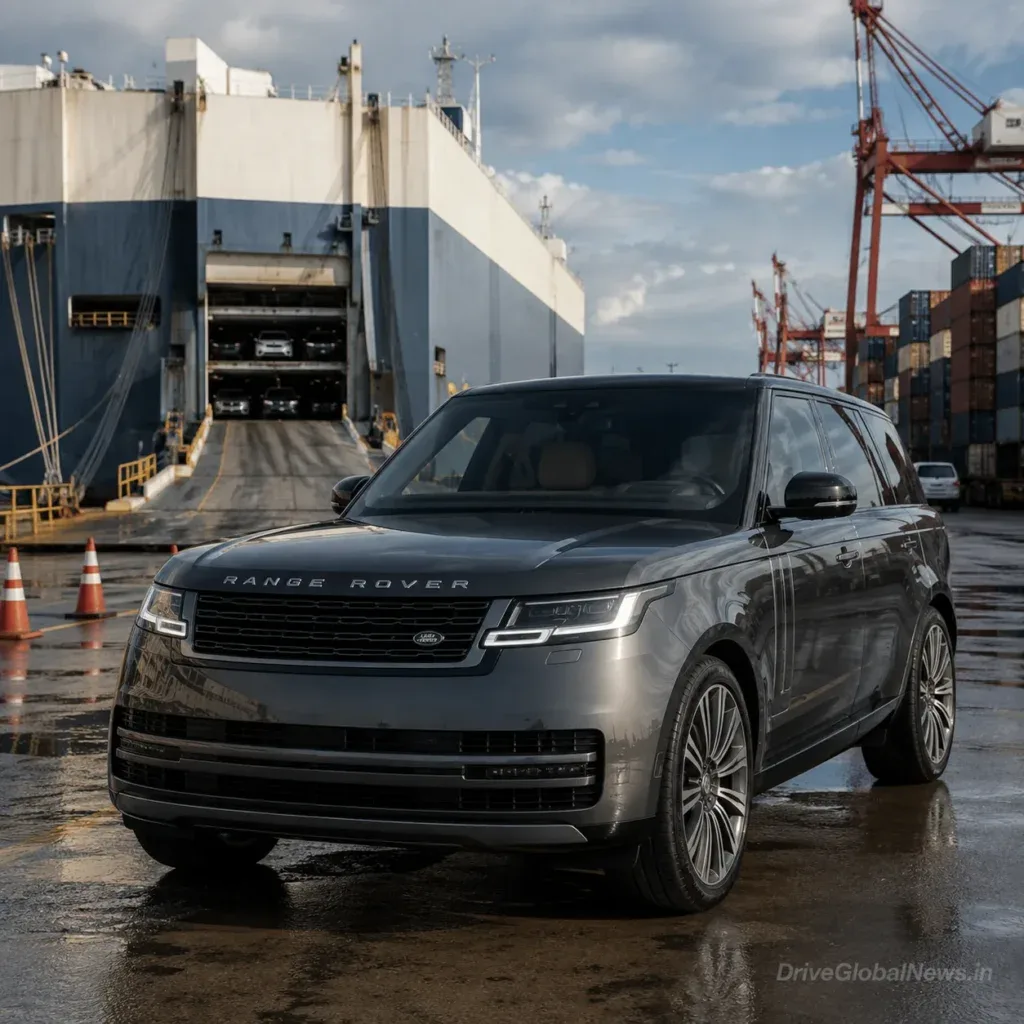
Jaguar Land Rover has spent the past year dealing with a painful reality: every vehicle it sells in the United States arrives from overseas and carries a tariff. The company has paid hundreds of millions of pounds in additional import duties. Profits have been squeezed. Shipments have been paused and restarted. In response, JLR is exploring every practical option to reduce that exposure while still selling high-margin SUVs to American buyers.
If you are shopping for a Range Rover, Range Rover Sport, or Defender, those moves matter. They will shape pricing, availability, powertrain choices, and eventually where some models are built.
The Tariff Problem U.S. duties on imported vehicles have hit JLR hard. UK-built models face a preferential rate in some arrangements (reported around 10 percent under certain trade frameworks), while vehicles shipped from other locations, including the Slovakia-built Defender, have faced higher rates. The cumulative cost has been significant enough that the company has publicly cited tariffs and currency swings as reasons to rethink its American supply strategy.
North America is already one of JLR’s most important markets. The company wants it to become even larger, targeting wealthy buyers with Range Rover and Defender products. That ambition collides with the cost of importing every vehicle.
What JLR Is Doing About It The most concrete step is a collaboration with Stellantis.
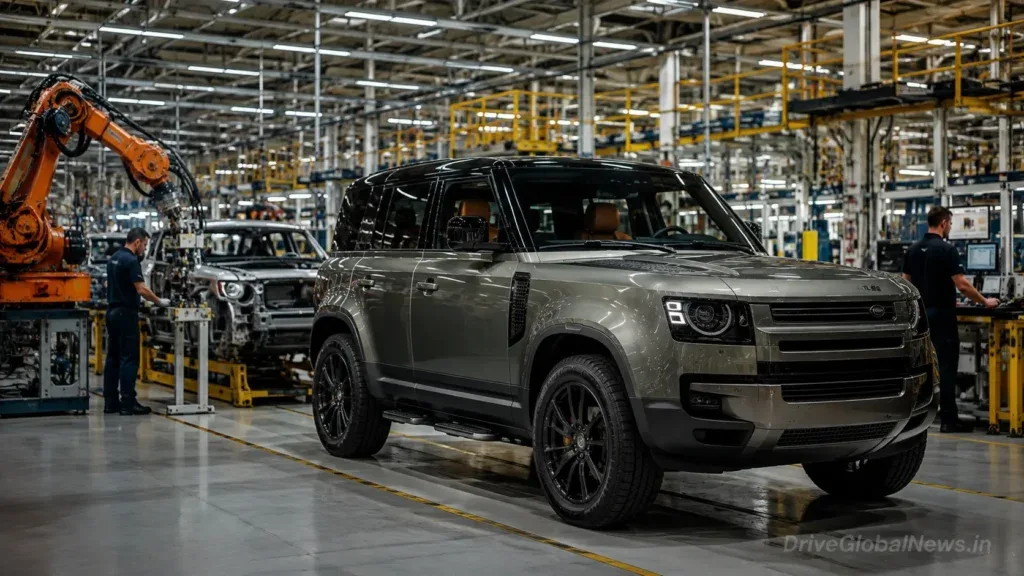
The two companies signed an exploratory agreement and are working toward a more formal manufacturing arrangement. The focus is on new Defender-branded models built at Stellantis plants in the United States. These would not simply be the current Defender relocated; executives have described them as vehicles aimed at new segments for North American customers. Building them in the U.S. would eliminate the import tariff on those specific models and reduce currency risk.
Existing Range Rover and Range Rover Sport models continue to be imported for now. Localizing the full current lineup at current volumes has been described as commercially difficult. The Stellantis partnership is therefore a targeted way to put some production behind the tariff wall without relocating everything.
JLR is also keeping internal-combustion and hybrid powertrains available longer than some earlier electrification timelines suggested, particularly for the U.S. market. American luxury SUV buyers have shown limited enthusiasm for pure electric alternatives in this segment. The company has said it will continue offering petrol and hybrid options as long as demand and regulations allow, while still preparing electric Range Rover variants.
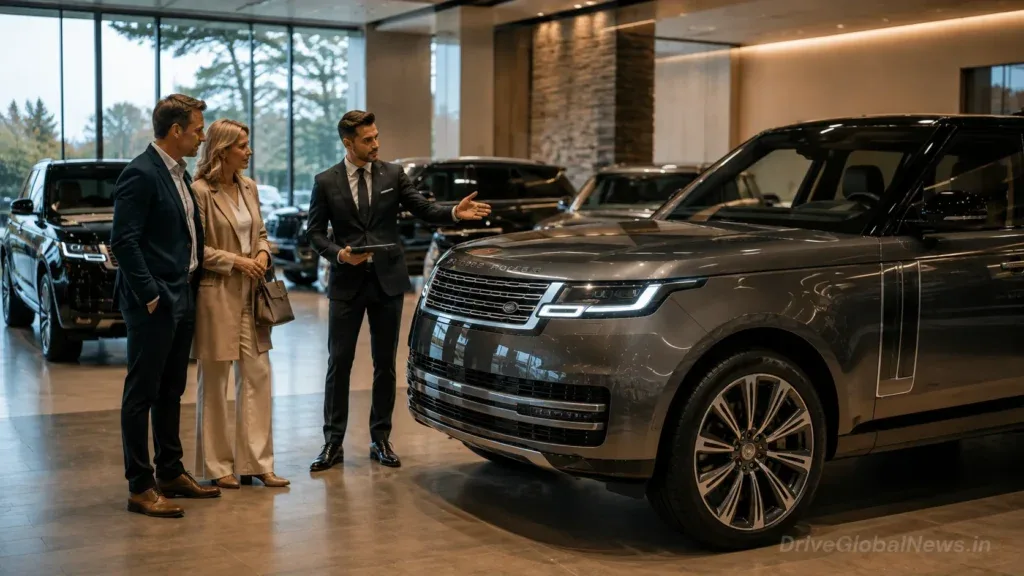
What This Means for Range Rover Buyers Right Now In the short term, little changes for someone ordering a current Range Rover or Range Rover Sport. These vehicles remain imported. Pricing already reflects the tariff environment and earlier price adjustments. Availability can still be affected by production schedules, shipping, and any temporary pauses the company has used to manage costs.
Buyers should expect:
- Continued premium pricing that incorporates import costs
- Strong availability of gas and hybrid powertrains
- Electric Range Rover and Range Rover Sport variants arriving on their planned timeline, but not replacing combustion options immediately
- Possible longer wait times or allocation pressure on popular configurations if overall import volumes are managed tightly
The Stellantis-built Defender products, if they move forward on the expected timeline, are still years from showrooms. They will sit alongside the imported lineup rather than replace the current Range Rover family.
Longer-Term Implications If the U.S. manufacturing plan proceeds, JLR gains a way to grow volume in America without paying the same tariff burden on every vehicle. That could eventually support more competitive pricing or higher margins on the models built here. It also signals that the company is serious about treating the U.S. as a priority market rather than a high-cost export destination.
For traditional Range Rover buyers, the core product remains a British-built luxury SUV for the foreseeable future. The brand is not abandoning that identity. What is changing is the willingness to create additional, tariff-efficient products under the broader Land Rover umbrella and to keep the powertrains American customers actually want.
The Bottom Line JLR is responding to U.S. tariffs with a multi-part strategy: exploring local production of new Defender models with Stellantis, absorbing or passing on duties on imported Range Rovers, and keeping gas and hybrid engines available longer for the American market. The company has already paid a heavy price in duties and lower profits. These moves are designed to protect future earnings while still serving the high-end buyers who drive Range Rover sales.
If you want a Range Rover today, you are still buying an imported vehicle whose price reflects the current trade environment. Electric versions are coming, but combustion and hybrid options are not disappearing soon. New U.S.-built Defender products may eventually expand the brand’s footprint and ease some cost pressure, but they will not replace the flagship Range Rover lineup overnight.
Shop carefully, compare configurations, and factor in the reality that tariffs are now a permanent part of the cost structure for imported luxury SUVs. JLR is adapting. Buyers who understand the strategy will be better positioned to decide whether to buy now or wait for the next round of product and production changes.
Are you looking at a Range Rover or Defender this year, or waiting to see how the U.S. production plans develop?