
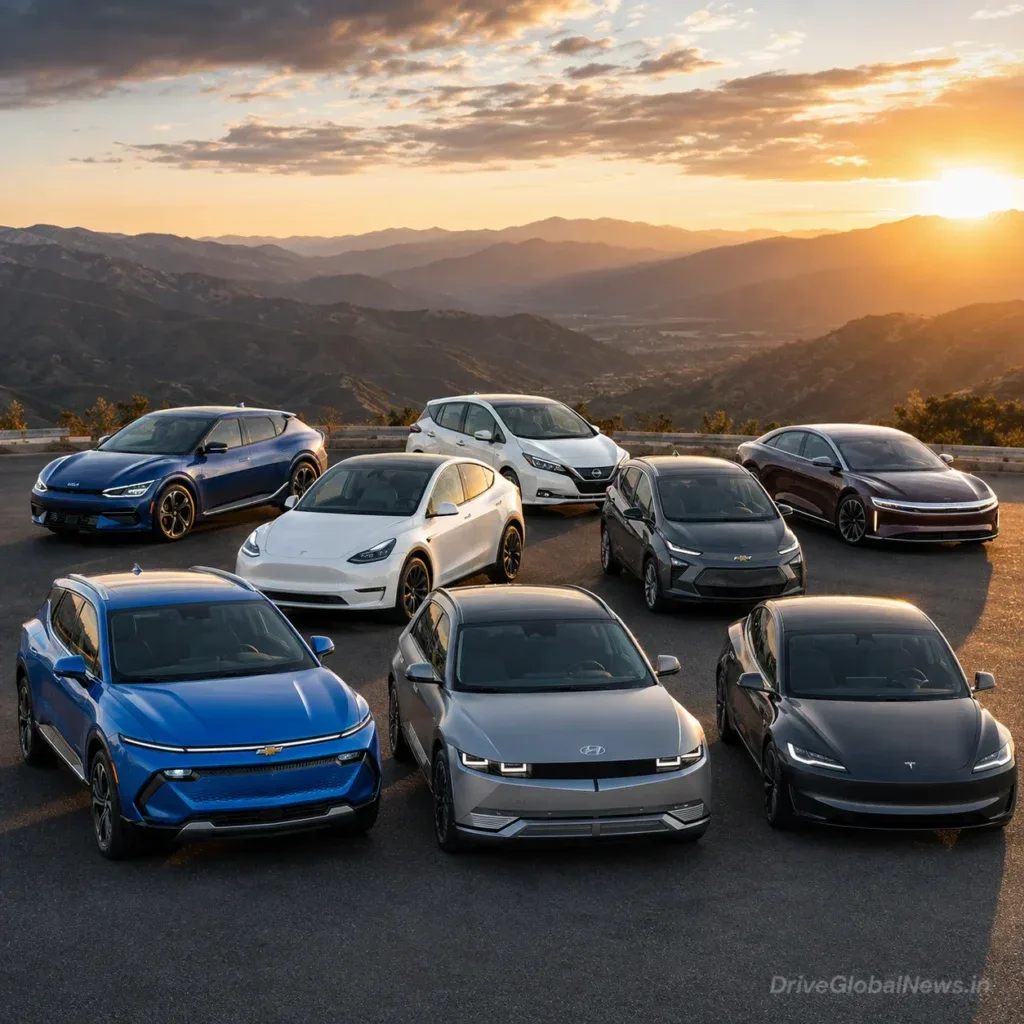
Buying an electric vehicle in August 2026 is less about novelty and more about matching real needs: usable range, practical charging speed, and a price that makes sense after incentives. Manufacturer range claims still vary from real-world results, and charging experience differs dramatically between 400-volt and 800-volt systems. The list below focuses on eight models that deliver a strong combination of those three factors for most American buyers.
1. Chevrolet Equinox EV The Equinox EV remains one of the clearest value plays.
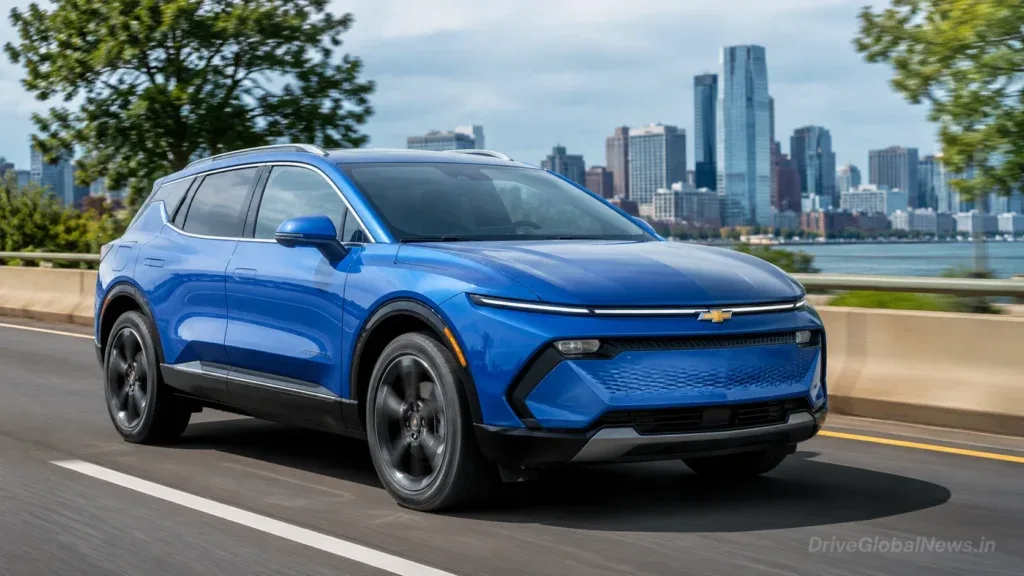
Starting prices in the mid-$30,000s deliver EPA range figures around 319 miles on efficient front-wheel-drive trims — among the highest in its price class. Real-world highway numbers typically land a bit lower, but the combination of range, interior space, and available Super Cruise still stands out. DC fast-charging peaks around 150 kW, which is adequate rather than class-leading. For shoppers who want maximum miles per dollar without stepping up to a premium brand, this is hard to beat.
2. Hyundai Ioniq 5 The Ioniq 5 continues to excel at the things that matter on road trips. Its 800-volt architecture supports peak charging rates near 350 kW, allowing substantial range recovery in roughly 15–20 minutes under ideal conditions.
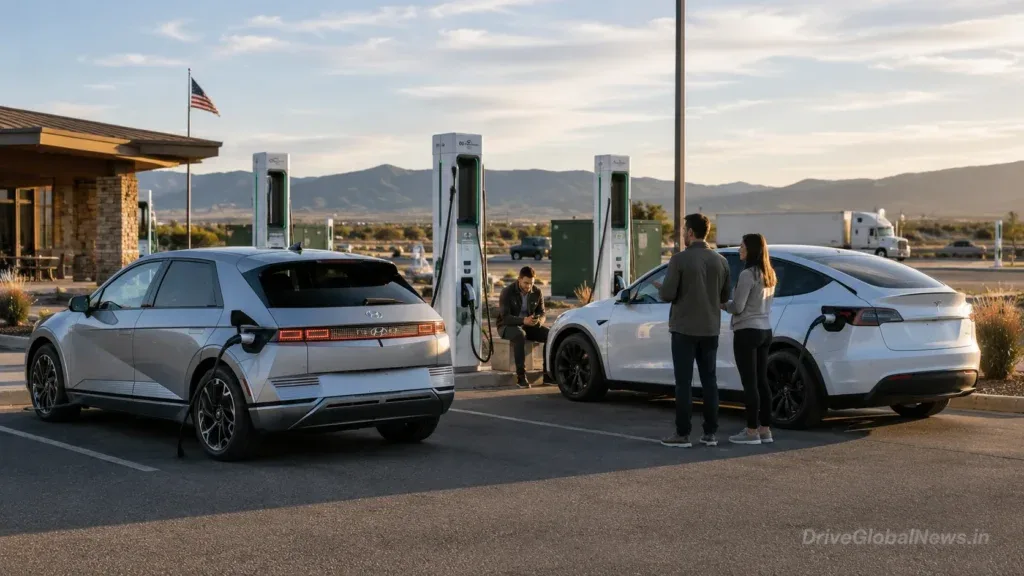
EPA range sits in the low-to-mid 300s depending on configuration, with competitive real-world efficiency. Recent pricing adjustments have improved its value proposition. The distinctive design, solid build, and fast-charging capability keep it near the top of most practical rankings.
3. Tesla Model 3 Efficiency, software, and Supercharger access still give the Model 3 a clear advantage for many drivers. Long-range versions post EPA figures well over 350 miles in some configurations, and real-world highway results remain competitive. Charging on the Supercharger network is seamless and widely available. Starting prices have become more approachable, and the car’s overall package of range, efficiency, and infrastructure access remains one of the strongest in the segment.
4. Tesla Model Y The Model Y adds practicality and cargo space to the same core strengths as the Model 3. Range figures in the 320–357-mile EPA range (depending on variant) translate into usable real-world performance, and Supercharger access is a major ownership advantage. The refreshed interior and ride improvements have addressed earlier complaints. It remains one of the most complete family-oriented EVs available, especially for drivers who take frequent longer trips.
5. Chevrolet Bolt EV At the lowest end of the price spectrum, the Bolt EV delivers impressive range for the money — EPA figures around 262 miles from a starting price under $30,000 in some configurations. Real-world efficiency is strong in mixed driving. Charging speed is modest compared with newer 800-volt models, but for urban and suburban use with home charging, the value is excellent. It remains one of the most accessible ways to switch to an EV without stretching the budget.
6. Kia EV6 Closely related to the Ioniq 5, the EV6 brings similar 800-volt fast-charging performance and competitive range. The driving experience is more engaging for many reviewers, and the interior packaging works well for daily use. Pricing sits in a similar band to the Ioniq 5. If you prioritize charging speed and a slightly sportier feel while still wanting solid real-world range, the EV6 belongs on the shortlist.
7. Nissan Leaf The latest Leaf has closed much of the gap that once separated it from newer competitors. Higher-range versions now post EPA numbers in the high 200s to low 300s, and pricing remains aggressive. It will not match the fastest-charging models on a long road trip, but for buyers focused on commute efficiency, lower purchase price, and straightforward ownership, it delivers strong value. Real-world range is more than adequate for most daily needs.
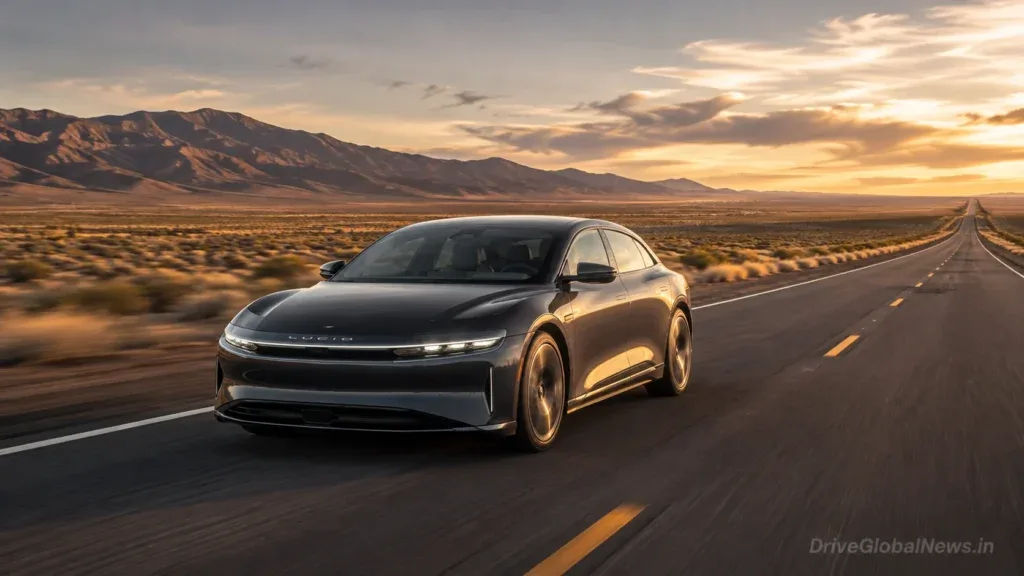
8. Lucid Air (for range-focused buyers) If maximum range is the priority and budget allows, the Lucid Air still leads the pack with EPA figures exceeding 500 miles on top versions. Real-world results stay impressively high. Charging performance is strong, and the cabin is a standout. It is not a value play in the same sense as the others on this list, but for buyers who want the longest single-charge capability currently available, it remains the benchmark.
How to Choose in August 2026 Prioritize home charging first — most EV miles are added overnight. For road trips, favor 800-volt vehicles (Ioniq 5, EV6, and some others) or those with the best network access (Tesla). Real-world range is almost always lower than the EPA number on sustained highway speeds, so build in a buffer. Value is best measured by the combination of purchase price, expected range, charging convenience, and residual strength rather than any single specification.
The Bottom Line The strongest EVs available in August 2026 balance usable real-world range, practical charging speed, and a price that does not require stretching. The Chevrolet Equinox EV and Bolt EV lead on pure value. The Hyundai Ioniq 5 and Kia EV6 excel at fast charging. Tesla’s Model 3 and Model Y combine efficiency, range, and network access better than almost anything else. The Nissan Leaf offers an accessible entry point, and the Lucid Air remains the range leader for those who can afford it.
Test-drive the finalists with your typical mix of city and highway driving, and confirm charging access along your regular routes. The right EV is the one that fits your actual miles, not the one with the flashiest claim on the window sticker.
Which of these matters most for your next vehicle — maximum range, fastest charging, or lowest overall cost.