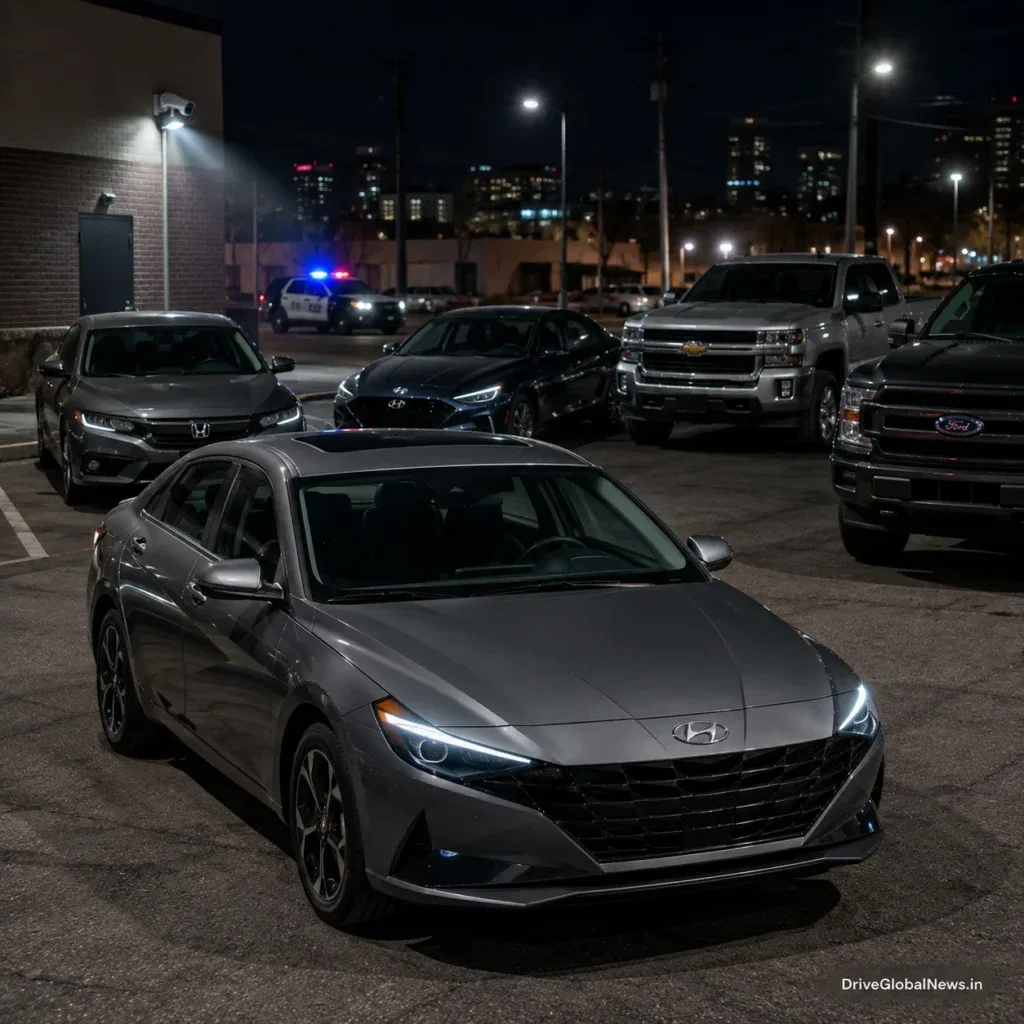
Car theft in America finally broke the other way.
The National Insurance Crime Bureau counted 659,880 vehicles stolen in 2025 — a 23% drop from 2024 and the lowest total in decades. A year earlier, thefts had already fallen 17%. The pandemic spike is over.
A car is still stolen about every 48 seconds. And the models at the top of the list have not changed much. That is why insurance has not fully relaxed.
The 2026 List — Built on 2025 NICB Counts
These are the vehicles stolen most often nationwide:
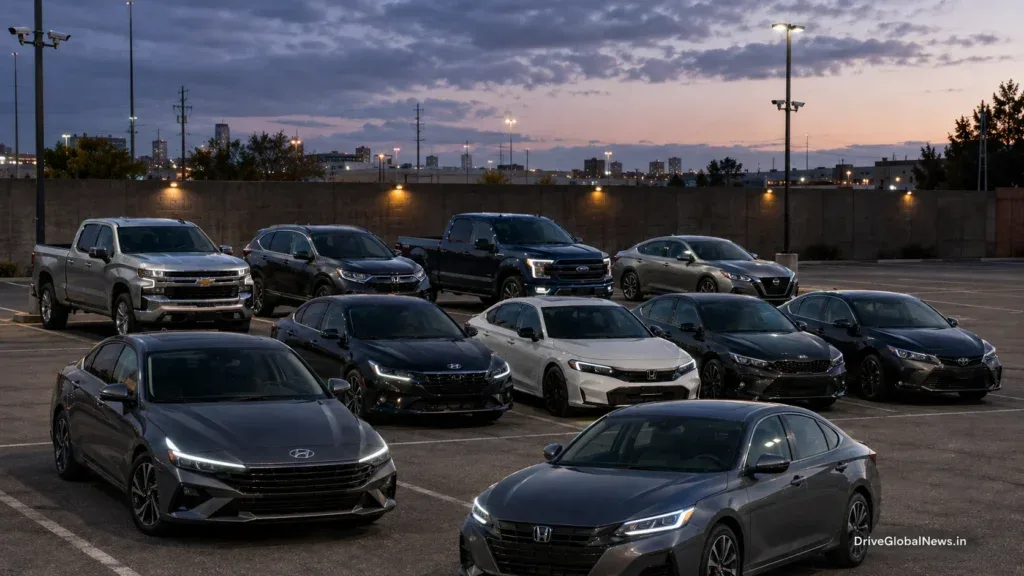
- Hyundai Elantra — 21,732
- Honda Accord — 17,797
- Hyundai Sonata — 17,687
- Chevrolet Silverado 1500 — 16,764
- Honda Civic — 12,725
- Kia Optima — 11,521
- Ford F-150 — 10,102
- Toyota Camry — 9,833
- Honda CR-V — 9,809
- Nissan Altima — 8,445
That is not a luxury-car list. It is a parts-and-volume list.
Older Hyundai and Kia models without factory immobilizers still drive a lot of the Korean-brand numbers. Honda Accords and Civics get taken because there are millions of them and the parts sell. Silverados and F-150s get taken because a pickup is a rolling parts catalog.
Hyundai and Kia together accounted for 14% of all U.S. vehicle thefts in 2025, down from 21% in 2023. Software updates and steering-wheel locks worked. They did not erase the ranking.
California still leads by volume: 136,988 thefts. Texas is second at 75,269.
What This Does to Your Insurance Bill
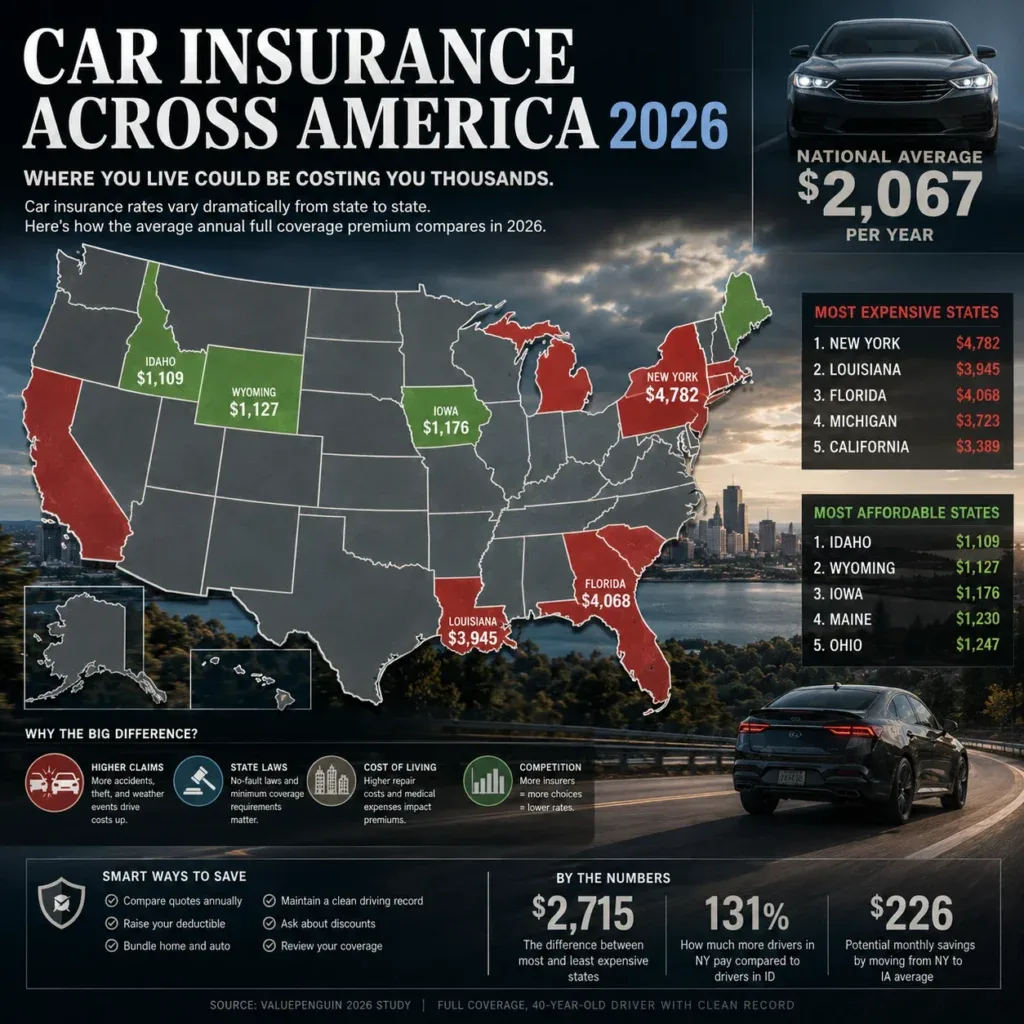
Comprehensive coverage is the line that pays if the car is stolen. Insurers price that risk by model, ZIP code, and claim history.
Quote aggregators using 2025–2026 data put the national full-coverage average around $2,200 a year. Drivers of the five most stolen models pay about 14% more — roughly $2,510.
The worst of the group:
- Hyundai Elantra: about $2,709 a year — 23% above average
- Toyota Camry: about 24% above average in some quote sets
- Hyundai Sonata: about $2,663 — 21% above average
- Honda Accord: about $2,418 — 10% above average
That is not a parking ticket. On an Elantra, it is roughly $500 extra per year compared with a typical car. Over a five-year loan, the theft premium can cost more than a decent set of tires and an aftermarket immobilizer combined.
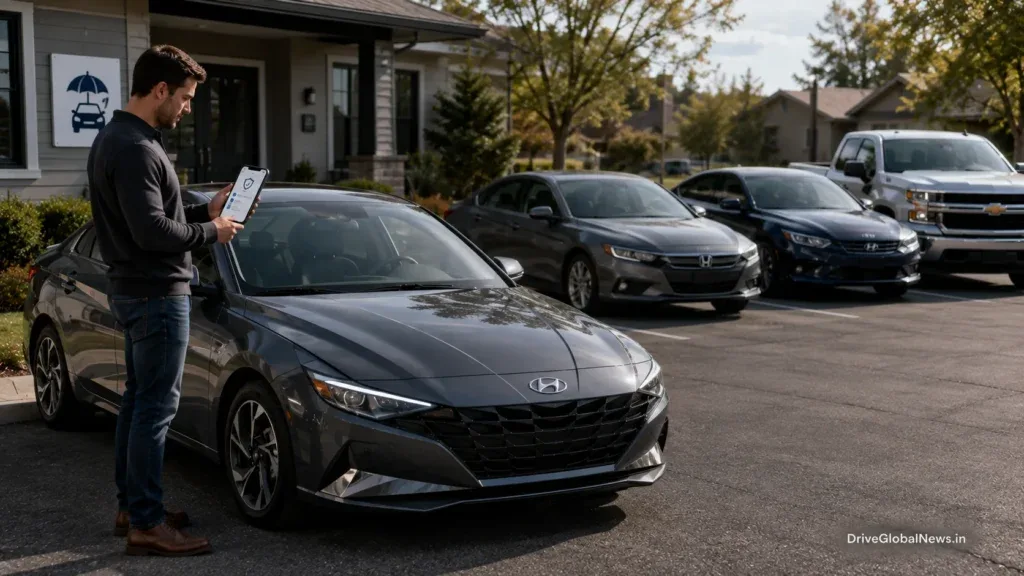
Pickup owners sit closer to average on frequency, but claim severity is high. A stolen Silverado is an expensive claim. Insurers notice both.
Some carriers still restrict new policies on certain 2011–2021 Hyundai and Kia models in high-theft ZIP codes. Existing policies usually stay. Shopping a new quote on an older Elantra or Optima can still be a surprise.
Raw Counts vs. Real Risk
NICB ranks total thefts. That favors cars that sold in huge numbers.
The Highway Loss Data Institute ranks theft claims per insured vehicle. On that measure, a Camaro ZL1 looks far riskier than an Elantra, and some Teslas look unusually hard to steal. Both lists are true. They answer different questions.
If you own a 2015 Elantra in Los Angeles, the NICB list is the one that hits your mailbox. If you are buying a new 2026 Elantra with an immobilizer, the old viral “Kia Challenge” story is mostly history — and your rate should look more normal than a 2018’s.
What Actually Lowers the Bill
NICB’s advice is unglamorous because it works. Lock it. Take the key. Park in light. Use a visible steering-wheel lock on older Hyundais and Kias that never got the software update. Confirm the free anti-theft upgrade if your VIN qualifies.
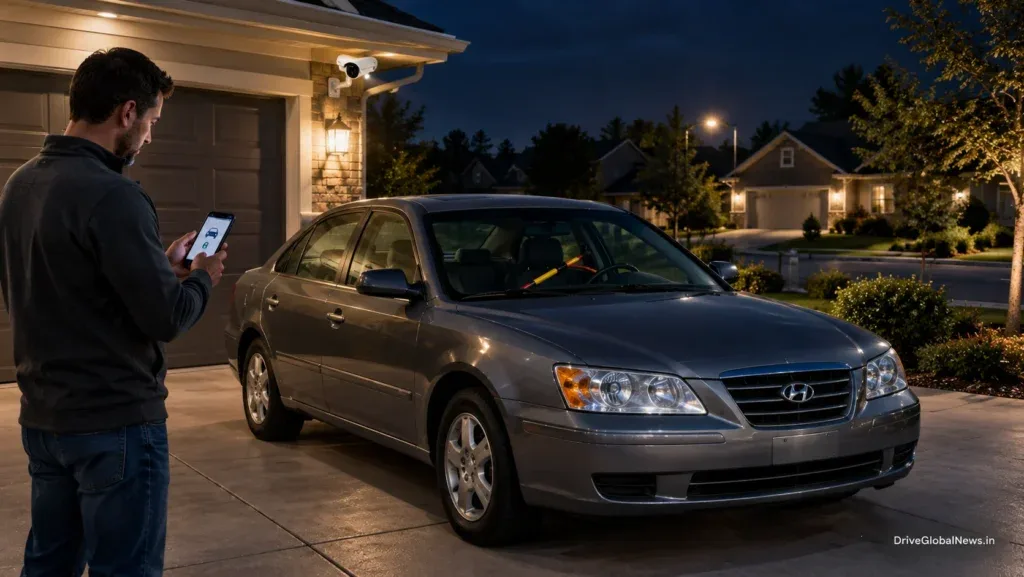
For insurance: raise the comprehensive deductible if you can stand the risk, ask about a tracking-device discount, and requote every time you move ZIP codes. Theft is a local price, not a national one.
Thefts are down. The ranking is still a Hyundai sedan, a Honda sedan, and a Chevy truck. If you drive one of those, the car may be cheaper to buy than the neighbors think — and more expensive to keep than the window sticker ever said.
Is your car on this list — and have you checked what comprehensive actually costs this year?