Uber is not waiting for Tesla’s robotaxi story to finish.
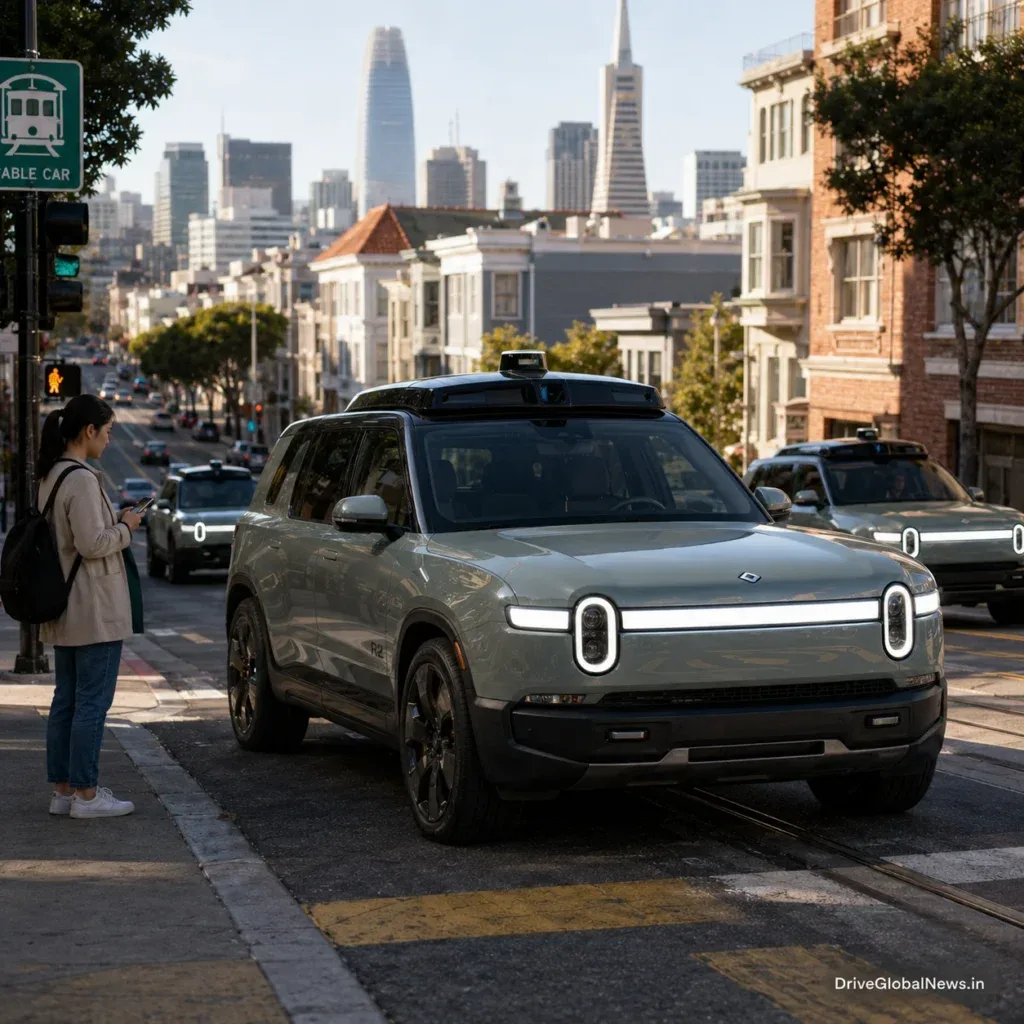
In March, Uber and Rivian announced a deal that could put 50,000 driverless R2 SUVs on the Uber app. Uber will invest up to $1.25 billion in Rivian through 2031 if autonomy milestones are hit. The first $300 million was committed at signing.
The first 10,000 fully autonomous R2s are slated for San Francisco and Miami in 2028. If the tech works, the companies want 25 cities across the U.S., Canada, and Europe by the end of 2031. Uber or its fleet partners can negotiate another 40,000 vehicles starting in 2030.
Those robotaxis run only on Uber. Not Waymo’s app. Not Tesla’s. Uber’s.
What the R2 Actually Is
The R2 is Rivian’s mass-market SUV — smaller and cheaper than the R1S. Consumer deliveries started in June 2026. Launch pricing sat in the high $50,000s, with Rivian still pointing toward a roughly $45,000 version later.
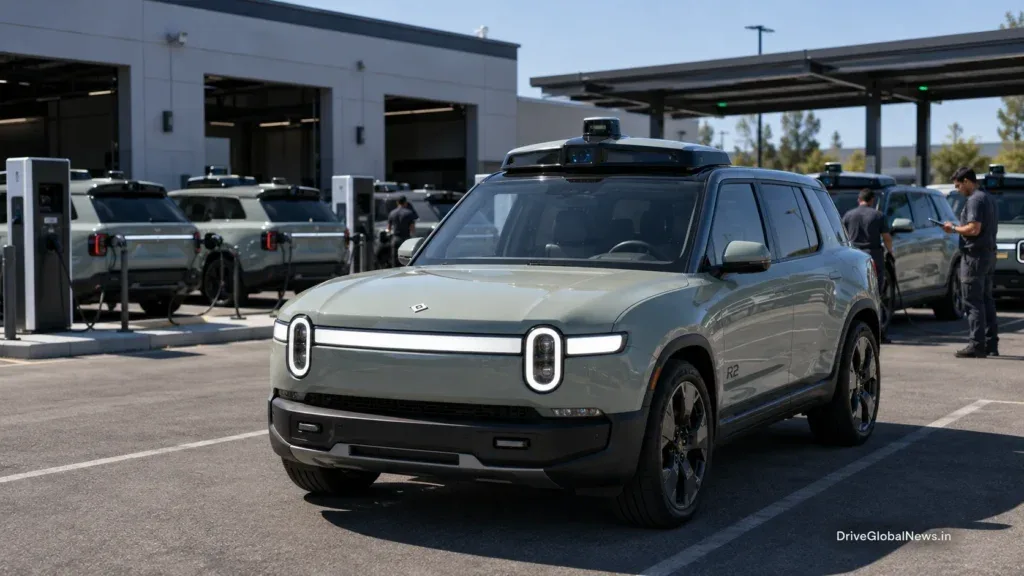
The robotaxi R2 will not be that driveway car with a software toggle. Fleet vehicles get extra cameras, radar, likely lidar, more compute, and redundant steering and braking so the system can fail without a human grabbing the wheel.
Rivian’s own timeline is staged: stronger assisted driving on late-2026 consumer R2s, highway eyes-off around 2027, unsupervised robotaxi service aimed at 2028. Uber’s CFO took a demo ride this summer and publicly praised the progress. That is marketing. It is also a signal that the check-writers are sitting in the car.
What Changes on Your Phone in 2028
The driver is the largest variable cost in a typical Uber fare. Take that person out, and the company can cut the split, run the car more hours, and still keep more of the trip.
That does not automatically mean a cheaper ride tomorrow.
Robotaxis have to be bought, insured, cleaned, charged, and repaired. A 10,000-vehicle fleet is a factory order, not an app update. Early unsupervised service will be geo-fenced. Bad weather, construction, and crowded pickup zones are still the hard parts. Uber is also backing Lucid-Nuro robotaxis and still works with Waymo in some cities. The Rivian deal is one supply line, not the whole future of the app.
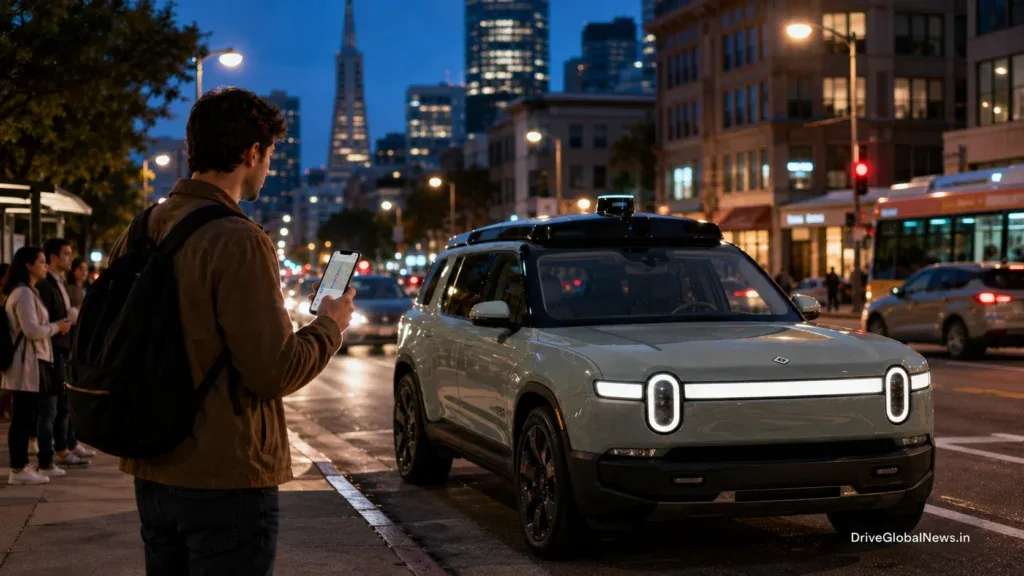
The honest near-term picture: in San Francisco and Miami, some UberX trips in 2028 may arrive without a person in the front seat. Those trips will be priced to fill the cars, not to make a press release look generous. Once the fleet is working and utilization is high, the pressure on human-driver fares in those same cities gets real.
What It Means for Drivers and for You
If you drive Uber in a launch city, this is not 2026 news. It is 2028 inventory. Human drivers do not vanish on day one. They get competed with on the trips a robotaxi can do cheaply and repeatedly — airport runs, downtown loops, late-night grid.
If you take Uber, the first change you will notice is the vehicle, not the price. An R2 is a midsize electric SUV. No small talk. No help with a suitcase unless Uber builds that into the service model. No driver to argue with about the route.
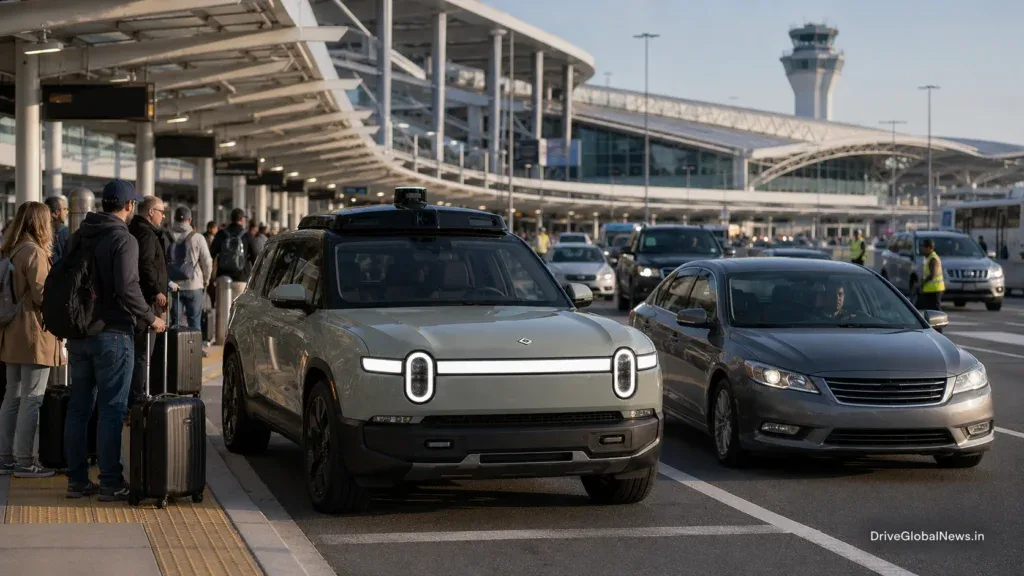
The bill is the slower story. Autonomous miles should cost less to operate than a contracted human plus a personally owned Civic. Uber did not spend $1.25 billion to keep your Saturday-night surge identical. It spent it to own more of the trip after the driver is gone.
Whether that savings shows up as a $4 cheaper airport ride or as a fatter Uber margin is a 2029 argument. The 2026 fact is simpler: the cars are ordered, the cities are named, and the app that already has your credit card intends to keep the ride.
Would you take an unsupervised R2 from SFO in 2028 if it was $6 cheaper — or would you still tap the option with a person in front?