
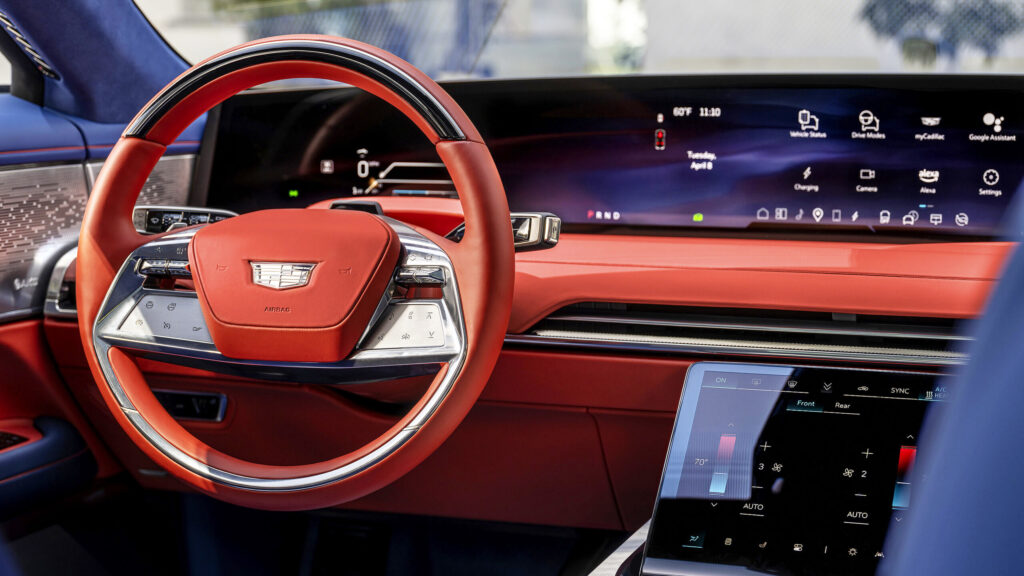
The buzz around AI-powered automotive assistants is deafening right now. Every automaker promises a digital co-pilot that learns your habits, anticipates your needs, and makes ownership effortless. Sounds like a dream, right? Until you realize this “helpful” voice in your dashboard might be quietly steering you toward a $900 brake job you don’t need, all while monetizing your driving data. Let’s be honest: the automotive industry sees AI not just as a feature, but as a recurring revenue stream. The real question isn’t whether this tech is cool—it’s whether it will cost you more money and privacy than it’s worth.
AI automotive assistant: The Fine Print on Your New Digital Co-Pilot
Here’s the uncomfortable truth about these advanced assistants. The hardware and software integration is genuinely impressive at first. Voice recognition is sharper, navigation feels predictive, and the natural language processing understands context better than any system before it. But the friction appears when you look at the business model. Automakers are positioning these assistants as gatekeepers to your vehicle’s health and your wallet. The system can detect a minor sensor anomaly and immediately suggest a dealership appointment, complete with a pre-filled diagnostic fee.
**The average consumer could see ownership costs rise by 15-20% through AI-driven upselling.**
The system doesn’t just answer questions; it makes recommendations. And those recommendations often favor genuine OEM parts and dealership service centers over independent mechanics. The “convenience” of having your car book its own service appointment is really just a frictionless path to higher margins for the manufacturer. You’re not just buying a car anymore; you’re subscribing to a service ecosystem that has a vested interest in your vehicle needing more attention.
Privacy: The Price of Convenience You Didn’t Agree To
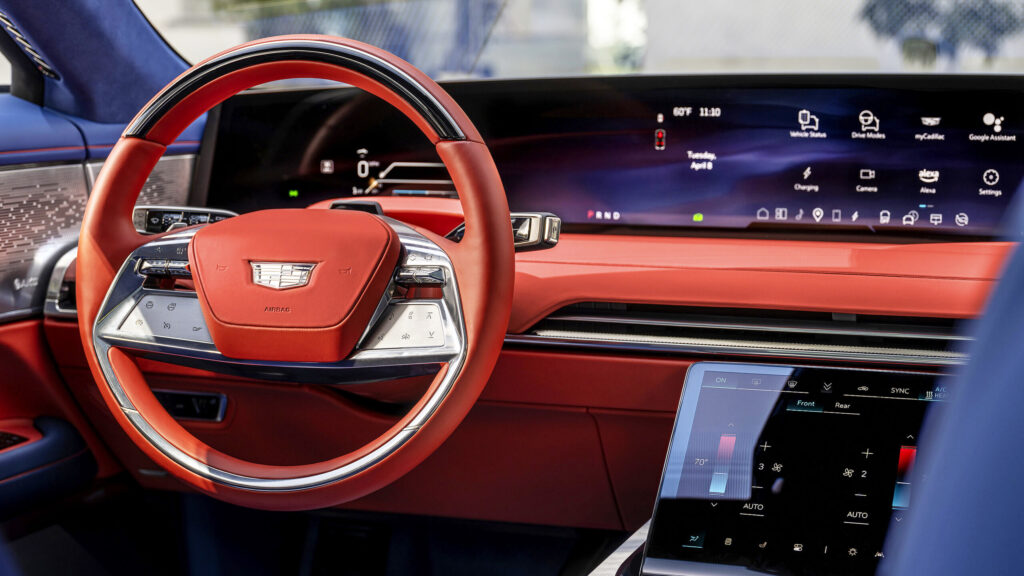
Every interaction with your AI assistant is data. Where you drive, how aggressively you accelerate, what time you leave for work, even your voice patterns. This information is a goldmine. Insurers want it to adjust your premiums. Marketers want it to target you with location-based ads. And the automaker wants to sell it to both. The privacy policies buried in your infotainment system’s terms of service are lengthy, complex, and designed to give the manufacturer maximum latitude with your personal information.
**Your car now knows more about your daily routines than your smartphone does.**
And then there’s the dependency issue. These systems require constant connectivity and over-the-air updates. When the cellular network drops in a rural area, or the automaker’s cloud service has an outage, features you rely on can degrade or disappear entirely. You’re not just buying hardware anymore; you’re renting software that can change its behavior overnight. A feature that worked flawlessly on Tuesday might behave differently after a Wednesday update, and you have zero say in the matter.
The Subscription Trap and the $30 Monthly Question
Let’s talk dollars and cents. The hardware for advanced AI is expensive, and automakers are eager to amortize that cost through subscription fees. Premium features—like advanced natural language processing, predictive maintenance alerts, or cloud-based route optimization—are increasingly locked behind paywalls. Expect to pay $10 to $30 per month for the “full” experience. Over a five-year ownership period, that’s an additional $600 to $1,800 on top of your purchase price. Do the math. That’s not a trivial expense.
**Premium AI features could add up to $1,800 to your total cost of ownership over five years.**
This creates a frustrating dynamic. You’ve already paid a premium for the vehicle and its technology, yet the most capable version of the assistant remains tantalizingly out of reach unless you keep paying. It’s like buying a high-end laptop and discovering the keyboard only works if you pay a monthly fee. The base assistant will handle basic commands, but the intelligence that was touted in the marketing campaign—the proactive suggestions, the deep learning—remains behind the paywall. This isn’t innovation; it’s a toll booth on the information superhighway.
The Verdict: Who Should Sign and Who Should Walk

This technology is not inherently evil, but it is inherently commercial. For the tech enthusiast who loves having the latest gadgets and doesn’t mind the data exchange, the convenience can be genuinely appealing. If you lease your vehicle and don’t care about long-term ownership costs, the subscription model might not bother you. However, for the savvy buyer protecting their hard-earned money, caution is warranted. If you value your privacy, prefer to control your own maintenance schedule, and hate the idea of recurring fees, this system will likely frustrate you. Walk over to a competitor offering a simpler, more transparent infotainment system. Or better yet, buy a car that supports wireless Apple CarPlay or Android Auto. Those systems use your phone’s processing power, don’t track your driving habits for the automaker, and cost nothing extra. The AI assistant is a powerful tool, but it’s a tool designed to serve the manufacturer’s bottom line first. Your wallet and your privacy deserve better.