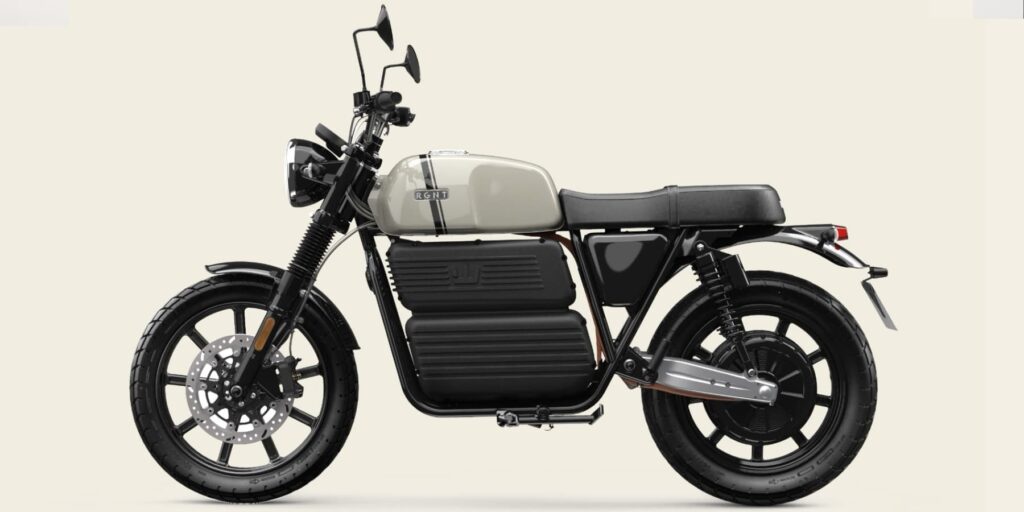
RGNT Scrambler: RGNT’s new Scrambler carries a likely $2,000 price premium over its standard retro electric model, yet the company still hasn’t disclosed a single range figure or battery capacity number for a motorcycle that could hit dealers by late 2024. That silence is a red flag for anyone considering a $15,000 electric purchase, especially when the Swedish brand is leaning hard into off-road styling that the hardware may not actually support. So, does this scrambler justify the extra cash on your loan, or are you paying purely for knobby tires and a lifted fender? Let’s dig into what RGNT is actually selling here versus what the marketing photos imply.
RGNT Scrambler: The Scrambler Aesthetic vs. The Engineering Reality
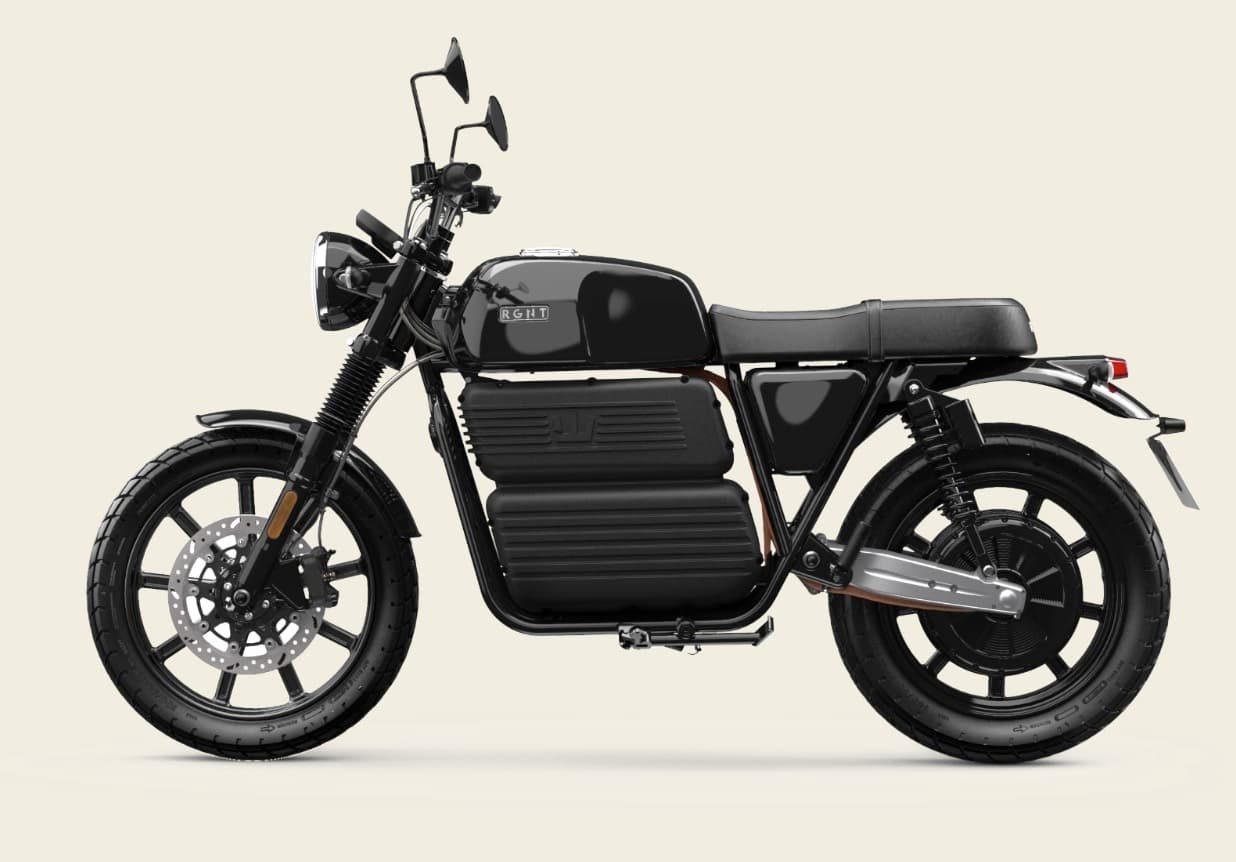
RGNT has built its reputation on retro-futuristic electric motorcycles that look like they rolled out of a 1970s café, and the Scrambler variant doubles down on that visual identity with high-mounted exhausts, wire-spoke wheels, and a chunky rear rack. The top speed sits at 85 mph, which is adequate for highway sprints but nowhere near the performance envelope of gas-powered scramblers like the Triumph Scrambler 1200 XE that can push past 120 mph with ease. That speed difference matters if you’re planning any two-lane highway work, because you’ll be the slowest vehicle in the right lane while semis blow past you.
The real problem emerges when you look at the suspension and ground clearance, which RGNT has not upgraded with any meaningful travel numbers or reinforced components for actual trail abuse. A scrambler without proper off-road suspension is just a standard roadster with a costume on, and that’s precisely the trap this bike sets for buyers who see the word “scrambler” and assume dirt capability. You’re getting a slightly raised ride height and different tires, but the underlying chassis remains tuned for pavement, meaning any serious gravel road will have you bottoming out and fighting for traction within minutes.
What You’re Actually Paying For: The $2,000 Premium Question
RGNT’s standard models already command a hefty price tag around $13,000, and the scrambler treatment typically adds $2,000 or more for the cosmetic upgrades and unique body panels. That puts you at roughly $15,000 before taxes and dealer fees, which is a staggering sum when you can buy a brand-new gas-powered scrambler like the Royal Enfield Himalayan for under $6,000 and have $9,000 left for fuel and maintenance over the next decade. The counter-argument is that electric motorcycles slash your operating costs to pennies per mile, but that only works if you’re actually riding enough miles to offset that massive upfront gap.
Consider your monthly payment on a $15,000 loan at 7% interest over 60 months, which lands around $297 per month before insurance and registration costs. A comparable gas scrambler at $8,000 would run you roughly $158 per month, leaving a $139 monthly difference that buys a lot of gasoline at current prices. The break-even point for the electric RGNT only arrives after several years of heavy commuting, and that’s assuming battery degradation doesn’t force an early replacement that could cost $5,000 or more after 8-10 years of use.
Charging Reality: The Elephant in the Garage
RGNT hasn’t published any range estimates for the Scrambler, which is astonishing for a vehicle expected to arrive in showrooms within the next year, and that omission suggests the numbers might not be flattering. If the standard model’s range is any indication, you’re likely looking at 80-100 miles of real-world riding, which translates to about 45 minutes of highway travel before you need to find a charging station. That’s fine for urban commuters who plug in at home overnight, but it’s a non-starter for anyone who imagined using this scrambler for weekend adventures into the countryside where charging infrastructure remains sparse.
The charging speed is another unaddressed variable, and most electric motorcycles in this class rely on Level 2 chargers that take several hours to replenish the battery from empty. Even a quick top-up at a public station will require a meal break or a long coffee stop, which fundamentally changes the rhythm of any trip longer than a casual city loop. RGNT’s silence on these specifications suggests they’re hoping buyers will be seduced by the retro styling before asking the hard questions about daily usability.
The Verdict: A Fashion Statement, Not a Function Machine
If you’re a city rider with a $15,000 budget who wants to turn heads at coffee shops and occasionally cruise down a well-maintained dirt path, the RGNT Scrambler will likely deliver exactly that experience with zero emissions and minimal maintenance. The bike’s aesthetic appeal is genuine, and for urban commuters who never venture beyond paved roads, the lack of serious off-road capability won’t matter one bit. You’ll enjoy instant torque, silent operation, and the smug satisfaction of passing gas stations while knowing your fuel costs are essentially zero.
But if you’re an adventure rider who needs 150 miles of range, fast charging, and suspension that can handle actual terrain, this scrambler is a $15,000 mistake waiting to happen. Wait for RGNT to publish real-world range data and battery specifications before committing, and demand a test ride that includes a highway segment and a rough road to see if the bike’s capabilities match its rugged appearance. The smart money waits for the numbers, because right now you’d be paying a premium for a costume rather than a capable machine.