
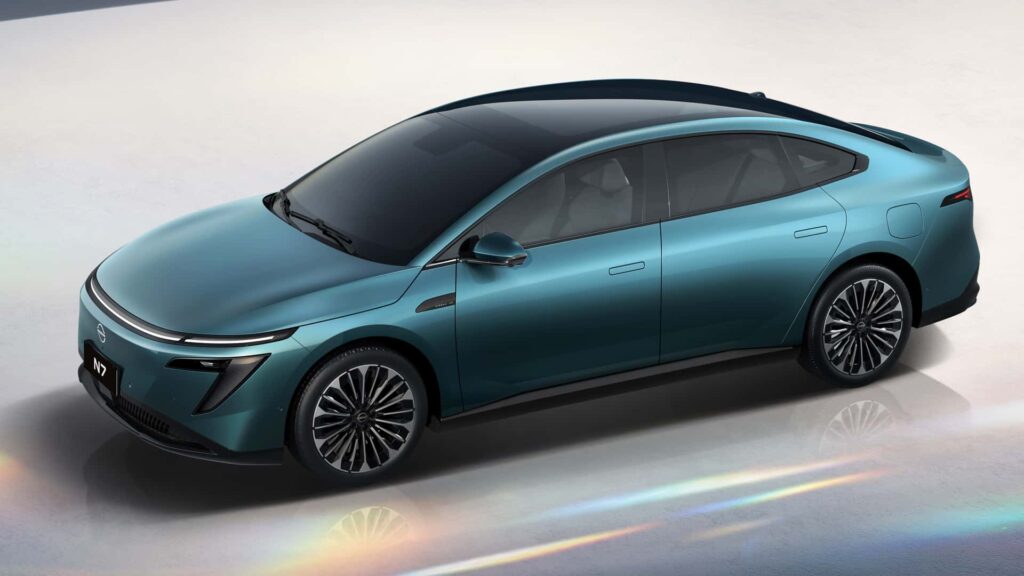
Nissan has issued a corporate warning that Chinese automakers will eventually enter the North American market, according to a headline circulating in automotive news circles. That is the entire substance of the claim. No model. No timeline. No named executive. No distribution plan. The statement arrived without a confirmed source document, and DriveGlobalNews.in could not verify the original press release or filing behind it. What we have is a warning without a target, a threat without a date, and a headline without a URL. For buyers waiting on affordable Chinese EVs at American dealerships, that is not a roadmap. It is a rumor wearing a suit.
Chinese automakers North America: Nissan Warning Raises Chinese EV Entry Questions Without Answers
| Engine | Not applicable |
| Power | Not applicable |
| Price | TBA |
| Availability | TBA |
The core claim rests on a single assertion: a Nissan executive allegedly said Chinese automakers will come to North America. According to the thin reporting available, no specific brand was named. BYD, Geely, Nio, and Chery all operate globally, but none has confirmed a US retail plan. The statement remains unverified in scope, timing, and intent.
Existing tariff policy makes the near-term picture even murkier. Chinese-built EVs face a 100 percent US tariff as of 2024, which effectively doubles the landed cost of any direct import. That barrier makes direct entry economically unviable without local manufacturing. A Chinese brand would need a US or Mexican assembly plant, a dealer network, and federal compliance work before a single car reaches a showroom. None of that has been announced.
Recent reports on BYD’s 372-mile electric semi and the Denza Z9 GT show Chinese manufacturers building serious product. Selling that product in Ohio is a different exercise entirely.
Tariffs, Plants, and the Real Barrier to Entry
A 100 percent tariff does not block a company forever. It reshapes strategy. A Chinese automaker could build in Mexico under USMCA rules, though rules-of-origin requirements on batteries and components complicate that path. It could partner with an existing US manufacturer. It could launch a separate brand with a domestic factory, the way Japanese and Korean brands did decades ago.
Each option costs billions and takes years. Nissan knows this because Nissan did it. The company spent decades building American manufacturing capacity. A warning about future competition is not the same as a warning about next year.
The counterintuitive angle here is that the tariff wall may be doing exactly what it was designed to do, which is buy time for domestic and allied manufacturers. That does not make the Nissan statement false. It makes it early.
What Buyers Should Actually Take From This
Nothing in this statement changes what you can buy today. There is no confirmed Chinese EV on a US lot, no announced price, no EPA range figure, and no NHTSA certification. Buyers expecting imminent Chinese EV availability in the US should walk away from this headline with their expectations intact, because the headline does not support them.
The competitive pressure is real, though. Tesla leads the US EV market, and Ford and GM face Chinese competition in Europe, Southeast Asia, and Latin America already. That pressure shapes pricing, feature sets, and ADAS rollouts even when the competing product never crosses the Pacific. Our previous coverage on the global EV market split, where European sales climbed while North American registrations fell 33 percent, shows how uneven this fight already looks.
Frequently Asked Questions
Q: Which Chinese automakers are planning to enter North America?
Nissan did not specify which Chinese automakers are planning to enter North America. However, brands like BYD, Nio, and Geely have expressed global ambitions. As of 2024, no official US market entry plans have been confirmed by any Chinese automaker.
Q: Will Chinese EVs be available in the US soon?
Chinese EVs are unlikely to be available in the US soon due to 100% tariffs imposed in 2024. These tariffs make direct imports economically unviable. Without local manufacturing, Chinese automakers face significant barriers to entry in the North American market.
Q: How will Chinese automakers affect US car prices?
If Chinese automakers enter North America, they could pressure US car prices downward through increased competition. However, current tariffs prevent this. In the long term, local production by Chinese brands could lead to more affordable EV options for consumers.
What Buyers Should Do Now
Treat the Nissan statement as a signal, not a schedule. If you need a vehicle this year, shop what exists. Compare real range figures, real warranty terms, and real dealer inventory. Nothing about an unverified warning changes the math on a purchase you are making in the next twelve months.
If you are waiting specifically for a Chinese-brand EV, set no calendar date. Watch for three confirmations instead. A named brand. A named model. A confirmed US assembly or import plan with pricing attached. Until those appear, the entry talk stays in the realm of corporate positioning.
Keep an eye on tariff policy as well, since any softening or tightening there moves the timeline more than any executive quote. DriveGlobalNews.in will track the filings and the factory announcements, not the headlines. The warning may prove correct eventually. It just does not tell you when, and it does not tell you what you will pay.