New York Auto Show 2026: Big EV Reveals, a Stunning Hyundai Concept — and the Inconvenient Truth About EV Sales
Automakers arrived at the Jacob Javits Center with bold new electric vehicles and concept cars. But outside the show floor, a very different story is unfolding — EV sales are slumping, the $7,500 tax credit is gone, and hybrids are winning the market. Here’s the full picture.
The 2026 New York International Auto Show (NYIAS) is being called the most exciting auto show in years — and for good reason. Nine major vehicle reveals, a jaw-dropping concept from Hyundai, and fresh EV debuts from Kia and Subaru filled the floor at the Jacob Javits Convention Center this week. But there’s a fascinating tension at the heart of this year’s show: automakers are doubling down on electric vehicles at the exact moment American consumers are pulling back from buying them.
Biggest Reveals at the 2026 New York Auto Show
Here are the standout debuts from this year’s show — a mix of bold EVs, smart hybrids, and one concept that stole the entire event:
Electric
Starting Price: ~$35,000
On Sale: Late 2026
Highlight: Most affordable Kia EV ever. V2L technology — powers devices from your car. North American debut at NYIAS.
Electric · 3-Row
Range: 300+ miles
Price: Mid-$50,000s
Highlight: Subaru’s most powerful production car ever. Built on same platform as Toyota Highlander EV.
Concept · Show Stealer
Design: 37-inch tires, safari windows, dual-hinged tailgate
Highlight: Surprise global premiere. Jeep Wrangler rival. Will underpin a future midsize pickup by 2030.
Hybrid · First Ever
Tech: Dual 12.3-inch screens, OTA updates
Highlight: Seltos gets a hybrid powertrain for the very first time — targeting high-volume compact SUV demand.
Hybrid · Off-Road
Features: Keeps AWD, all-terrain tires, raised suspension
Highlight: First-ever hybrid in Subaru’s rugged Wilderness lineup.
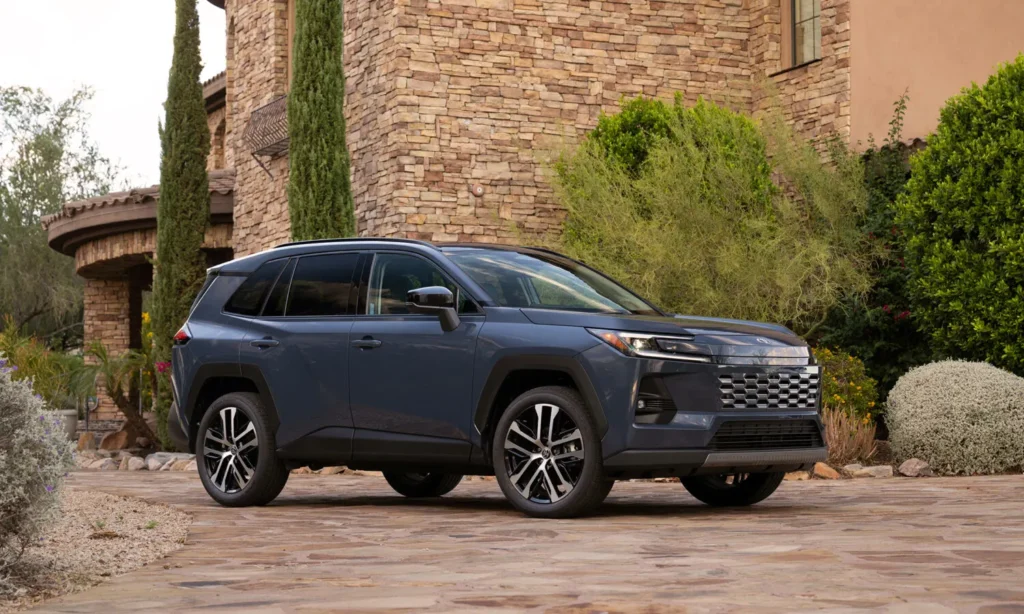
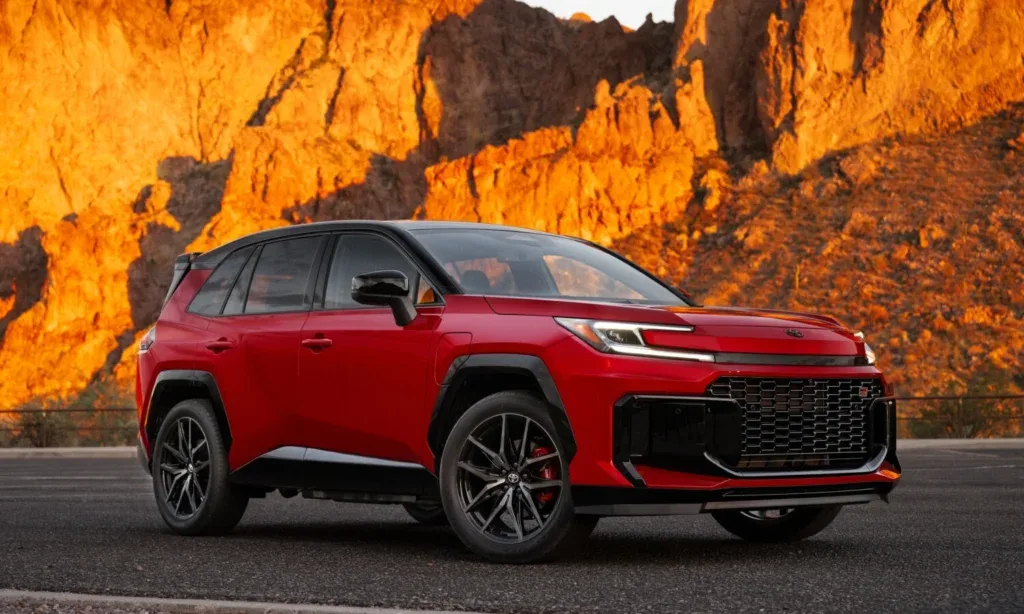
PHEV · Star of Show
Fuel Economy: ~40 mpg combined
Highlight: Full redesign with hammerhead grille. Weeks between gas station visits for most drivers.
The EV Slowdown Nobody Wants to Talk About
Here’s the uncomfortable truth behind all the excitement: EV sales in the US are declining. In March 2026, EVs accounted for just 5.2% of new car sales — down from their peak. The removal of the $7,500 federal EV tax credit by the Trump administration, combined with high vehicle prices and uneven charging infrastructure, has caused real softening in consumer demand.
S&P Global Mobility projects total US auto sales will fall to 15.9 million units in 2026 — a 3% drop from 2025. EV sales are expected to remain flat or decline in the first half of 2026, with no recovery in sight until new affordable models like the Kia EV3 arrive later this year.
Why Automakers Are Still Betting on EVs
So why are Kia, Subaru, and others revealing new EVs if sales are soft? Because they’re playing the long game. Rising fuel prices — partly driven by geopolitical tensions — are nudging some buyers back toward EVs. Affordable newcomers like the Kia EV3 at ~$35,000 could reset the price conversation entirely. And automakers need to stay ready for when infrastructure catches up.
Hybrids: The Real Winners of NYIAS 2026
Upcoming Hybrid Cars 2026 USA — Best New Models to Buy This Year
Walk the floor of the New York Auto Show and you’ll notice something: the most buzzed-about vehicles aren’t pure EVs — they’re hybrids. The RAV4 PHEV. The Seltos Hybrid. The Forester Wilderness Hybrid. These are practical, immediately appealing cars that don’t ask buyers to change their routine. With hybrids now making up nearly 60% of all electrified vehicle sales in the US, the market has made its preference clear — at least for now.
Bottom Line: What This Means for Car Buyers in 2026
If you’re shopping for a car right now — a hybrid is your best bet. The technology is mature, the prices are right, and the infrastructure concern doesn’t exist. If you’re willing to wait until late 2026 or early 2027, the Kia EV3 could be the affordable EV that finally makes the switch make sense for mainstream buyers. Either way, 2026 is shaping up to be one of the most consequential years in American automotive history.