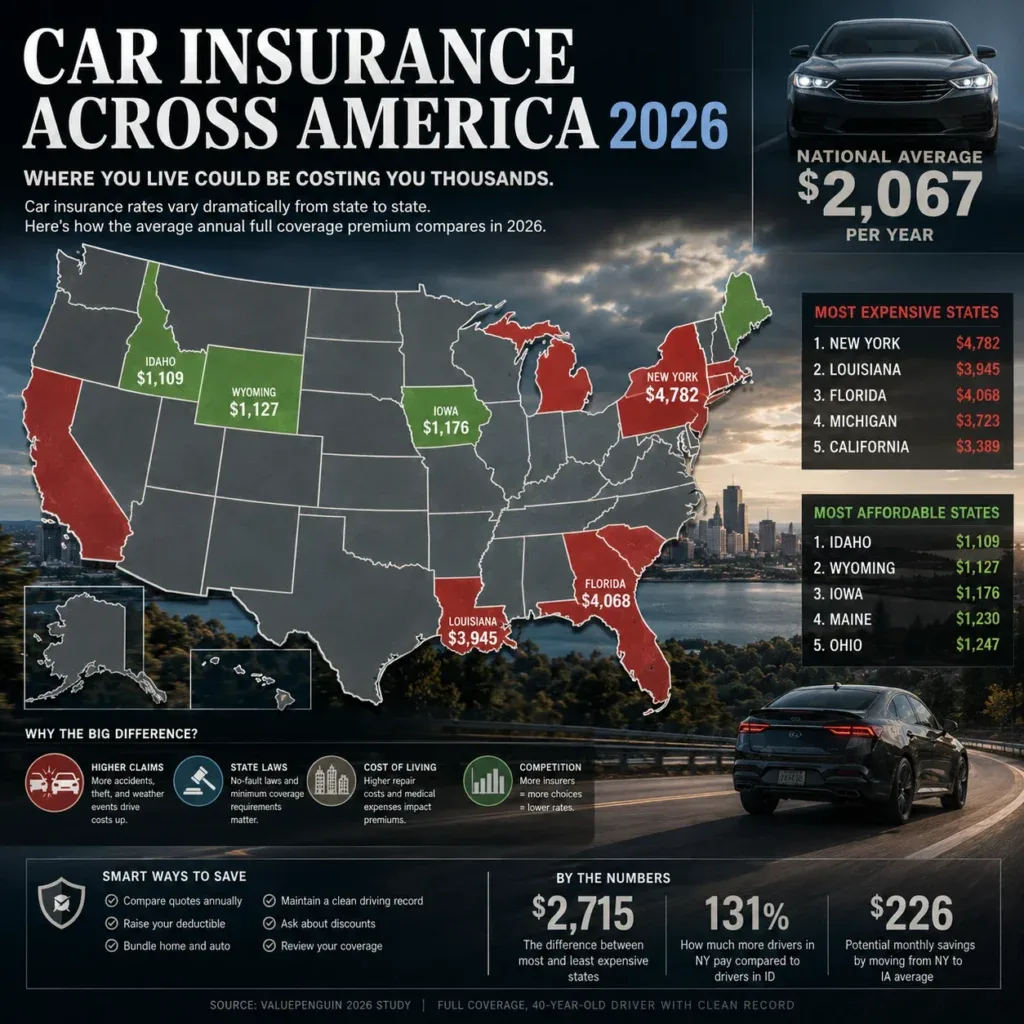

Most car insurance discounts are not secret. They are simply unadvertised. Insurers apply some automatically. Others require you to ask, provide a certificate, or correct a detail on your application. In August 2026, five of the most commonly missed credits can still shave a meaningful amount off a typical full-coverage policy if you qualify.
1. Defensive Driving Course Discount Many states require insurers to offer a discount to drivers who complete an approved defensive-driving or mature-driver course. 
The class is often available online for $25–$50 and the credit typically lasts one to three years. Savings commonly fall in the 5–10 percent range on certain coverages, which can add up to a couple of hundred dollars a year for some drivers.
This discount is easy to miss because agents rarely volunteer it and the course is not required to keep your license in every state. Ask your insurer which courses they accept, complete one, and submit the certificate. It is one of the few discounts you can create on demand.
2. Paid-in-Full (or Annual Pay) Discount Paying the full six-month or annual premium in one payment instead of monthly installments often removes installment fees and can trigger a small additional discount, commonly 5–10 percent. Insurers prefer the cash flow and reduced billing risk.
A surprising number of policyholders stay on monthly billing out of habit. If you can cover the lump sum without strain, ask for the paid-in-full price and compare it with your current installment total. The difference is frequently larger than people expect.
3. Low-Mileage and Garaging Discounts If you drive fewer than about 7,500–10,000 miles a year, many companies offer a low-mileage credit.
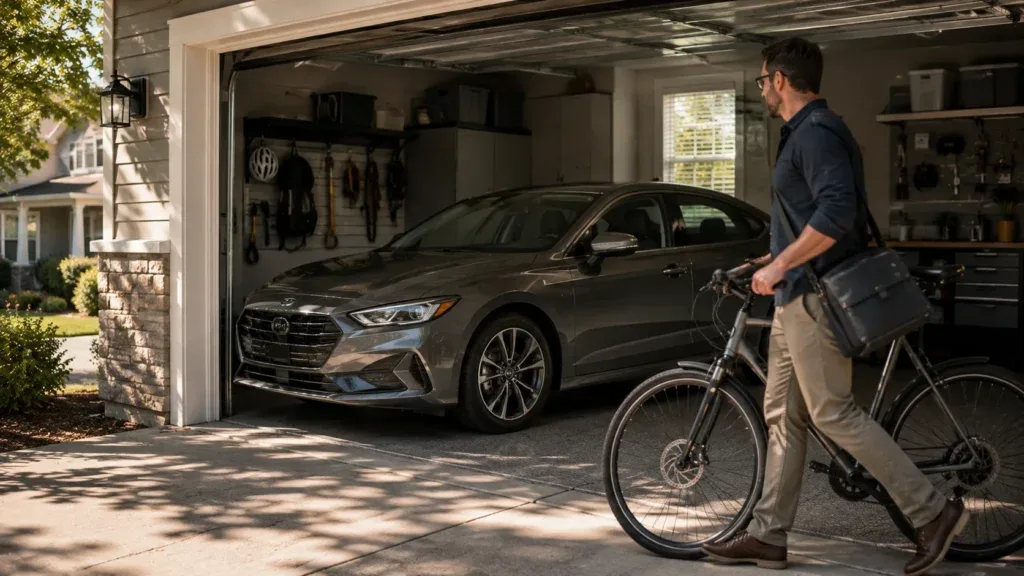
Remote workers, retirees, and households with a second car that sits most days often qualify and never update their estimated annual mileage. Parking in a private garage or a gated, well-lit lot can also produce a modest “garaging” or theft-prevention credit with some carriers.
These discounts depend on the information you give the insurer. If your application still lists 12,000 or 15,000 miles from years ago, you may be overpaying. Update the figure honestly and ask whether a low-mileage or garaging tier applies.
4. Affinity, Alumni, and Professional Organization Discounts GEICO and several other companies offer unpublished or lightly advertised credits for members of certain alumni associations, professional groups, federal employees, teachers, first responders, and similar organizations. The savings are usually modest on their own (often in the 5–15 percent range when available) but they stack with other credits.
Most people never mention their memberships when they buy a policy. Call and ask specifically: “Do you have an affinity or association discount for [your group]?” Have your membership details ready. Availability varies by state and company.
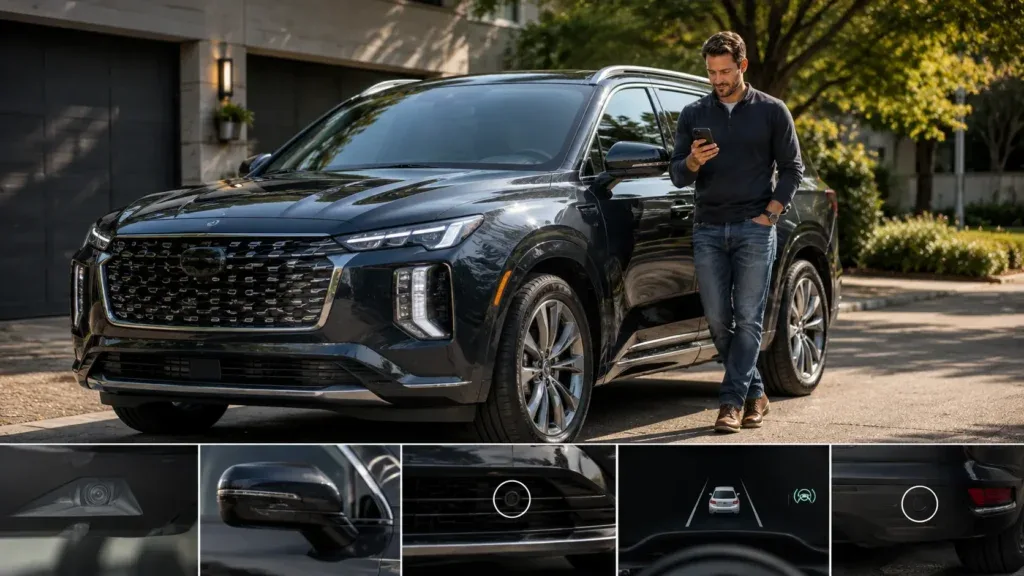
5. Specific Vehicle Safety-Feature Credits That Are Not Auto-Applied Insurers commonly give credits for anti-lock brakes, airbags, anti-theft devices, daytime running lights, and certain advanced driver-assistance systems. Some of these are built into the rating of a given model year. Others are not applied unless the vehicle’s exact equipment is coded correctly or you ask.
If you added aftermarket security, have factory ABS on an older car, or own a vehicle with features that were optional when it was new, confirm that the policy reflects them. GEICO and Farmers, among others, still list some of these as distinct discounts. A five-minute equipment review can catch credits that were never attached.
How to Claim Them in August 2026 Call your current insurer first and request a discount review. Name each credit you think you qualify for. Then get at least two competing quotes with the same coverages so you can see whether another company applies more of them. Discounts do not always transfer one-for-one when you switch, but shopping is the only way to know.
Keep certificates (defensive driving, association membership, course completion) in one folder. Update mileage and garaging details whenever they change. None of these five requires a new car or a perfect record. They only require you to ask.
The Bottom Line The five discounts most often left unclaimed in 2026 are the defensive-driving course credit, paid-in-full billing, low-mileage or garaging adjustments, affinity/organization memberships, and specific vehicle safety-feature credits that were never coded. Individually they are not huge. Together they frequently save more than the time it takes to request them.
Your insurer is not required to hunt these down for you. A single focused phone call or a fresh set of quotes is usually enough to find out which ones you have been missing.
When was the last time you asked your insurer for a complete discount review instead of just accepting the renewal price?