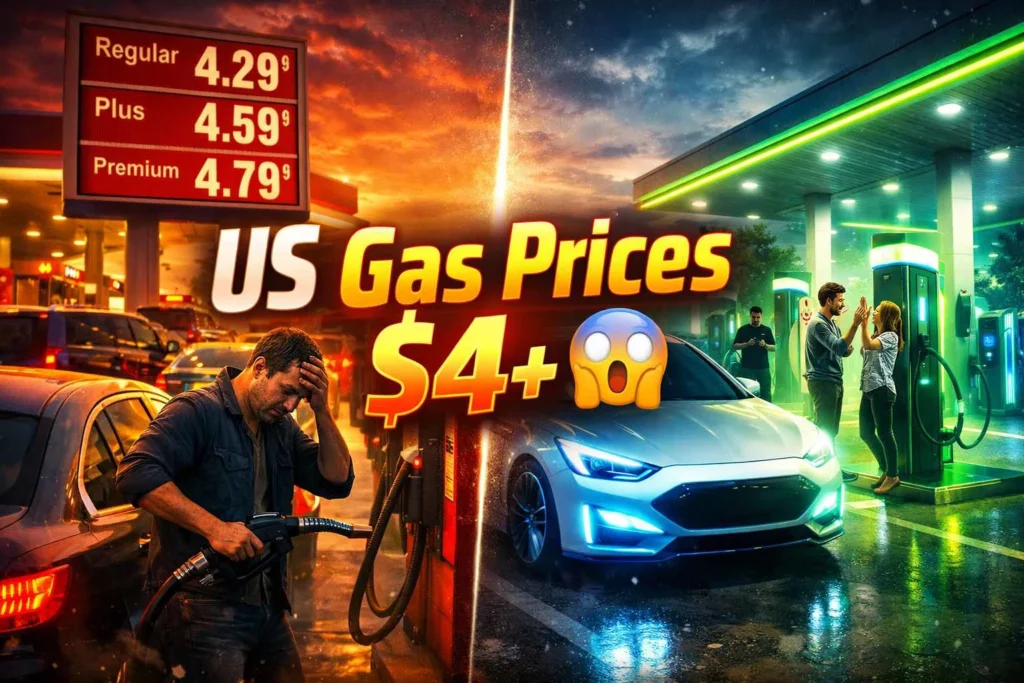
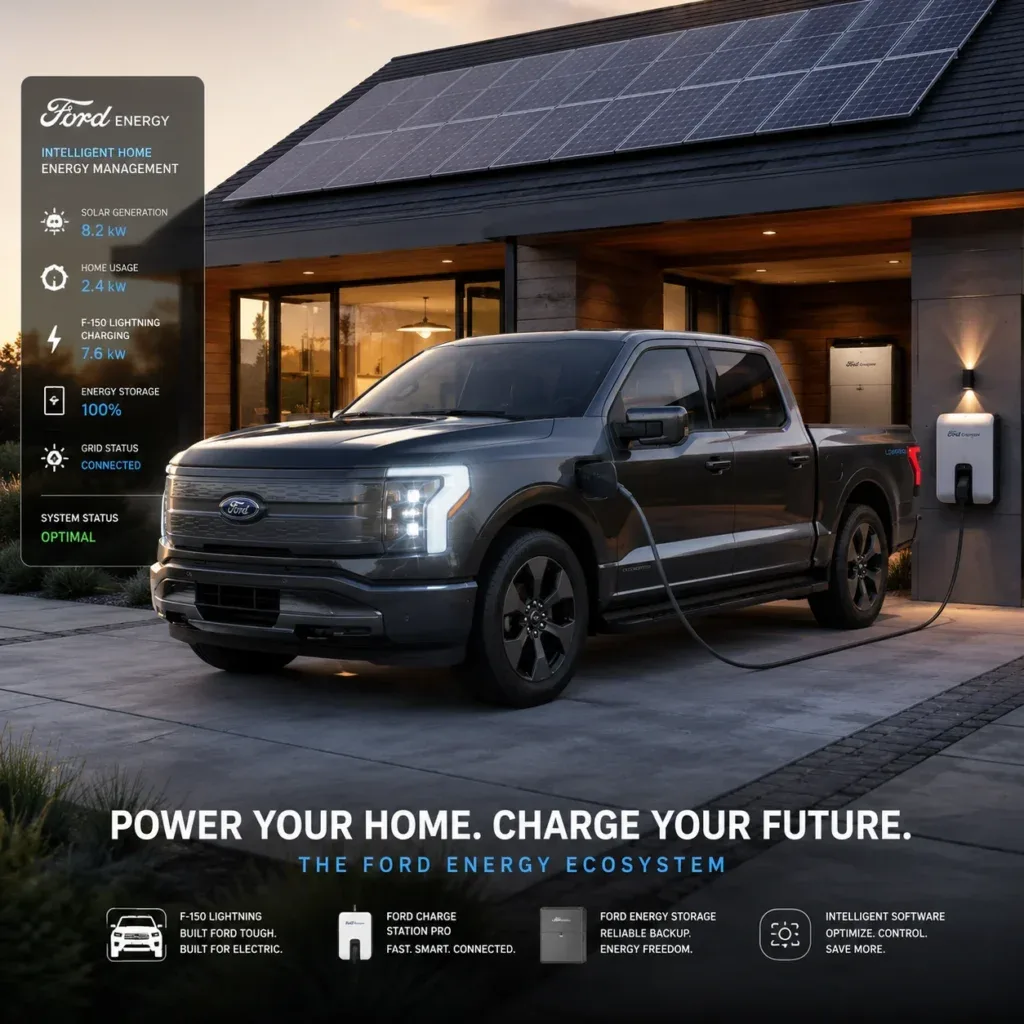
Ford Just Made a Move Most People Didn’t See Coming : The first is the obvious one.
Ford is the company behind the F-150, the Bronco, the Mustang, and some of the most recognizable vehicles on American roads. It’s the truck company. The blue-collar icon. The automaker that has spent more than a century building vehicles for millions of Americans.
But there’s a second version of Ford emerging right now.
And surprisingly, it has less to do with trucks and more to do with energy.
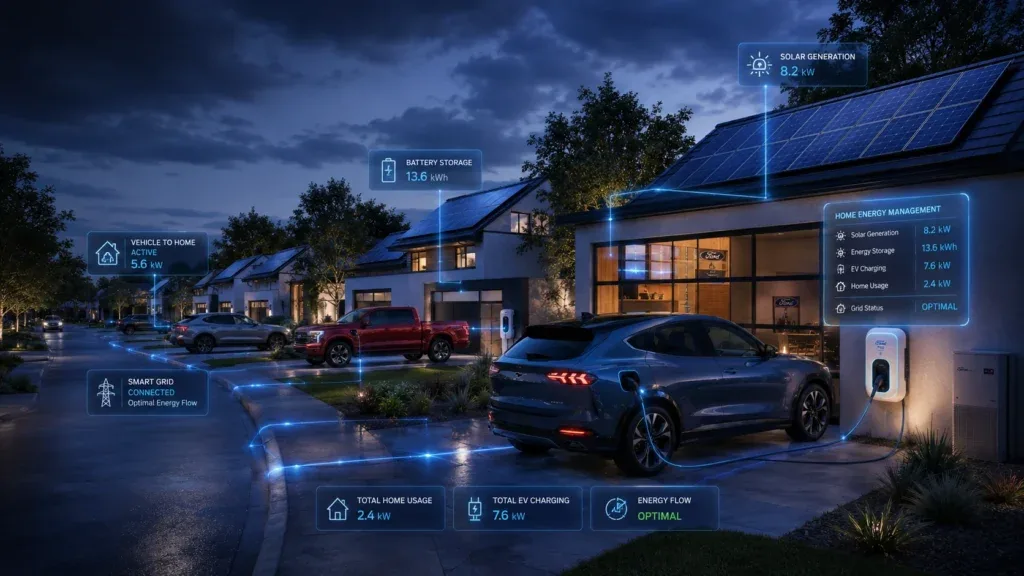
While most headlines continue to focus on vehicle sales, EV competition, and the future of transportation, Ford is quietly building something much larger in the background. The company is expanding its Ford Energy initiative, a move designed to connect electric vehicles, home charging, backup power systems, and energy management into a single ecosystem.
At first glance, that might sound like another corporate buzzword.
It’s not.
And the reason is simple: Ford believes the future automotive business won’t end when a customer buys a vehicle.
It will continue every day after that.
Ford Is Looking Beyond Vehicle Sales
For decades, the automotive business followed a familiar formula.
Build a vehicle.
Sell it.
Service it.
Repeat.
That model created some of the biggest automotive companies in the world.
But the shift toward electrification is changing the rules.
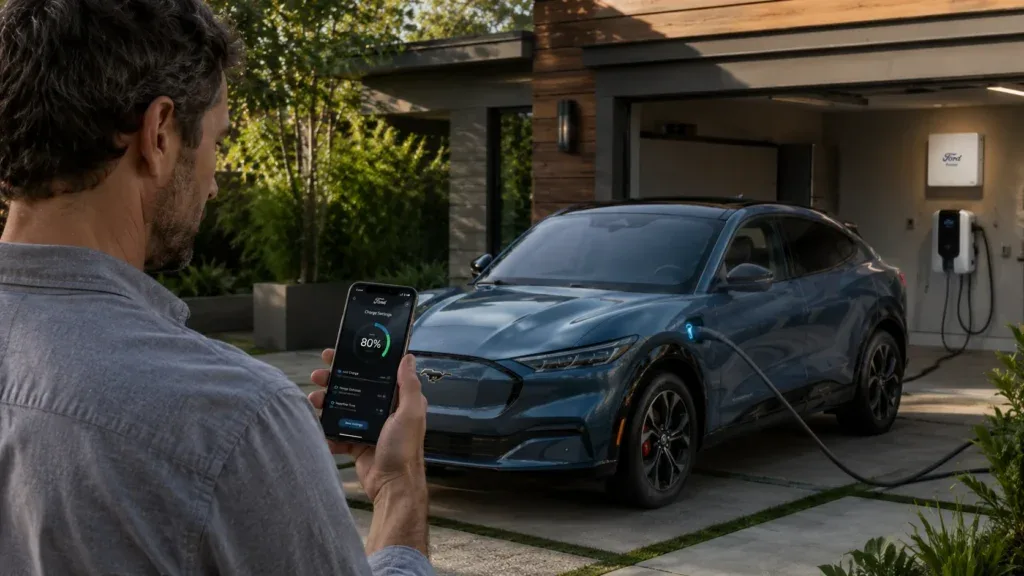
Electric vehicles are no longer just transportation products. They’re becoming part of a larger energy system that includes charging infrastructure, home energy storage, and electricity management.
Ford sees an opportunity in that change.
Instead of focusing solely on selling electric vehicles, the company is investing in services that help customers manage how those vehicles interact with their homes and daily lives.
It’s a strategy that could generate long-term customer relationships rather than one-time vehicle purchases.
also read : https://driveglobalnews.in/best-hybrid-suvs-under-40000-america/
Why Ford Thinks Energy Matters
The average American driver doesn’t wake up thinking about energy management.
They think about convenience.
Can they charge at home?
Will electricity costs increase?
What happens during a power outage?
Can their vehicle help reduce energy expenses?
Those questions are becoming more important as EV ownership grows across the country.
Ford believes future customers will want solutions, not just vehicles.
That’s where Ford Energy enters the picture.
The company’s strategy includes integrating home charging systems, intelligent energy management, and technologies that allow vehicles to work alongside household energy systems.
For EV owners, that could eventually mean greater control over charging schedules, electricity usage, and backup power capabilities.
The Bigger Automotive Trend
Ford isn’t making this move in isolation.
Across the industry, automakers are realizing that the future battle won’t be limited to horsepower, towing capacity, or even battery range.
The next competition may be about ownership experience.
Who provides the easiest charging?
Who offers the most seamless home integration?
Who creates the simplest energy ecosystem?
Those questions could become just as important as vehicle specifications.
And Ford wants to position itself early.
That’s particularly important because EV adoption in America continues to evolve at a different pace than many experts predicted a few years ago.
While EV sales continue growing, buyers remain concerned about charging convenience, infrastructure availability, and long-term ownership costs.
Companies that solve those concerns may gain a significant advantage.
also read : https://driveglobalnews.in/toyota-rav4-hybrid-vs-honda-cr-v-hybrid/
What This Means for Ford Customers
For traditional Ford truck buyers, this strategy may not seem immediately relevant.
After all, someone shopping for an F-150 is usually thinking about payload capacity, towing ability, or work-site durability.
But the automotive landscape is changing quickly.
Many Ford customers who buy trucks today may consider hybrid or electric vehicles in the future.
When that transition happens, the overall ownership experience will matter just as much as the vehicle itself.
Ford appears to be preparing for that reality.
Rather than waiting for the market to mature completely, the company is investing now.
That’s a long-term bet.
And like most long-term bets, the results won’t be visible overnight.
The Real Story Here
The most interesting part of this announcement isn’t the technology.
It’s the mindset behind it.
For more than 100 years, automakers competed by building better vehicles.
Ford still does that.
But the company is increasingly acting like the future will require more than great vehicles alone.
It will require creating an entire ownership ecosystem around them.
That’s a very different way of thinking about the automotive business.
And it suggests Ford sees the next decade differently than many people assume.
Most consumers still view Ford as a truck company.
That’s understandable.
The F-Series remains one of the most successful vehicle lineups in America.
But behind the scenes, Ford is preparing for a future where energy, charging, software, and vehicle ownership become increasingly connected.
Whether that strategy ultimately succeeds remains to be seen.
What isn’t difficult to see, however, is that Ford isn’t simply trying to sell more vehicles.
It’s trying to build a larger relationship with customers after the sale.
And in an industry facing enormous change, that may end up being one of the smartest moves the company can make.