The Car Market Prediction : If you’ve followed the auto industry for more than a few years, you’ve probably noticed something funny.
The future is always arriving next year.
Every year.
Experts predict massive shifts.
Consumers are expected to change overnight.
Entire markets are supposedly about to transform.
And sometimes those predictions come true.
Many times they don’t.
In fact, some of the biggest automotive predictions in history ended up looking surprisingly foolish a decade later.
That’s not because industry experts are unintelligent.
It’s because predicting human behavior is incredibly difficult.
People don’t always buy what analysts expect them to buy.
They buy what fits their lives.
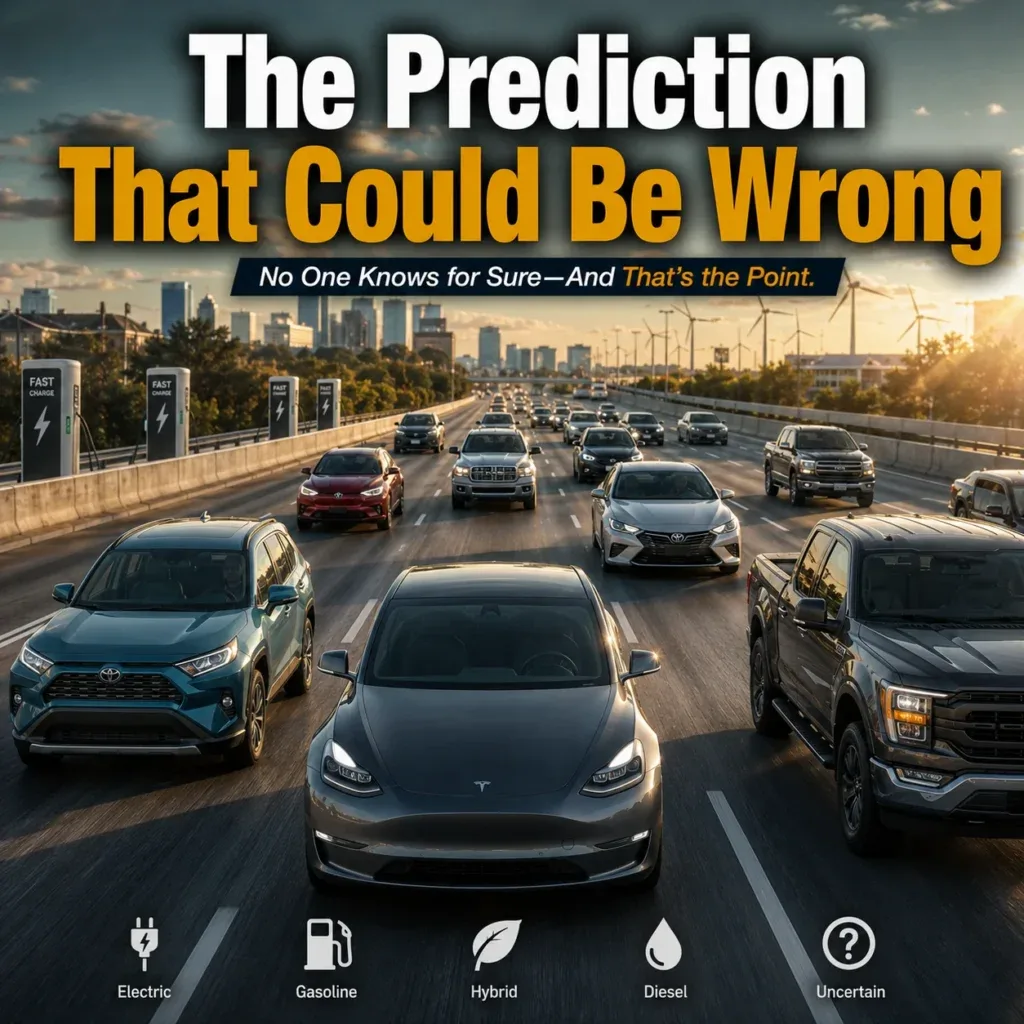
And that’s why one of the most popular predictions in today’s automotive market may end up being completely wrong.
Not because it’s impossible.
Because it assumes people will behave differently than they often do.
The Prediction Sounds Logical
Most major forecasts follow a similar storyline.
Technology improves.
Consumers see the benefits.
Consumers switch.
The market changes.
Simple.
Clean.
Logical.
The problem is that real life rarely follows a straight line.
Consumers don’t always move as quickly as technology.
Sometimes they move slower.
Sometimes much slower.
And that gap between innovation and adoption is where predictions often fall apart.
The Industry Loves Certainty
People love certainty.
Investors love certainty.
Analysts love certainty.
The media definitely loves certainty.
“Here’s what the market will look like in five years.”
That’s a powerful headline.
The problem?
The automotive market has a habit of ignoring certainty.
Just look at history.
Sedans were supposed to dominate forever.
Then SUVs exploded.
Small cars were expected to become unstoppable.
Then trucks remained enormously popular.
Predictions often assume trends continue indefinitely.
Consumers frequently have other plans.
The Buyer Usually Gets The Final Vote
This is the part forecasts sometimes overlook.
Consumers aren’t spreadsheets.
They’re people.
A family in Ohio doesn’t necessarily make decisions the same way as a commuter in California.
A retiree in Florida doesn’t always think like a first-time buyer in Texas.
People bring different priorities to the market.
Fuel economy.
Reliability.
Technology.
Monthly payments.
Practicality.
And because priorities vary, outcomes often surprise experts.
Why Hybrids Became The Unexpected Winner
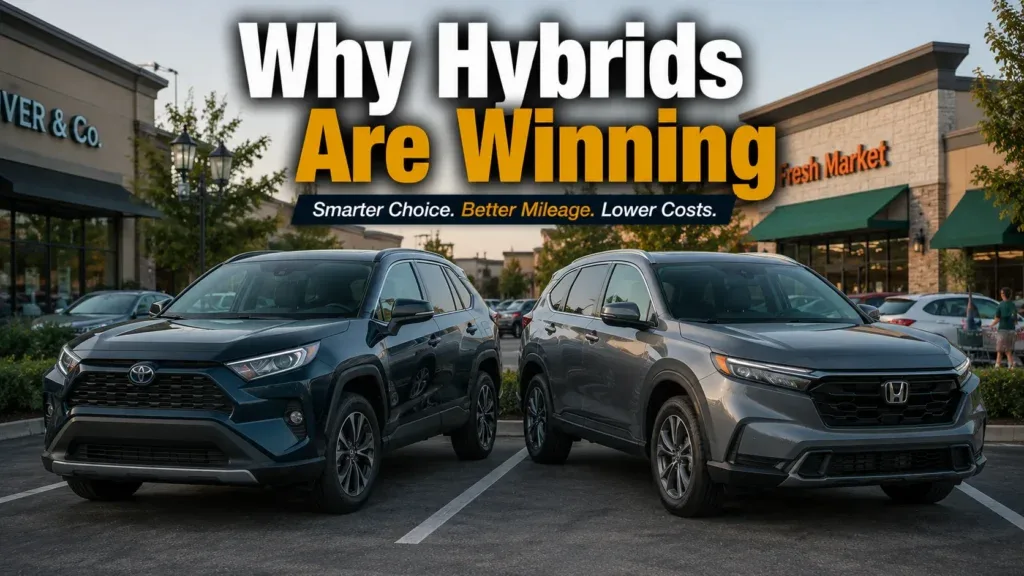
A few years ago, hybrids didn’t dominate many automotive headlines.
Today they’re becoming increasingly important.
Why?
Because they solved a real-world problem.
Better fuel economy.
No charging routine.
No major lifestyle change.
Consumers responded.
Not because analysts told them to.
Because the product made sense.
That’s a useful lesson.
Markets often reward convenience more than excitement.
Also Read:
https://driveglobalnews.in/the-auto-industry-story-nobody-is-paying-attention-to-yet/ – The quieter trend that may end up shaping the future more than flashy headlines.
Predictions Often Ignore Human Habits
Think about your own life.
How many products do you continue using simply because they work?
Probably quite a few.
Humans are creatures of habit.
The automotive industry sometimes underestimates that reality.
People don’t replace routines easily.
Especially when those routines involve large financial decisions.
Buying a vehicle isn’t like downloading a new app.
It’s a major commitment.
That naturally slows change.
The Most Dangerous Word In Forecasting
There’s one word that appears in almost every prediction.
“Eventually.”
Eventually consumers will do this.
Eventually the market will move here.
Eventually buyers will abandon that.
The problem is that “eventually” can mean two years.
Or twenty years.
Forecasts often get the direction right but completely miss the timing.
And timing matters.
A lot.
The Market Has Become More Complicated
Not Less
Years ago, many people believed automotive choices would become simpler.
Instead, they’ve become more complicated.
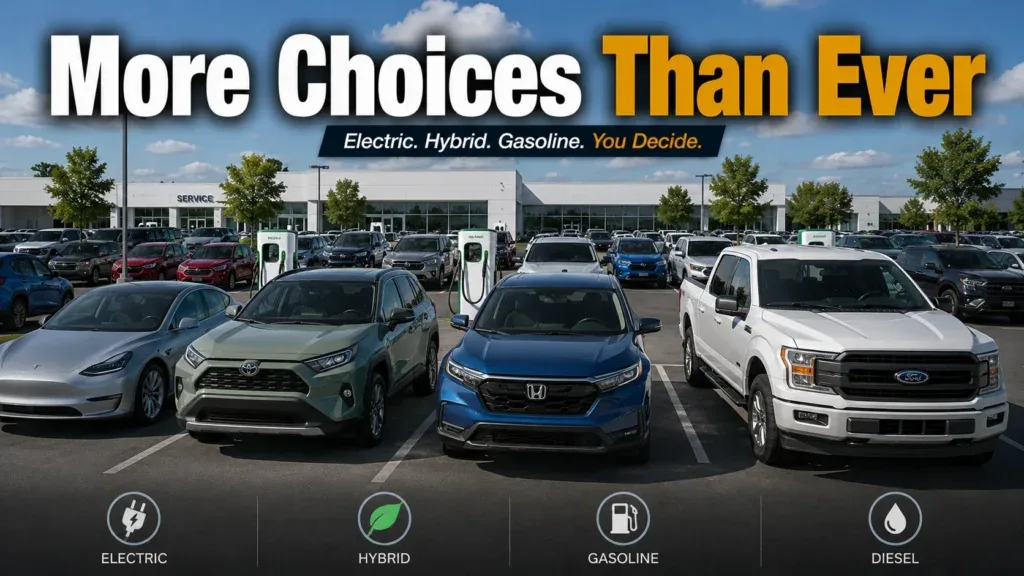
Gasoline vehicles still exist.
Hybrids exist.
Plug-in hybrids exist.
Electric vehicles exist.
Consumers now have more options than ever.
And more options usually create more varied buying behavior.
That makes forecasting even harder.
The Real Story Might Be Flexibility
The companies most likely to succeed may not be the ones making the boldest predictions.
They may be the ones remaining flexible.
Ready to adapt.
Ready to adjust.
Ready to respond when consumers surprise everyone.
Because consumers always surprise everyone.
Eventually.
Also Read:
https://driveglobalnews.in/why-more-americans-are-keeping-their-cars-past-200000-miles/ – A trend few experts predicted would become so important.
What History Keeps Teaching Us
Every generation believes it understands where the market is heading.
Then buyers do something unexpected.
They choose practicality over excitement.
Value over trends.
Convenience over theory.
Again and again.
That’s why humility is useful when discussing the future.
The market has a long history of embarrassing people who claim certainty.
The Future Probably Isn’t One Thing
Maybe that’s the prediction most likely to be correct.
The future won’t belong entirely to one technology.
One vehicle type.
One strategy.
It will likely be more diverse than many forecasts suggest.
Because consumers are diverse.
And consumers ultimately decide what succeeds.
A Coffee Shop Lesson

The next time you hear someone confidently explaining what every American will be driving ten years from now, pay attention.
Not to the prediction.
To the confidence.
Because the automotive industry has spent more than a century proving one thing.
People are wonderfully unpredictable.
They buy vehicles for reasons analysts miss.
They keep vehicles longer than expected.
They embrace trends nobody saw coming.
And they ignore trends that seem inevitable.
That’s why the most dangerous prediction in the car market isn’t necessarily the one that’s bold.
It’s the one that assumes the future has already been decided.
History suggests it probably hasn’t.