
Car Insurance for Bad Credit in 2026 : Picture two drivers.
Same age.
Same ZIP code.
Same vehicle.
Same clean driving record.
Neither has been in an accident.
Neither has received a speeding ticket.
One pays $1,800 a year for car insurance.
The other pays more than $3,000.
The difference?
A number that has nothing to do with driving.
Their credit score.
For millions of Americans, that reality feels confusing at best and unfair at worst.
After all, what does paying a credit card bill on time have to do with how safely you drive?
According to many insurance companies, quite a lot.
And in 2026, your credit history continues to influence what you pay for car insurance in much of the United States.
Why Insurance Companies Care About Credit
This is usually the first question drivers ask.
Insurance companies don’t use your traditional credit score directly.
Instead, many use what’s called a credit-based insurance score.
It’s designed to predict the likelihood of future claims.
Insurers argue that historical data shows a relationship between lower credit scores and higher claim costs.
Consumer advocates strongly disagree.
They argue that financial struggles don’t automatically make someone a riskier driver.
The debate continues.
But for now, the system remains in place across much of the country.
How Much More Are Drivers Actually Paying?

The answer depends on where you live.
Your insurer.
Your age.
Your coverage levels.
And, of course, your credit profile.
But here’s the reality.
The difference can be substantial.
Drivers with poor credit often pay 30% to 80% more than drivers with excellent credit for similar coverage.
In some situations, the gap can be even larger.
Think about that for a moment.
Over five years, a higher premium could cost thousands of extra dollars.
Not because you drive differently.
Because your financial profile looks different.
Your State Matters More Than You Think
Insurance rules aren’t the same everywhere.
A handful of states restrict or prohibit insurers from using credit information when setting rates.
That means location matters.
A lot.
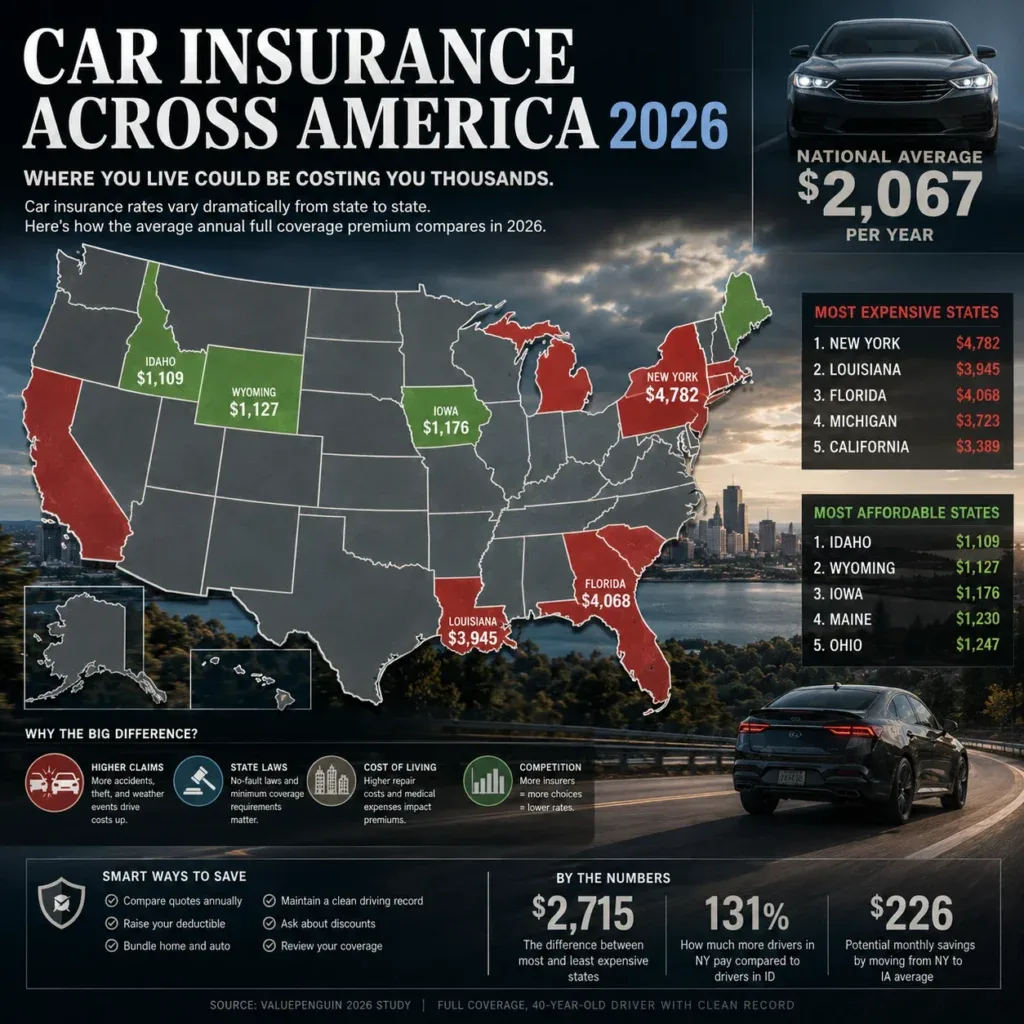
A driver in California may receive a very different quote than a driver with identical circumstances in Texas or Florida.
National averages can provide a general picture.
But your ZIP code often tells the real story.
Why This Issue Feels Bigger In 2026
Insurance costs have been climbing across the country.
Repair costs are rising.
Vehicles contain more expensive technology than ever before.
Even minor accidents can involve cameras, sensors, and advanced driver-assistance systems.
Medical costs continue increasing.
Severe weather events create more claims.
All of those factors push premiums higher.
When insurance becomes more expensive for everyone, drivers with poor credit feel the impact even more.
Also Read:
https://driveglobalnews.in/how-much-does-luxury-car-insurance-cost-in-2026/ – Why some vehicle owners are paying far more for insurance than expected.
The Biggest Mistake Drivers Make
Many people assume insurance companies all price risk the same way.
They don’t.
One insurer may view your profile favorably.
Another may see additional risk.
That difference can translate into hundreds of dollars per year.
Sometimes more.
That’s why shopping around matters.
Especially if your credit isn’t perfect.
Loyalty can be valuable.
But blindly renewing the same policy year after year can become expensive.
What Can You Do To Lower Your Premium?

Improving your credit score takes time.
But insurance savings often begin with small steps.
Pay bills consistently.
Reduce outstanding balances.
Review your credit reports for errors.
Avoid opening unnecessary accounts.
At the same time, explore other ways to lower costs.
Bundle policies.
Increase your deductible.
Ask about available discounts.
Maintain a clean driving record.
Every small improvement helps.
Your Vehicle Choice Matters Too
Some vehicles cost significantly more to insure.
Luxury cars.
High-performance models.
Vehicles with expensive repair costs.
Popular theft targets.
If you’re already paying higher premiums because of your credit profile, choosing an affordable, reliable vehicle can make a meaningful difference.
Insurance companies evaluate the entire picture.
Not just one number.
Also Read:
https://driveglobalnews.in/10-vehicles-with-the-lowest-ownership-costs-in-america/ – Vehicles that can help keep insurance and long-term ownership costs under control.
The Bigger Question Nobody Agrees On
Should insurers use credit information at all?
Ask ten people and you’ll hear ten different opinions.
Some believe insurance pricing should focus only on driving behavior.
Others argue insurers should use any data that improves risk predictions.
The conversation isn’t ending anytime soon.
But while policymakers continue debating the issue, drivers still have to navigate today’s reality.
The Quote That Changes Everything
For many people, the impact of bad credit doesn’t feel real until they’re shopping for insurance.
The quote arrives.
The number looks far higher than expected.
And suddenly, a credit score becomes part of the car ownership conversation.
That’s frustrating.
But it’s also a reminder that vehicle ownership extends far beyond the monthly payment.
Fuel matters.
Maintenance matters.
Depreciation matters.
Insurance matters too.
And in 2026, one of the biggest factors influencing that insurance bill may have nothing to do with how you drive.
It may come down to the financial story your credit report tells before you ever turn the key.