
How Much Does Luxury Car Insurance : A friend recently called me after buying a luxury SUV.
He sounded excited.
For about thirty seconds.
Then he mentioned the insurance quote.
The excitement disappeared immediately.
“There’s no way that’s right,” he said.
Unfortunately, it was.
And that’s a story being repeated all across America.
People spend weeks comparing horsepower, technology, and interior materials.
Then they discover something nobody talks about enough.
Owning a luxury vehicle is expensive.
Insuring one can be expensive too.
In some cases, surprisingly expensive.
The reality is that many buyers carefully calculate their monthly payment but never seriously research insurance costs until after they buy the vehicle.
That’s like shopping for a house and forgetting property taxes exist.
The numbers matter.
A lot.
Especially in 2026.
Why Luxury Cars Cost More To Insure
The answer seems obvious.
Luxury vehicles cost more.
But that’s only part of the story.
Insurance companies look at several factors.
Vehicle value.
Repair costs.
Replacement parts.
The likelihood of claims.
Technology complexity.
And even theft rates.
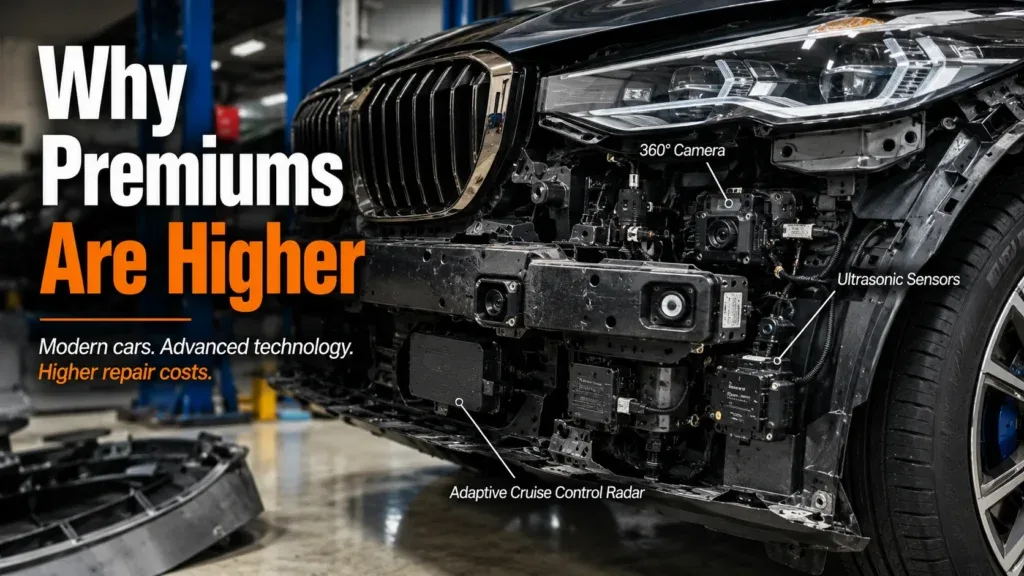
Modern luxury vehicles are packed with sensors, cameras, radar systems, and expensive electronics.
A minor accident that once required a simple bumper replacement can now involve thousands of dollars worth of technology.
Insurance companies know this.
And they price policies accordingly.
The Numbers Most Buyers Want
Let’s get to the question everyone asks.
How much does luxury car insurance actually cost?
The answer depends on location, driving history, age, coverage level, and vehicle choice.
But generally speaking, many luxury vehicle owners in America can expect annual insurance costs somewhere between $2,000 and $5,000 per year, with some models falling below or well above that range.
That’s a broad range because luxury vehicles aren’t all the same.
A Lexus ES isn’t treated the same way as a high-performance BMW M5.
A Mercedes-Benz GLE isn’t the same as a Porsche Cayenne Turbo.
The badge matters.
The model matters.
The risk profile matters.
BMW Owners Often Discover This First
BMW vehicles frequently attract drivers who enjoy performance.
Insurance companies understand that.
As a result, certain BMW models can carry noticeably higher premiums than buyers expect.
That doesn’t mean every BMW is expensive to insure.
Far from it.
But performance-oriented models often bring larger insurance bills.
The more power involved, the more carefully insurers evaluate risk.
Mercedes-Benz Usually Falls Into The Middle
Mercedes owners often experience a slightly different story.
Many Mercedes vehicles are focused on comfort and luxury rather than outright performance.
That can help.
However, repair costs remain a major factor.
Luxury parts aren’t cheap.
Advanced technology isn’t cheap.
And insurance companies account for both.
The result is often premiums that remain firmly above mainstream vehicle averages.
Also Read:
https://driveglobalnews.in/why-depreciation-costs-more-than-most-repairs/ – The ownership cost many luxury car buyers overlook while focusing on insurance.
Lexus Continues To Surprise People
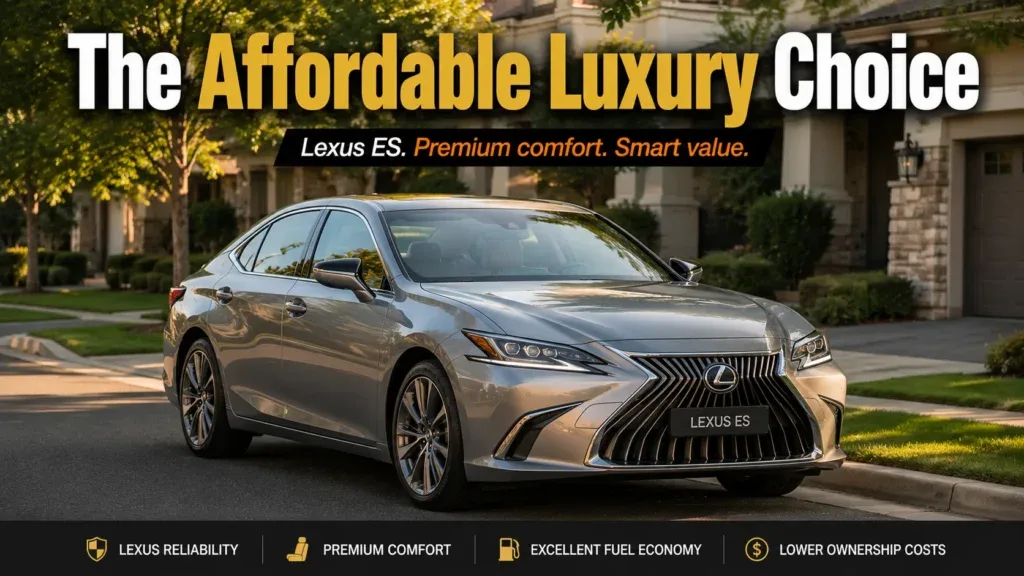
One of the most interesting luxury insurance stories involves Lexus.
Many buyers assume all luxury brands cost similar amounts to insure.
That’s not always true.
Lexus often benefits from strong reliability ratings and a reputation for attracting lower-risk ownership profiles.
As a result, insurance costs can sometimes be more reasonable than competitors.
Not cheap.
But often more manageable.
That’s one reason many buyers move toward Lexus after owning German luxury vehicles.
SUVs Are Changing The Equation
Luxury SUVs dominate today’s market.
BMW X5.
Mercedes GLE.
Audi Q7.
Lexus RX.
These vehicles offer practicality and premium features.
But they also influence insurance costs.
Higher vehicle values and more expensive repairs generally translate into higher premiums.
That’s why luxury SUV shoppers should always request insurance quotes before signing paperwork.
Not afterward.
Location Can Change Everything
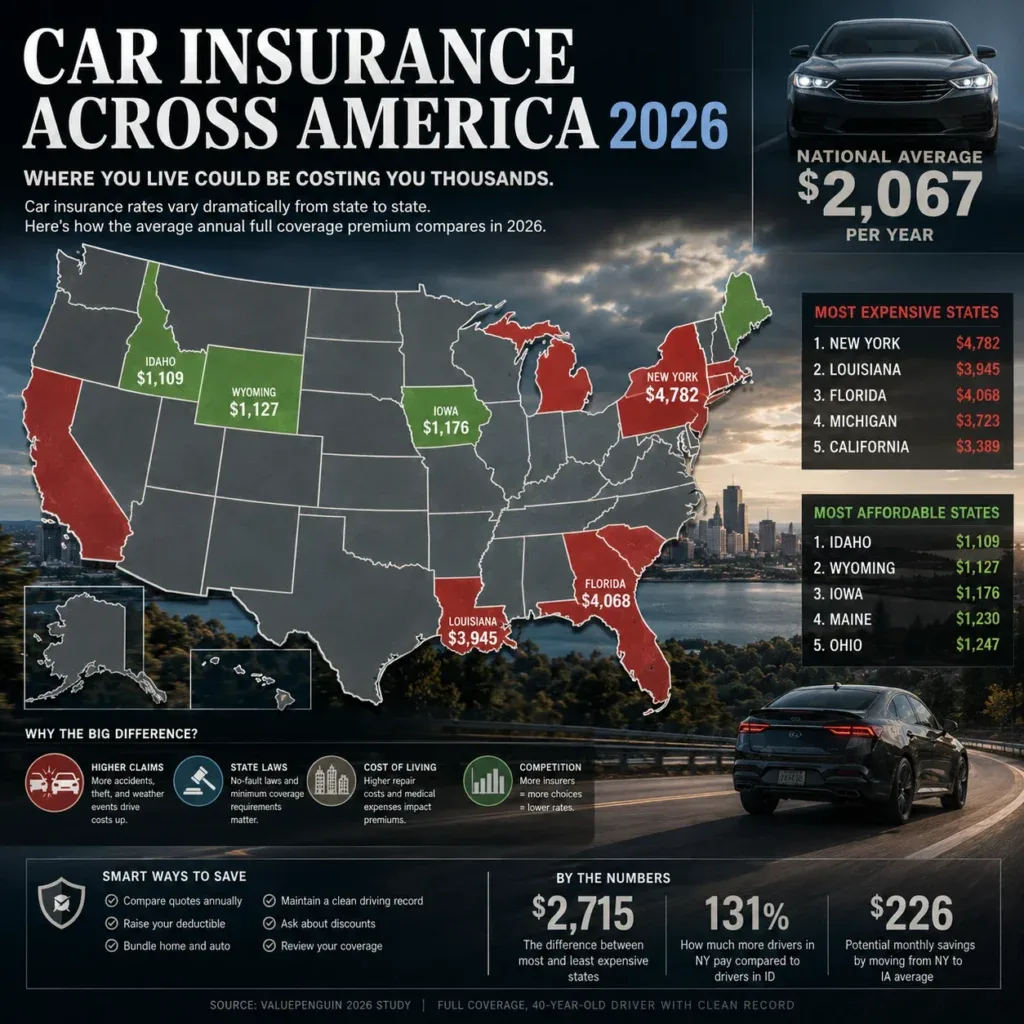
A luxury vehicle insured in rural Iowa may cost dramatically less than the exact same vehicle insured in Los Angeles or Miami.
That’s one of the biggest mistakes buyers make.
They read a national average.
Then assume it applies to them.
Insurance doesn’t work that way.
Local accident rates.
Theft rates.
Repair costs.
Traffic density.
All influence pricing.
That’s why two owners driving identical vehicles can receive very different quotes.
Also Read:
https://driveglobalnews.in/10-vehicles-with-the-lowest-ownership-costs-in-america/ – Vehicles that help owners spend less long after purchase day.
The Insurance Mistake Luxury Buyers Make
Many people stretch their budget to afford the vehicle.
Then get surprised by everything that comes afterward.
Insurance.
Tires.
Maintenance.
Registration.
Luxury ownership extends far beyond the monthly payment.
The smartest buyers calculate all of it before purchasing.
Not because they can’t afford surprises.
Because they prefer avoiding them.
Which Luxury Brands Are Usually Easier To Own?
While every model differs, brands known for strong reliability often create fewer ownership headaches.
Lexus stands out here.
Some Acura models do as well.
That doesn’t automatically mean lower insurance costs.
But lower long-term ownership costs often make the entire financial picture more attractive.
And that matters.
Especially for buyers planning to keep a vehicle for many years.
The Real Cost Of Luxury
Luxury isn’t just about leather seats.
Or premium audio systems.
Or impressive badges.
It’s about the complete ownership experience.
Insurance is part of that experience.
Ignoring it can turn an exciting purchase into an expensive surprise.
Understanding it can make ownership far more enjoyable.
The Day After Delivery
Most people remember the day they bring home a luxury car.
The photos.
The excitement.
The feeling of accomplishment.
What they rarely remember is the insurance bill arriving a few weeks later.
Yet that bill continues showing up year after year.
That’s why smart luxury buyers don’t ask only one question.
They don’t ask:
“Can I afford this car?”
They ask:
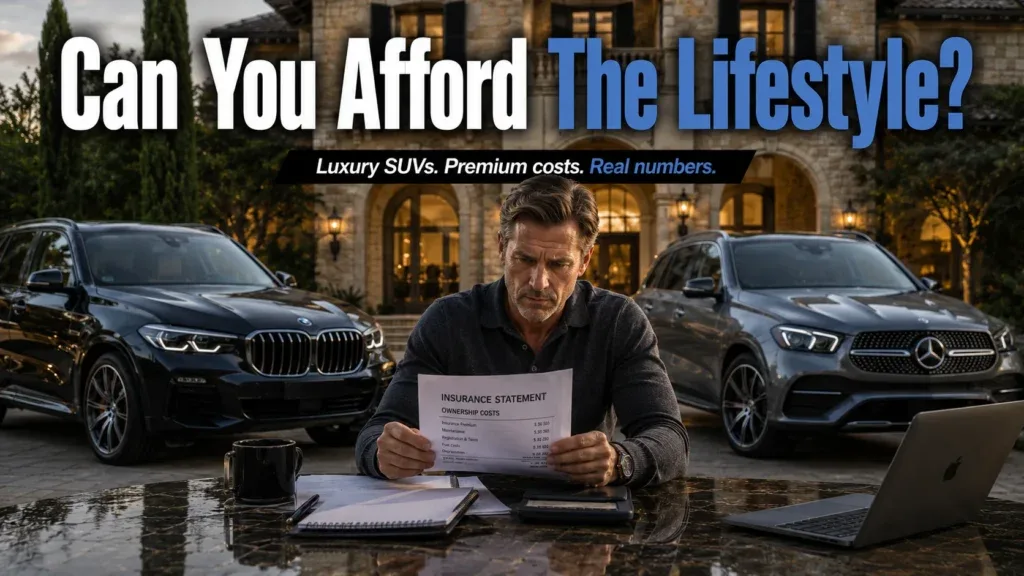
“Can I comfortably afford this car’s entire lifestyle?”
Because in the luxury world, that’s where the real ownership story begins.
And in many cases, the insurance company becomes part of that story long before the first oil change ever does.