
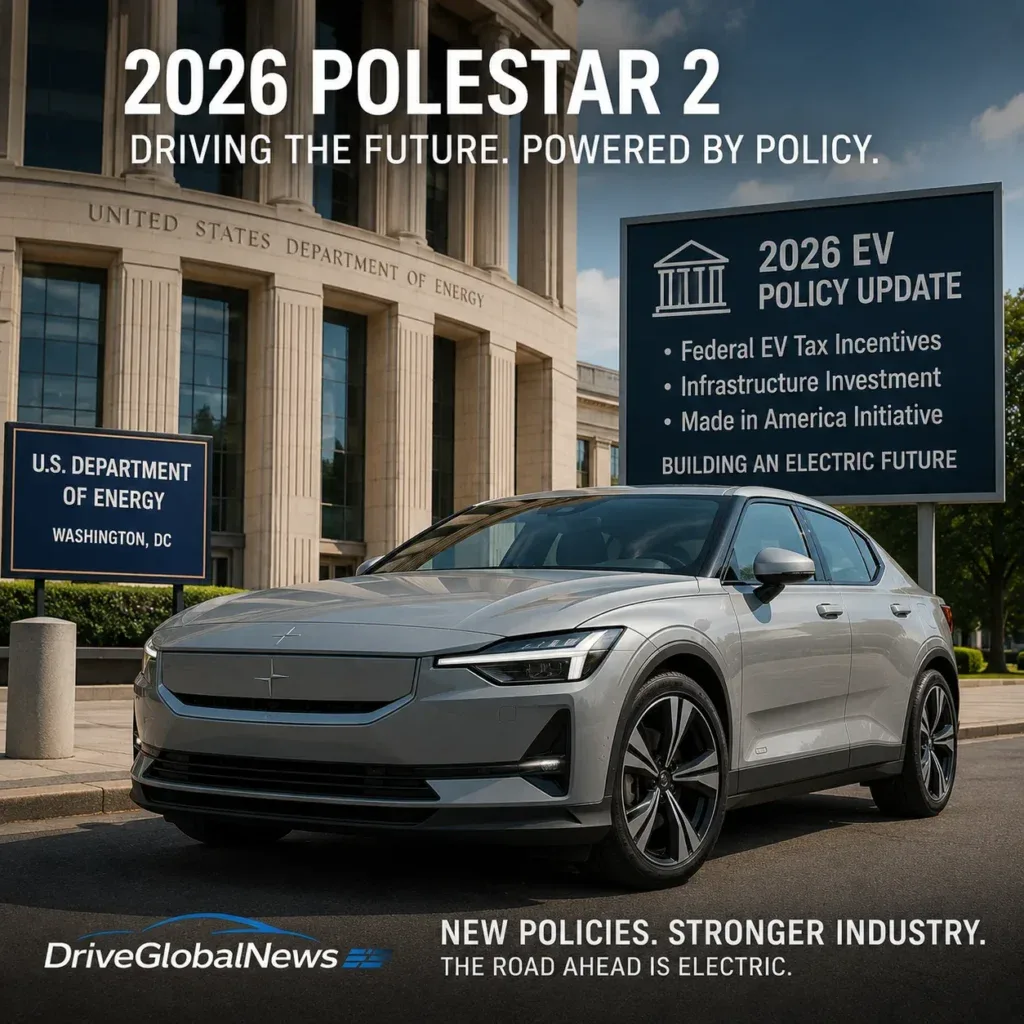
Polestar, the Swedish electric car brand owned by China’s Geely, just received some very bad news. The U.S. government has announced a ban on Polestar vehicle sales in America starting in 2027.
This move is part of broader efforts to restrict Chinese-linked EV makers from the U.S. market. Here’s what it means.
What Exactly Happened
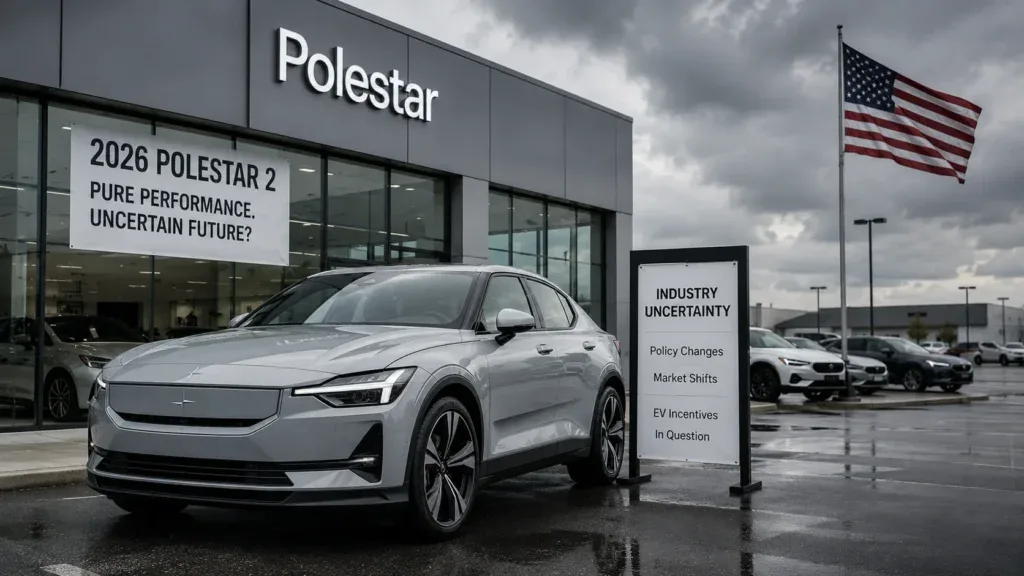
The ban targets vehicles with significant Chinese manufacturing or component content. Polestar, despite being headquartered in Sweden, relies heavily on Chinese supply chains and production. As a result, new Polestar vehicles will no longer be legally sold in the United States beginning 2027.
Current owners will still be able to drive and service their cars, but new sales will stop.
Why the Government Is Taking This Step
This decision is driven by national security concerns, protecting domestic auto manufacturing, and reducing dependence on Chinese technology and supply chains. Similar restrictions have been placed on other Chinese EV brands.
Polestar’s rapid growth in the U.S. made it a visible target for these new rules.
Impact on Polestar
This is a major blow for the brand. The U.S. is one of the most important luxury EV markets in the world. Losing access will hurt sales, brand visibility, and long-term growth plans.
Polestar has been praised for its stylish designs (especially the Polestar 2 and upcoming models), but the ban will force the company to rethink its strategy for North America.
What This Means for American Car Buyers
For buyers interested in Polestar vehicles, the window to buy is closing fast. If you’ve been considering a Polestar 2 or future models, you’ll need to act before the ban takes effect.
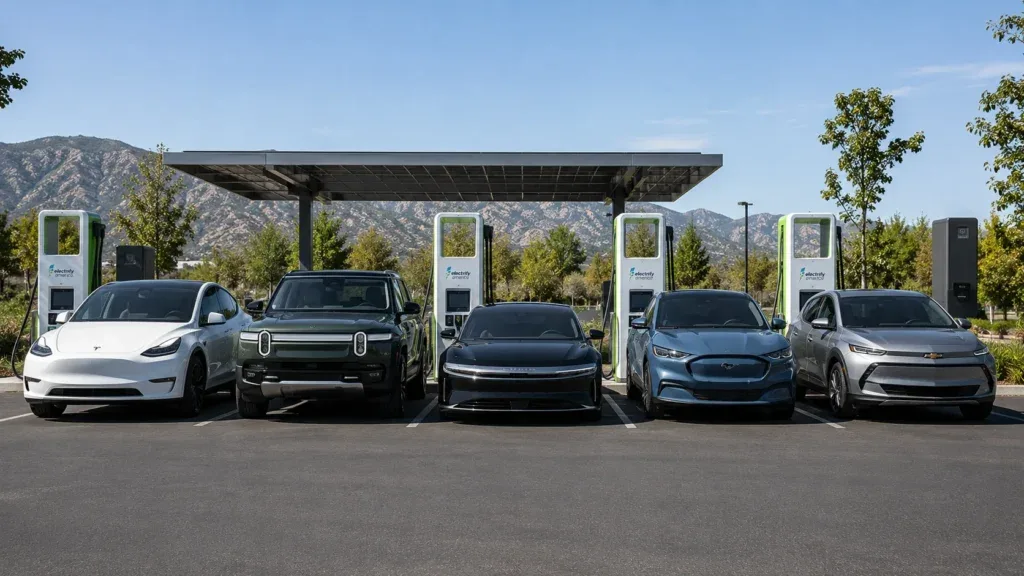
On a broader level, this move is expected to benefit American and allied EV makers like Tesla, Rivian, Lucid, Ford, and GM by reducing competition from Chinese-linked brands.
The Bigger Picture
This ban is part of a larger trend of increasing trade tensions and efforts to build a more secure domestic EV supply chain. While it protects U.S. interests, it also means fewer choices for consumers in the short term and potentially higher prices in some segments.
The Bottom Line
The government’s decision to ban Polestar sales starting in 2027 marks another significant shift in the American EV market. While Polestar has impressed many with its design and performance, geopolitical and economic realities are now limiting its future in the U.S.
If you’re shopping for an EV or any new car this year, make sure you understand how your ZIP code affects car insurance rates in 2026 — the difference can be huge. And check our recent article on best cars to buy in July 2026 for current deals before inventory and options change further.
What do you think about the Polestar ban — fair protection or too restrictive? Share your thoughts in the comments below.