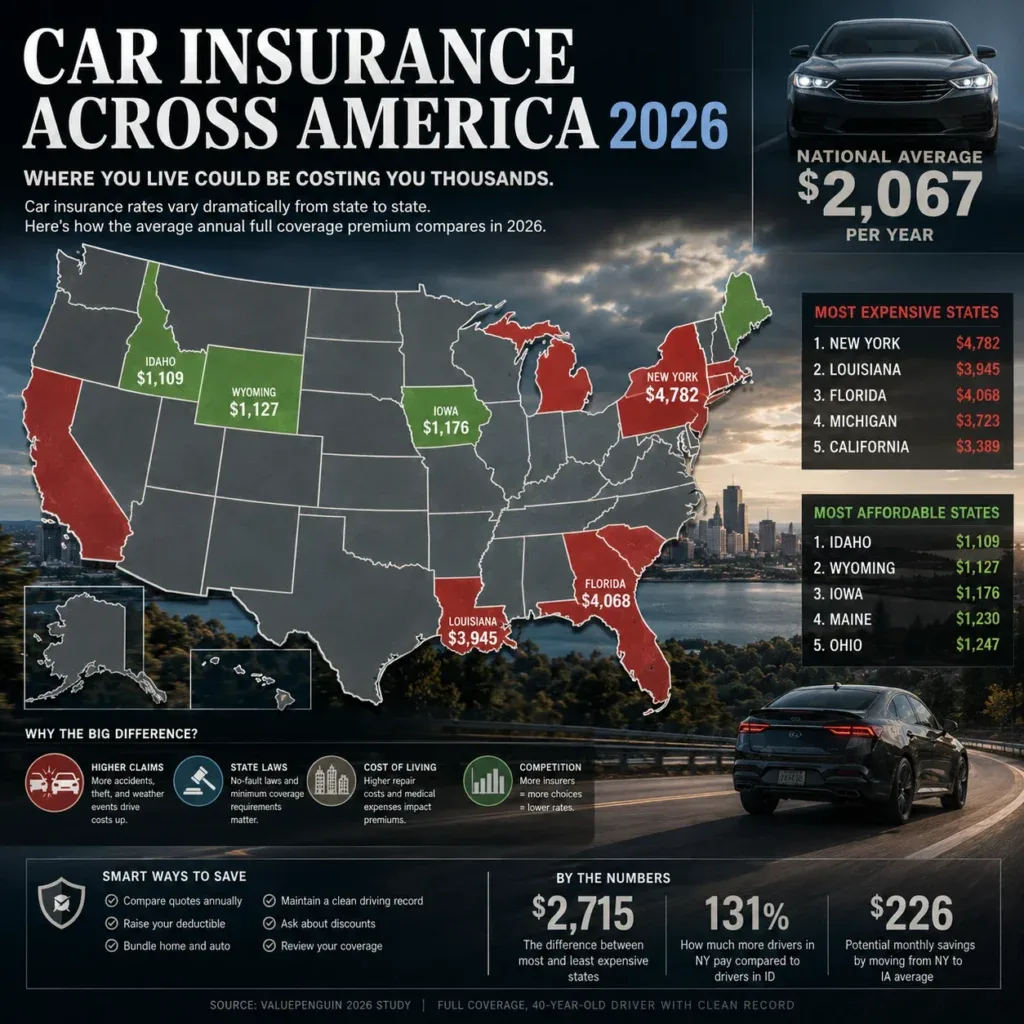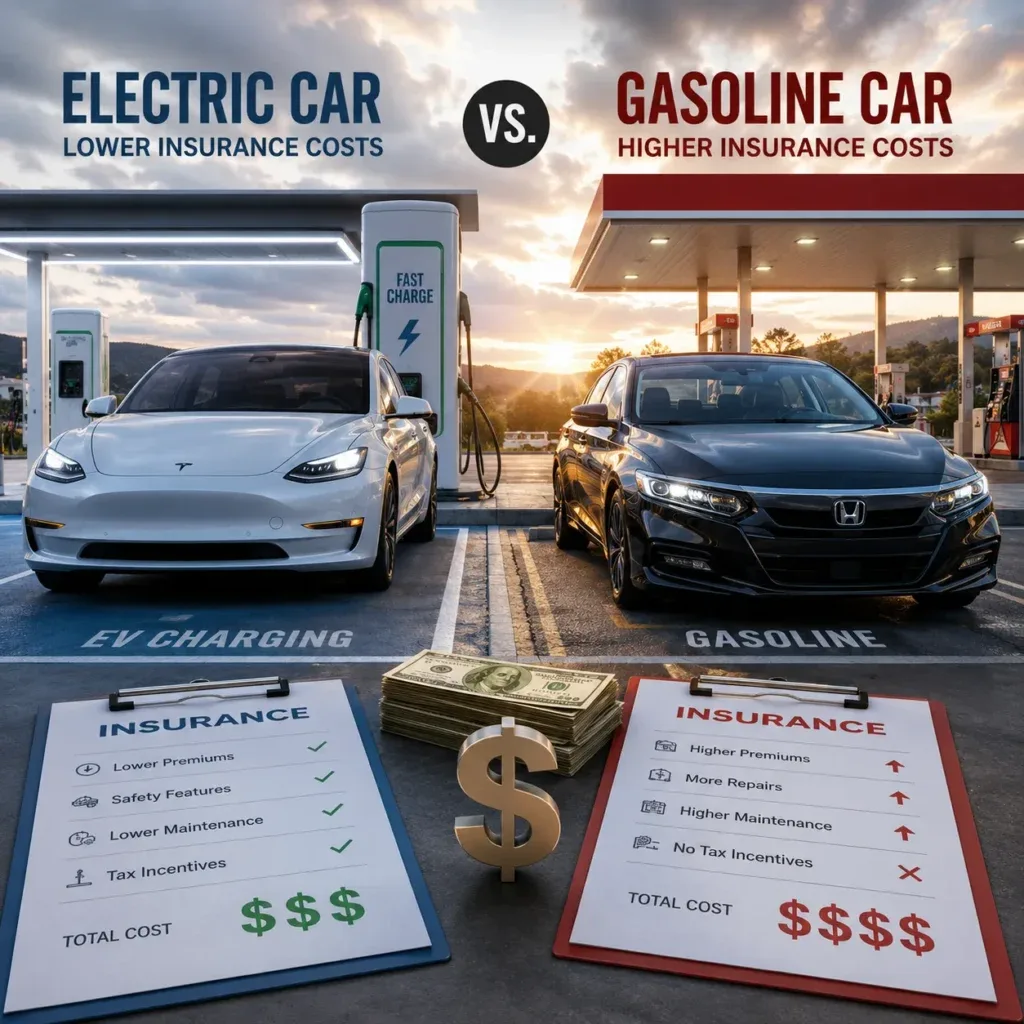

Where you live has a massive impact on how much you pay for car insurance. In 2026, the difference between the cheapest and most expensive states can easily exceed $2,000–$3,000 per year for the same driver and vehicle.
Here’s a clear breakdown of car insurance rates by state in 2026, including the cheapest and most expensive states.
The Cheapest States for Car Insurance in 2026
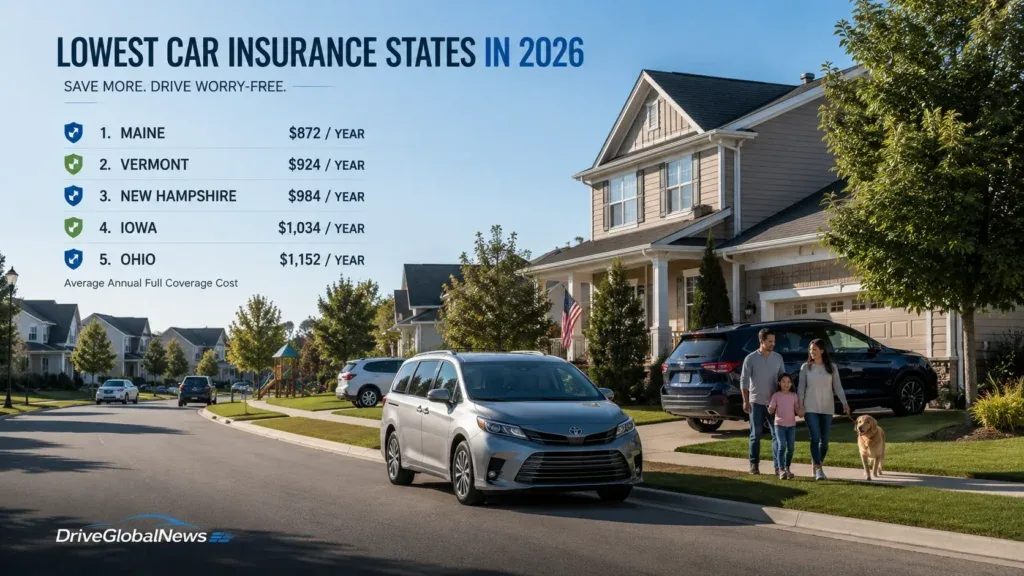
- Ohio — Often the cheapest state overall, thanks to low accident rates, moderate population density, and competitive insurance markets.
- Maine — Rural roads, lower theft rates, and fewer severe weather events help keep premiums low.
- Idaho — Similar advantages to Maine with low population density and fewer claims.
- North Dakota — Low traffic in many areas helps control costs.
- South Dakota — Another rural state with favorable insurance statistics.
Drivers in these states can often find full coverage for well under $1,800 per year on average.
The Most Expensive States for Car Insurance in 2026
- Florida — High accident rates, dense population, fraud issues, and hurricane risks make it one of the priciest states.
- Louisiana — High claim frequency and severe weather drive up costs.
- Michigan — No-fault insurance laws and high medical costs keep rates elevated.
- New York — Dense urban areas, high repair costs, and theft rates push premiums higher.
- California — Expensive repairs, high population density, and wildfire risks contribute to high averages.
In these states, full coverage can easily exceed $3,500–$5,000+ per year for many drivers.
Why the Huge Difference?
Insurance companies use your ZIP code and state to calculate risk based on:
- Accident frequency
- Theft and vandalism rates
- Natural disaster exposure
- Repair costs and medical expenses
- Traffic density and road conditions
A driver with a clean record in Ohio can pay dramatically less than someone with the same record in South Florida.
Tips to Lower Your Rates No Matter Where You Live
- Shop around every year — rates vary significantly between companies
- Raise your deductible if you can afford it
- Take advantage of discounts (multi-policy, safe driver, telematics)
- Choose an insurance-friendly vehicle
- Maintain good credit
- Ask about usage-based insurance programs
The Bottom Line
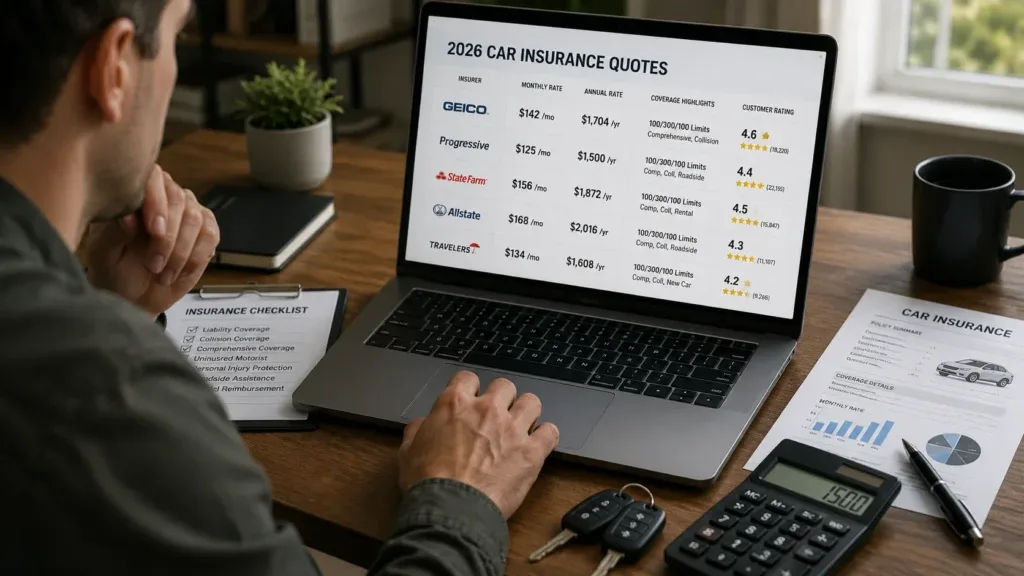
In 2026, your state and ZIP code remain two of the biggest factors in determining car insurance costs. The difference between the cheapest and most expensive states is massive and directly affects your wallet every month.
While you can’t easily change your state, you can control other factors and shop aggressively to minimize the impact of where you live.
If you recently had an accident, check our guide on car insurance after an accident in 2026 — rates can spike even more depending on your location. And if you’re looking for vehicles that are generally cheaper to insure, see our article on 5 cars with the cheapest insurance in America right now.
Which state do you live in, and how do your insurance rates compare? Share your experience in the comments below.