For years Tesla sat near or at the top of U.S. automotive brand loyalty rankings. Owners kept coming back. Then the numbers shifted.
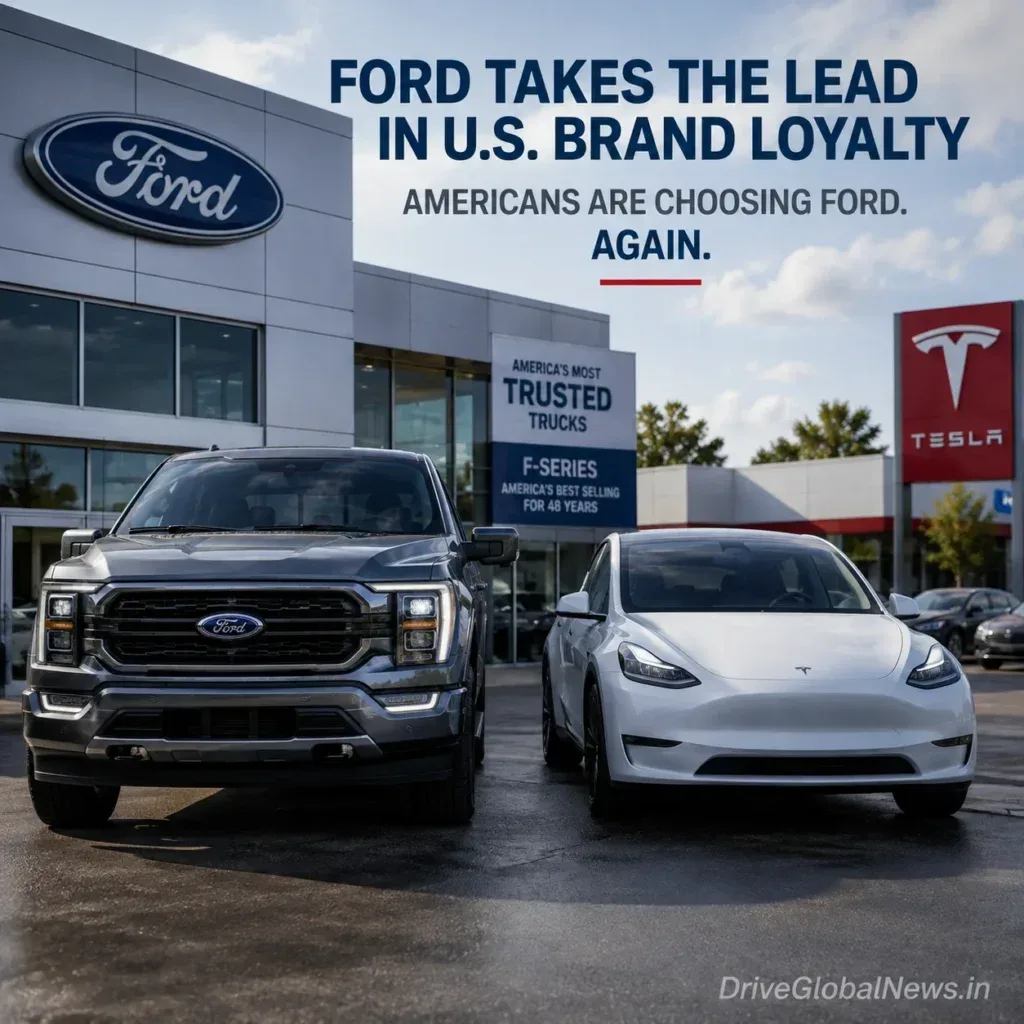
In S&P Global Mobility data covering the first half of 2025, Ford’s loyalty rate moved ahead of Tesla’s. Nearly 60% of shoppers who traded in a Ford bought another Ford. Tesla’s rate dropped into the high 50s after previously leading by a wider margin. The change was notable enough that analysts called the speed of Tesla’s decline unusual.
What the Numbers Actually Showed
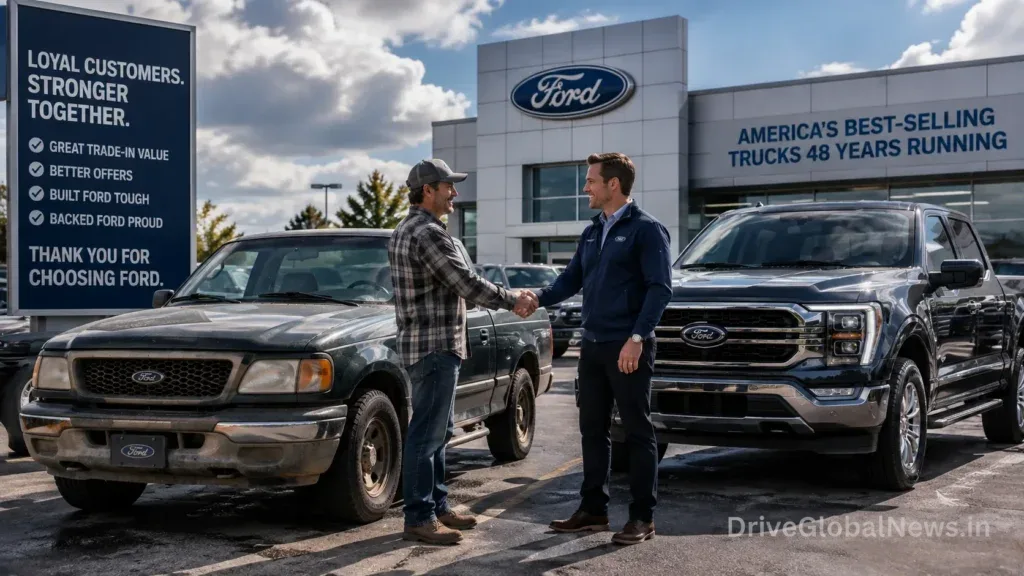
Brand loyalty here measures how often owners of a given make buy another vehicle from the same brand when they replace their car. Industry averages usually hover around the low-to-mid 50% range.
Ford’s strength has long been concentrated in trucks. The F-Series consistently posts some of the highest model-level loyalty rates in the industry — often in the mid-60% range. When a large share of your sales comes from a product people refuse to leave, the overall brand number stays high.
Tesla’s rate had been among the highest in the industry for several years, supported by the ownership ecosystem, over-the-air updates, Supercharger access, and the driving experience. That edge narrowed as more owners shopped elsewhere.
The Surprising Part
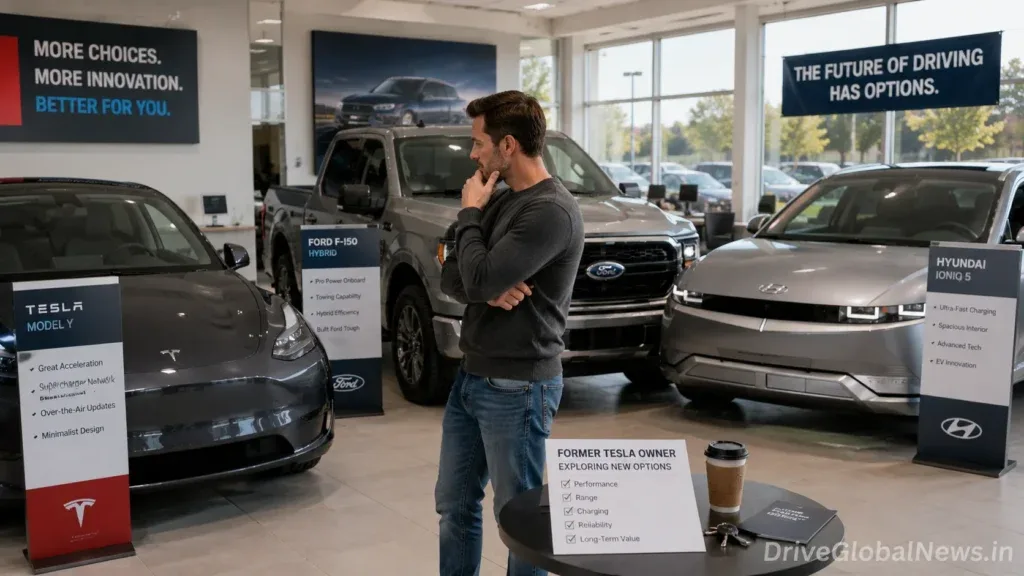
The drop for Tesla wasn’t driven only by better competing EVs. A meaningful portion of former Tesla owners who left the brand moved to gasoline or hybrid vehicles rather than another electric. At the same time, some of the movement tracked periods of heightened public controversy around the company’s CEO and related political activity — a factor analysts noted as unusually sharp for a loyalty ranking.
Ford, meanwhile, kept doing what it has done for decades: sell trucks that owners treat almost like a lifestyle choice. The F-Series remains America’s best-selling vehicle year after year, and that repeat-purchase behavior carries the brand’s overall loyalty score.
Later 2026 snapshots from different studies have shown Tesla reclaiming the top spot in some monthly or half-year readings. Rankings can move quickly. Still, the period when Ford sat ahead highlighted two realities: Tesla’s once-commanding loyalty lead is no longer automatic, and Ford’s truck-driven customer base remains one of the most stubborn in the industry.
Why It Matters
Loyalty numbers aren’t just vanity metrics. High retention means lower customer acquisition costs, stronger residual values, and a more predictable sales base. For Ford, the F-Series continues to do heavy lifting. For Tesla, the data underscored that even a strong product ecosystem can lose ground when external factors and growing competition combine.
The market is more fluid than it was a few years ago. Owners have more EV choices, more hybrid options, and clearer alternatives if they’re unhappy with any part of the ownership experience.
Ford didn’t invent a new loyalty formula. It simply kept selling the vehicles a large group of Americans keep buying again. In a ranking that once seemed locked in Tesla’s favor, that proved enough — at least for a stretch — to take the lead.
Would you stick with your current brand on the next purchase, or are you open to switching? What’s the biggest factor that keeps you loyal (or drives you away)?