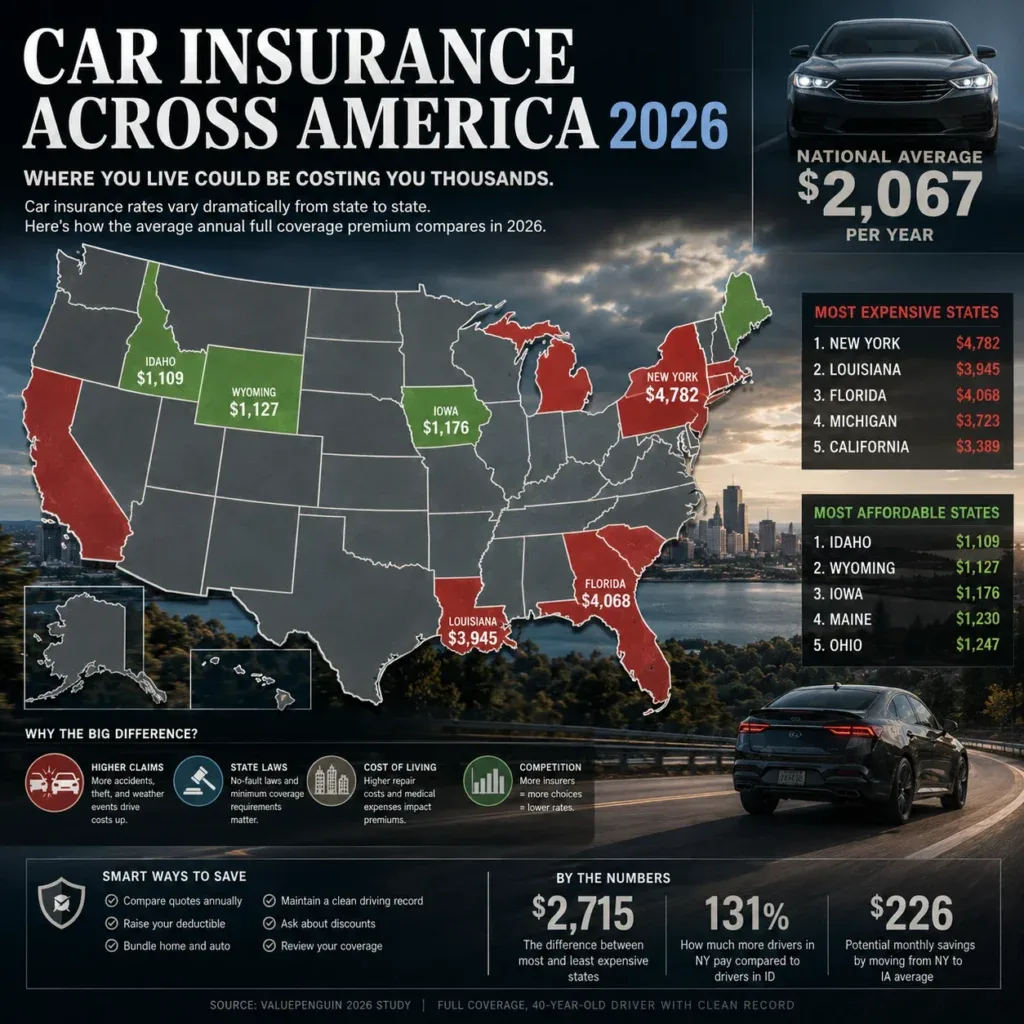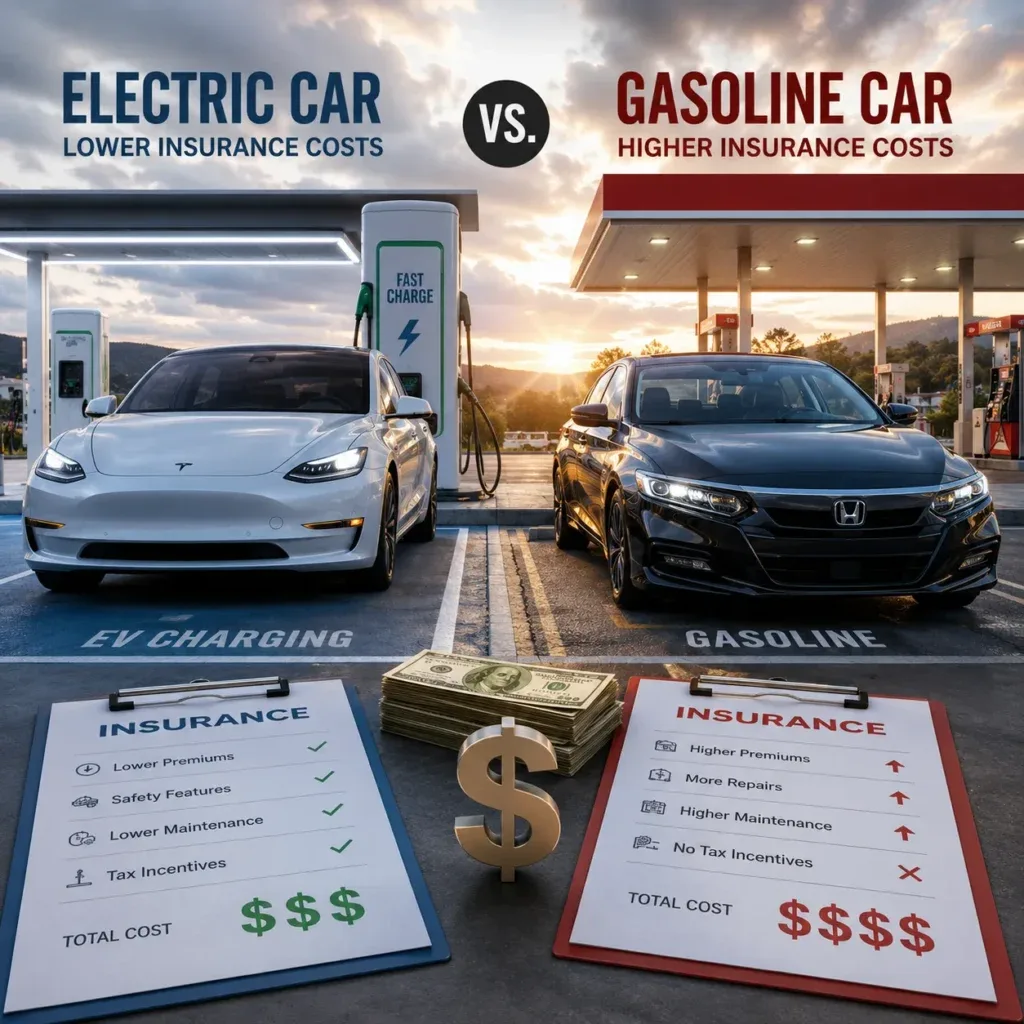
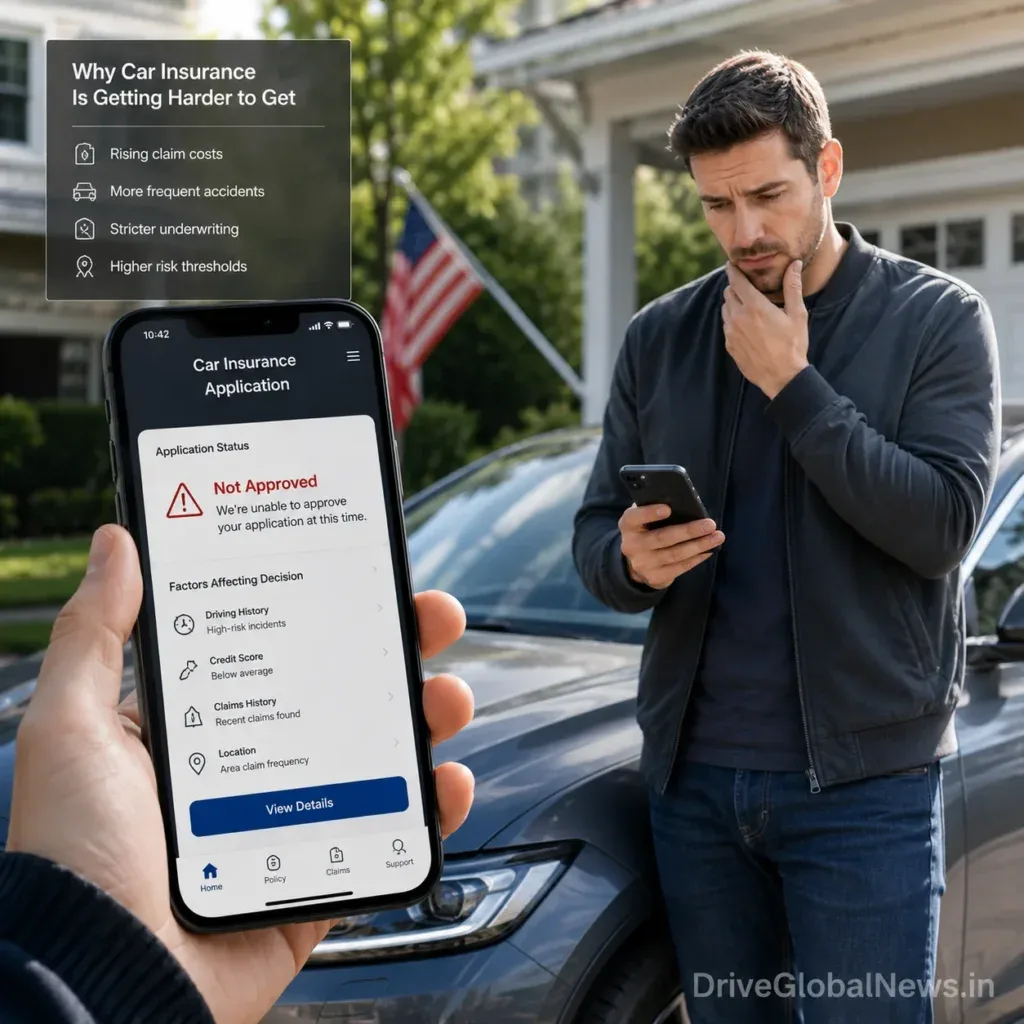
Getting a quote is easy. Getting approved and actually bound for coverage is getting harder for more drivers in 2026.
Insurers have tightened underwriting after years of rising claims costs, repair prices, and fraud concerns. What used to be a quick online approval can now turn into a denial, a much higher premium, or a referral to non-standard (high-risk) markets. Here’s what’s changed and what you can do about it.
Why Approvals Feel Tougher Right Now
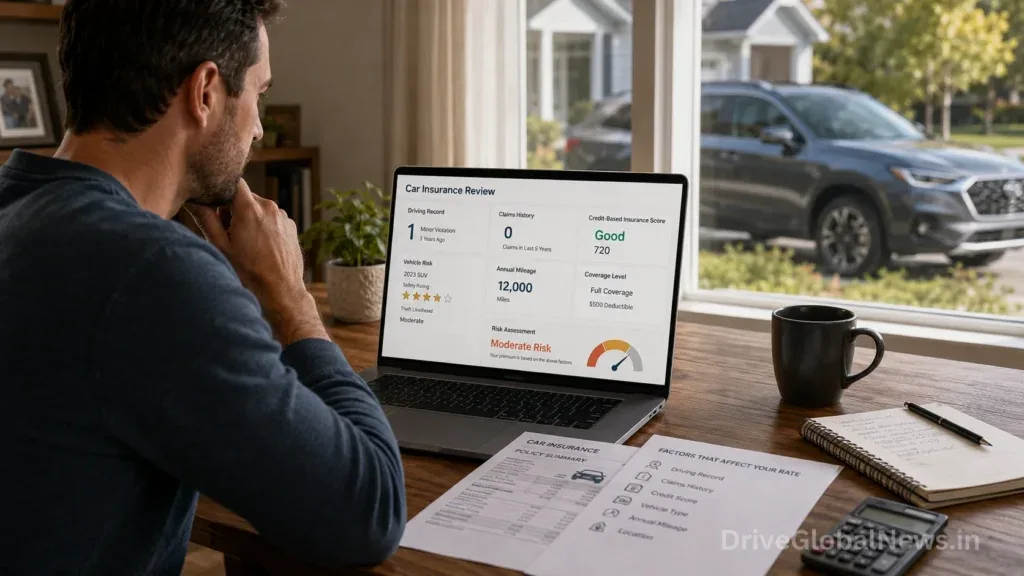
Several pressures are stacking up:
- Driving record scrutiny is stricter. Recent at-fault accidents, multiple tickets, or a DUI remain the fastest path to denial or steep rate increases. Many carriers have less tolerance for even moderate records than they did a few years ago.
- Credit-based insurance scores still matter in most states. Poor or fair credit continues to raise rates significantly and can influence whether some companies will write the policy at all. A handful of states ban or limit the use of credit (California, Hawaii, Massachusetts, Michigan, and others with restrictions), but the majority still allow it.
- Vehicle type and value get closer looks. High-performance, expensive, or high-theft cars face more declines or limited coverage options.
- Claims and lapse history count heavily. Prior claims, especially frequent ones, or gaps in coverage signal higher risk.
- Overall market conditions. After large rate increases in prior years, many carriers are more selective about the risks they take on. Capacity has tightened in some segments.
There isn’t one single “August 2026 rule” that flipped a switch nationwide. Instead, the cumulative effect of higher loss costs, more sophisticated risk models (including AI and telematics data), and ongoing profitability pressure is making standard-market approvals less automatic.
Common Reasons Applications Get Denied
Insurers look at the full picture. Frequent denial triggers include:
- Multiple recent tickets or at-fault accidents
- DUI/DWI convictions
- Poor credit-based insurance score (where allowed)
- High-value or high-performance vehicle
- Prior insurance lapses or non-payment history
- Living in a high-theft or high-claim ZIP code combined with other risk factors
- Limited or no prior insurance history in some cases
One company may decline you while another still offers coverage — underwriting guidelines vary.
What You Can Do If You’re Struggling to Get Approved
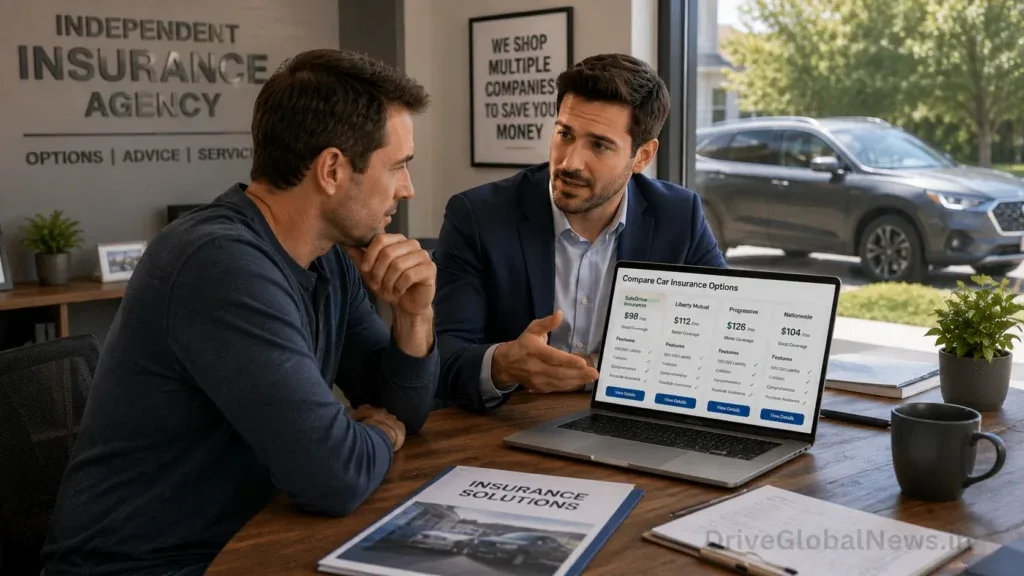
- Shop multiple carriers and use an independent agent. Different companies weigh factors differently. An agent who works with non-standard markets can open more doors.
- Clean up what you can control. Fix errors on your driving record if possible, improve credit where it affects rates, and avoid new tickets.
- Consider usage-based or telematics programs. Some insurers will price you more on actual driving behavior than on traditional factors.
- Look at non-standard / high-risk insurers. These specialize in drivers that standard markets reject. Coverage is more expensive but often available.
- Check state assigned-risk or residual market plans. Every state has a last-resort option if you cannot find private coverage.
- Ask for the specific reason. Most states require insurers to explain a denial. That information helps you address the issue or appeal incorrect data.
The Bottom Line for August 2026
Car insurance remains available for nearly everyone who needs it, but the path to a standard, affordable policy is narrower for drivers with imperfect records, weaker credit, or higher-risk vehicles. Underwriting has become more selective as companies manage costs and risk more carefully.
If you’ve been denied or quoted only very high rates, don’t stop at the first “no.” Compare more options, work with an agent who understands high-risk markets, and focus on the factors you can improve. Coverage is still out there — it just may take more effort and cost more than it used to.
Have you run into approval problems recently, or noticed higher rates despite a clean record? What’s the biggest hurdle you’re facing?