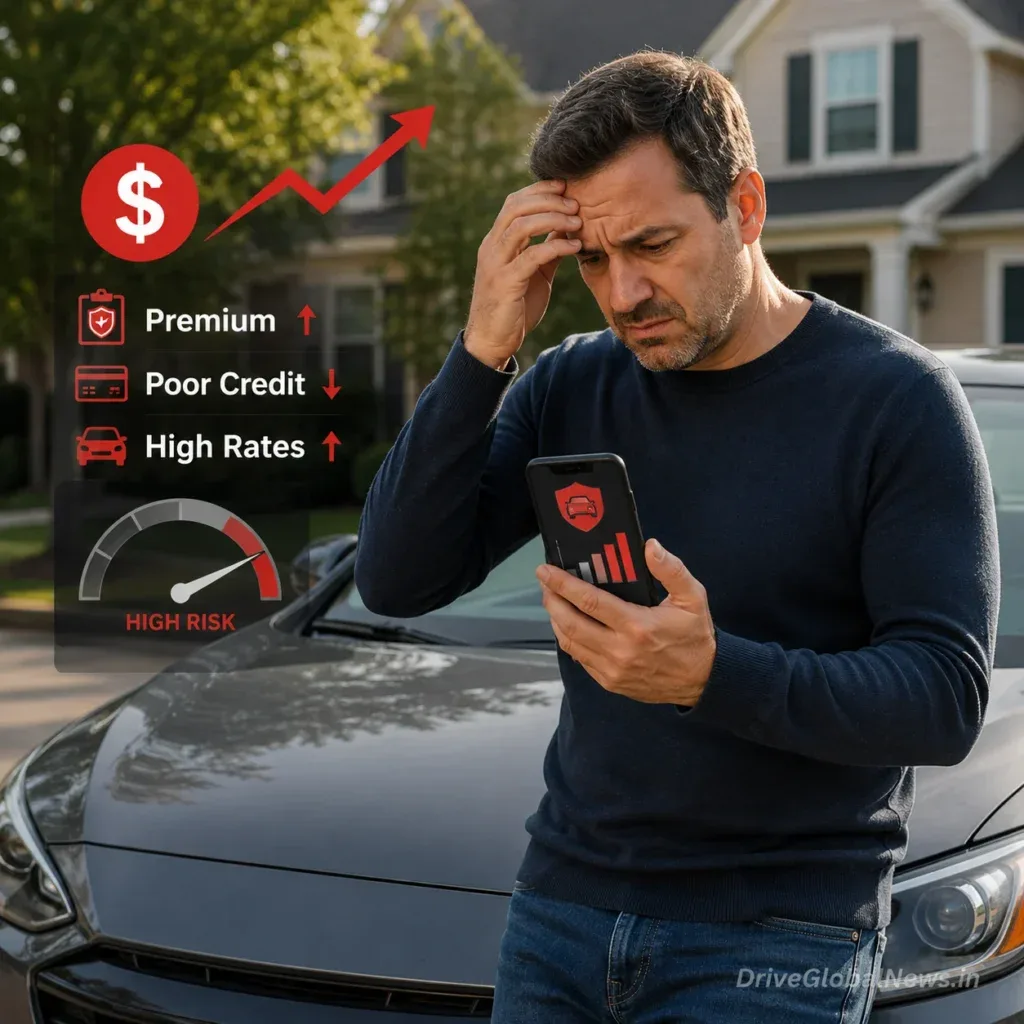
Having bad credit can cost you more in car insurance than a speeding ticket — and in many cases nearly as much as a DUI. In 2026, the gap remains large, and for a lot of drivers it feels completely unfair.
Here’s what the numbers actually show right now.
The Real Cost Difference
Across multiple 2026 analyses, drivers with poor credit (typically under 580) pay substantially more than those with good or excellent credit for the exact same coverage, vehicle, and driving record.
Common findings include:
- Roughly 40% more on average for full coverage compared with excellent credit.
- Annual premiums that run $1,500 to more than $2,200 higher than good-credit drivers in many national averages.
- In some datasets, the gap versus excellent credit stretches past $2,000–$4,000 per year.
- Monthly differences often land between $50 and $200+ depending on the insurer, coverage level, and location.
One consistent theme: the penalty is real and material. Improving from poor to good credit can save hundreds of dollars a year. Jumping all the way to excellent can save even more.
Why Insurers Use Credit
Insurers argue that credit-based insurance scores help predict the likelihood of filing a claim. People who manage credit poorly, the thinking goes, are statistically more likely to have claims. The industry has used these scores for years in most states.
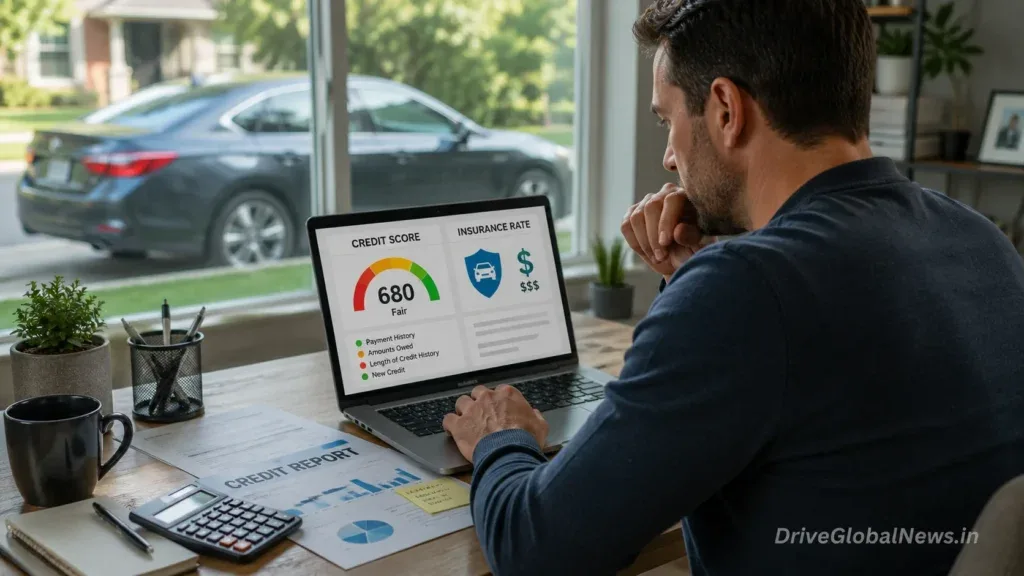
Whether that justification feels fair is a separate question. Your credit history has nothing to do with how carefully you drive. Yet it still heavily influences what you pay in the majority of the country.
It Varies Wildly by Company and State
Not every insurer treats credit the same way. Some apply a relatively modest surcharge. Others hit poor-credit drivers much harder. Shopping around is one of the few practical levers available.
A handful of states ban or sharply limit the use of credit in auto insurance pricing (including California, Hawaii, Massachusetts, and Michigan, among others with restrictions). If you live in one of those states, the credit penalty is smaller or nonexistent. Everywhere else, it remains a major rating factor.
What You Can Do in August 2026
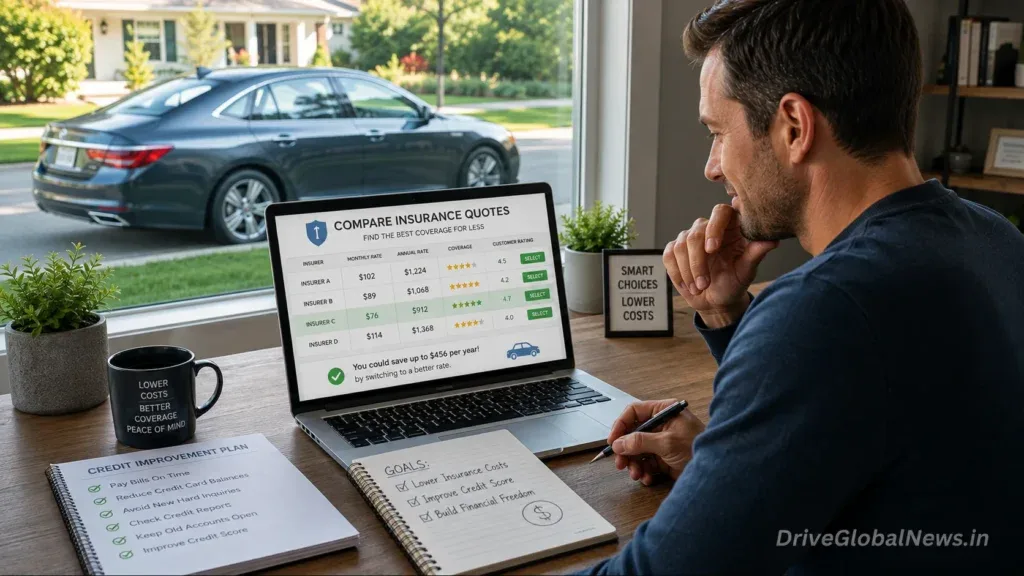
You can’t change the rules overnight, but you can reduce the damage:
- Compare multiple quotes. Different companies weigh credit differently. The cheapest option for someone with poor credit is often not the same company that wins for excellent credit.
- Work on your credit. Paying down balances, fixing errors, and establishing positive payment history can improve your insurance score over time. Even moving from “poor” to “fair” can lower rates at renewal.
- Ask about non-credit factors. Telematics/usage-based programs, defensive driving courses, bundling, and higher deductibles can offset some of the credit-related increase.
- Check your state’s rules. Know whether your state allows credit scoring and whether any reforms are in progress.
- Consider an independent agent. Agents who work with non-standard markets sometimes find better options for higher-risk profiles.
The Bottom Line
In August 2026, bad credit still carries a steep insurance penalty for most American drivers. The exact amount depends on your state, your insurer, and your specific profile, but the difference routinely runs into the thousands of dollars over a few years. That reality is frustrating precisely because it has little to do with how safely you drive.
The system isn’t going away soon in most places. The practical response is to shop aggressively, improve what you can control, and refuse to accept the first quote as final.
Have you seen a big jump in your rates linked to credit, or managed to lower them by shopping around? What’s been your experience?