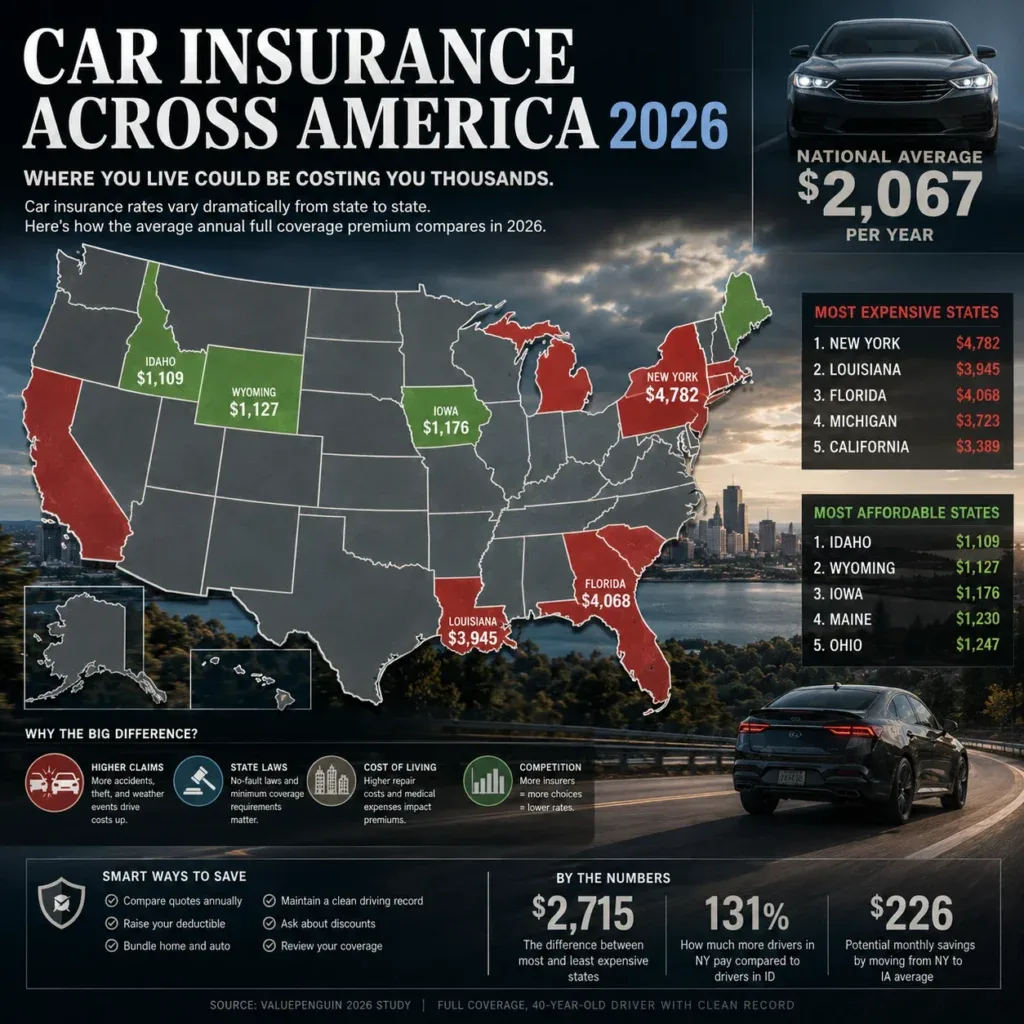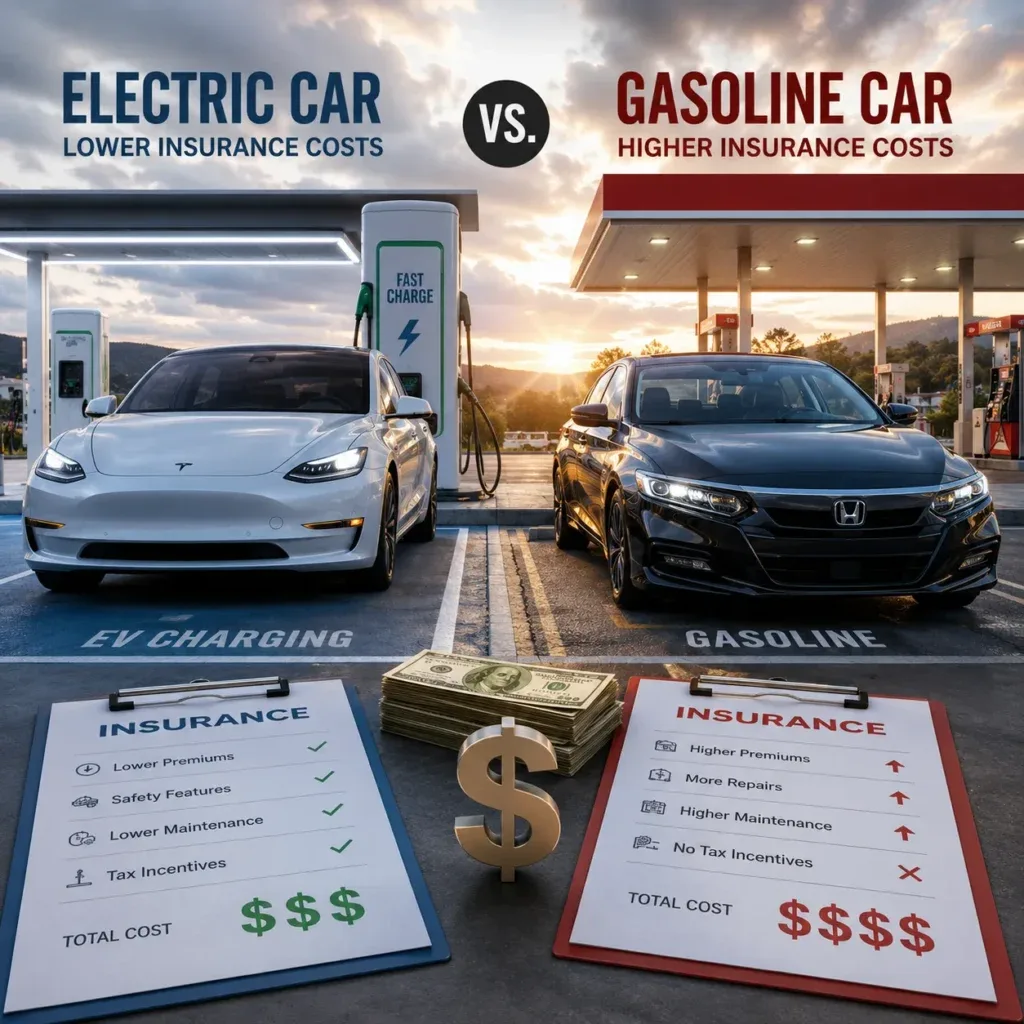
The car you drive has a bigger impact on your insurance bill than many people realize. In August 2026, average full-coverage rates still swing by thousands of dollars a year depending on the make and model.
Here is what current data shows about the cheapest and most expensive vehicles to insure.
The Cheapest Cars to Insure
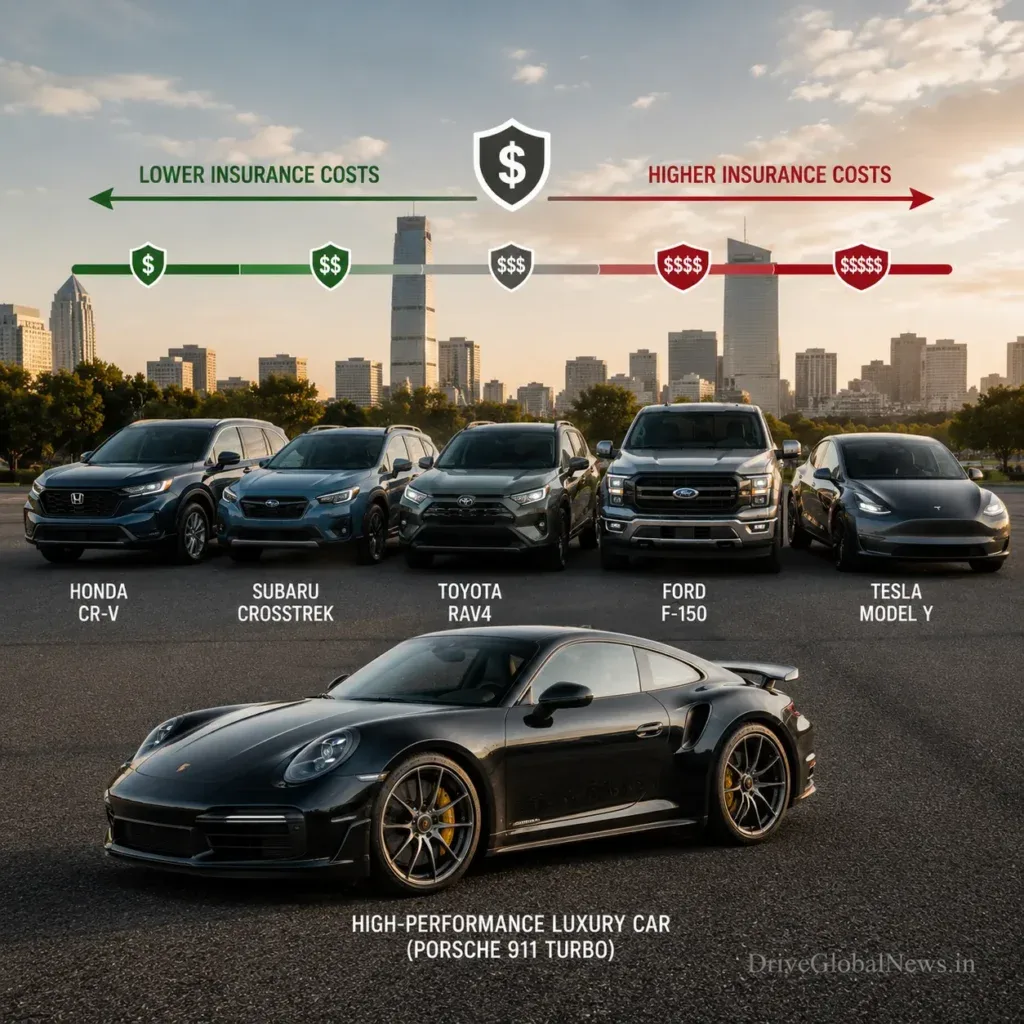
Practical compact and midsize SUVs and crossovers dominate the low end of the insurance spectrum. Models that consistently rank among the least expensive include:
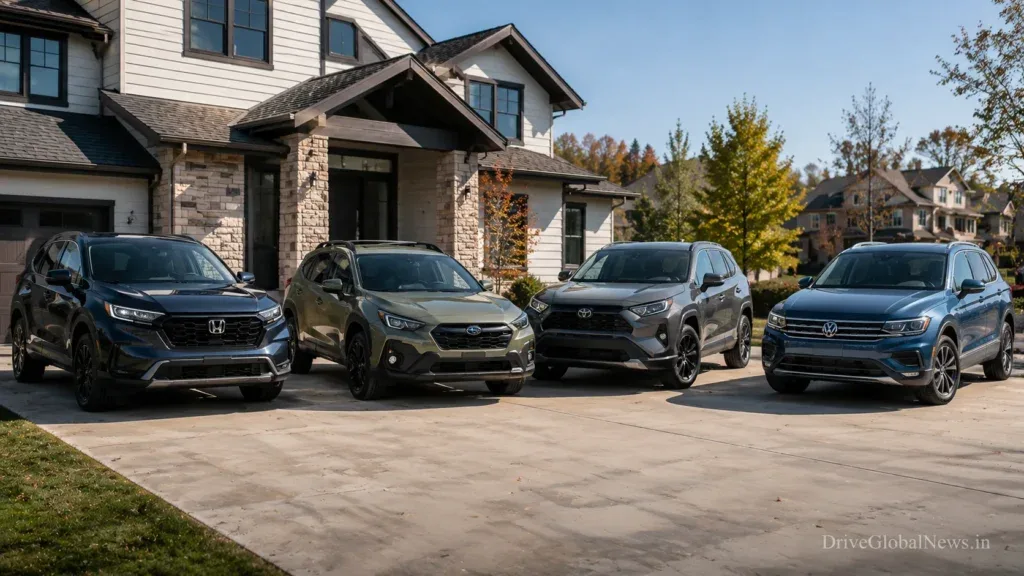
- Honda CR-V
- Subaru Crosstrek, Outback, and Forester
- Volkswagen Taos and Tiguan
- Buick Envista
- Toyota RAV4
- Chevrolet TrailBlazer
Average monthly full-coverage premiums for these vehicles often fall in the low-to-mid $160s to low $200s range, depending on the data source and driver profile. That can put annual costs roughly 20–30% below the national average for many drivers.
These vehicles tend to score well on safety tests, have relatively affordable repair costs, lower theft rates, and attract lower-risk driver demographics. Insurers price that combination favorably.
The Most Expensive Cars to Insure
At the opposite end sit high-performance sports cars, exotic models, and some luxury vehicles. Examples that routinely appear near the top of expensive-to-insure lists include:
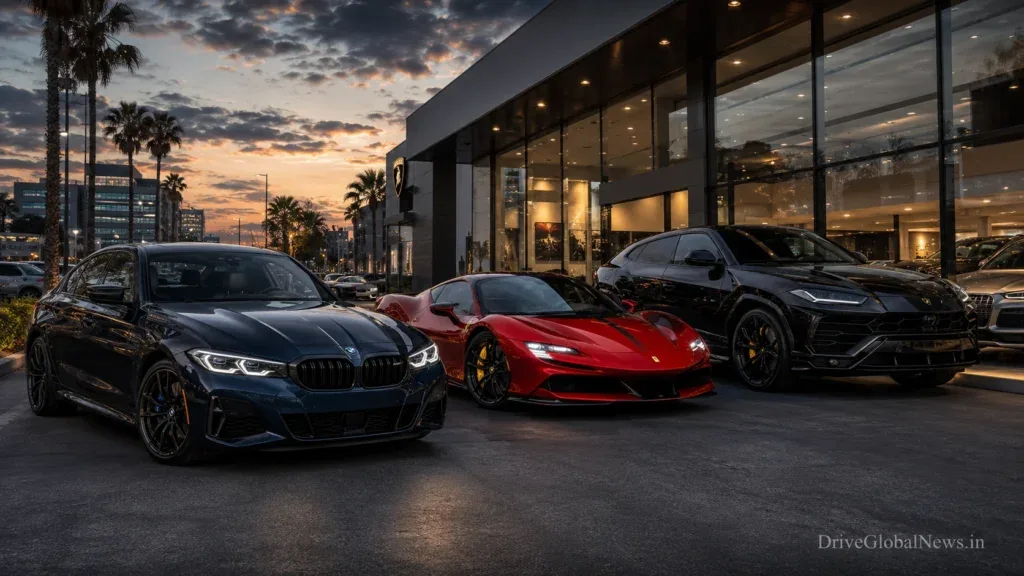
- High-end performance cars (certain BMW M models, Nissan GT-R, McLaren, Ferrari, Lamborghini, and similar)
- Select luxury sedans and SUVs (including some Maserati and Bentley models)
- Certain electric vehicles with high repair costs
Annual premiums for these can run several times higher than the cheapest models — sometimes exceeding $5,000–$10,000 a year for full coverage on the most extreme examples. Even among more mainstream performance or luxury vehicles, monthly rates frequently land in the $250–$350+ range.
Higher sticker prices, expensive parts, complex repair procedures, elevated theft risk, and the driving profiles associated with these cars all push premiums upward.
Where Popular Models Sit
Mainstream full-size trucks such as the Ford F-150, Chevrolet Silverado, and Ram 1500 generally cost more to insure than compact SUVs but less than high-performance cars. Tesla models often land toward the higher side of popular vehicles because of repair costs and parts availability, though rates have moderated somewhat from peak levels in earlier years.
Luxury crossovers and midsize performance sedans typically fall somewhere in between the practical SUVs and the true exotics.
Why the Differences Are So Large
Insurers look at more than just the purchase price. Key factors include:
- Cost and availability of parts
- Repair times and specialized labor
- Safety ratings and real-world crash data
- Theft rates
- Historical claims frequency and severity for that model
- Who typically drives the vehicle
A safe, mass-produced compact SUV with widely available parts will almost always cost less to insure than a low-volume performance car with exotic components.
What This Means for Buyers
If insurance cost is a major concern, the data points clearly toward mainstream compact and midsize SUVs from Honda, Subaru, Toyota, and Volkswagen. Choosing one of these over a high-performance or ultra-luxury model can save hundreds of dollars a year — sometimes more than a thousand.
Rates are still highly personal. Your age, location, driving record, credit (in most states), coverage levels, and deductible will move the final number up or down from these averages. The only way to know your exact cost is to get quotes for the specific vehicles you are considering.
The Bottom Line
In August 2026 the cheapest cars to insure remain practical, high-volume SUVs and crossovers with strong safety records and reasonable repair costs. The most expensive are high-performance and exotic models where parts, repairs, and risk profiles drive premiums sharply higher.
The gap between the two ends of the market is still measured in thousands of dollars per year. Factor that difference into the total cost of ownership before you buy.
Have you compared insurance quotes across different models before deciding on a car, or has the insurance cost surprised you after the purchase?