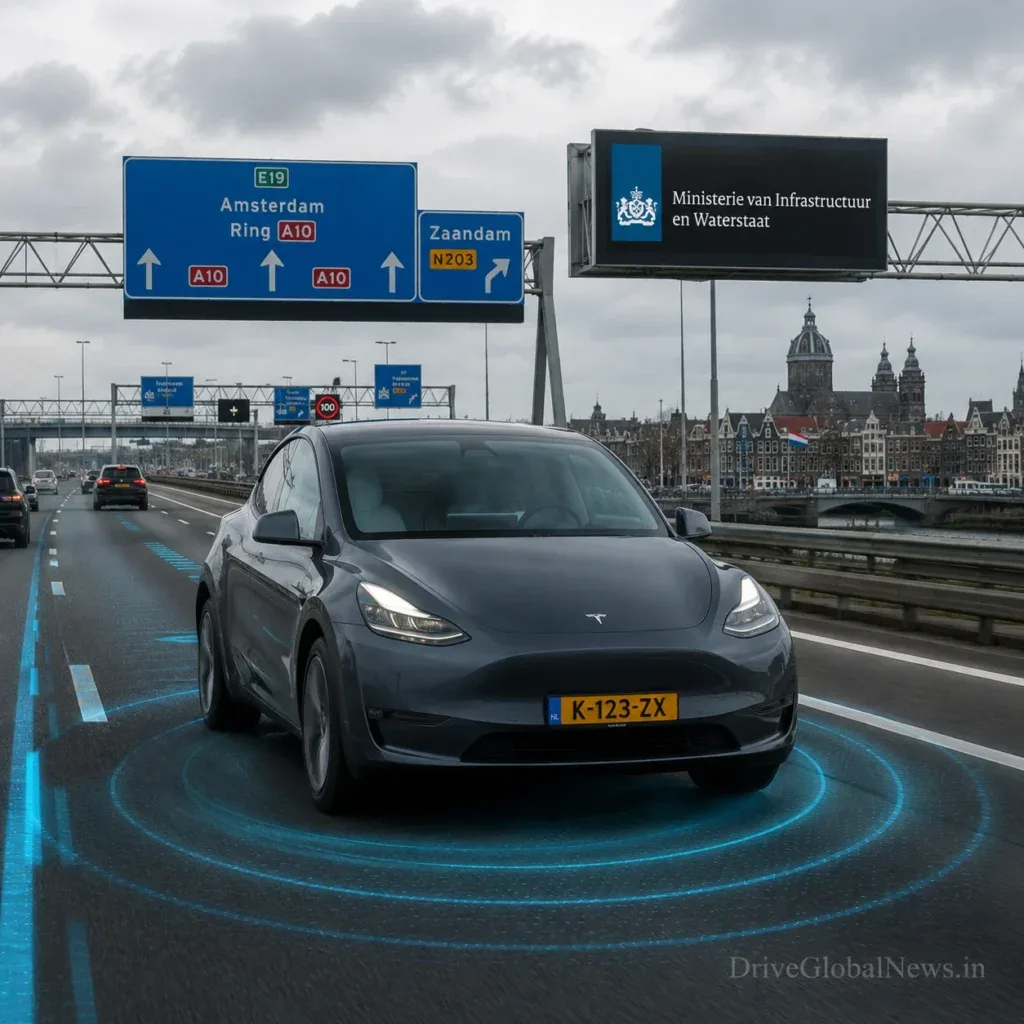
Tesla’s Full Self-Driving system is moving closer to broader approval in Europe. The process, however, is unfolding with unusually limited public information.
In April 2026 the Dutch road authority RDW approved Tesla’s FSD system for use in the Netherlands. That same regulator has since advocated for wider adoption across the European Union. An EU-level vote that could expand the approval is expected as soon as October.
What the public still does not have is a clear explanation of how regulators concluded the system is safe — or access to the underlying testing and safety documentation.
What the Emails Show

Reporting based on previously unpublished email correspondence obtained through public-records requests shows that Tesla began pressing the Dutch regulator in late 2024 to keep FSD safety-review documents confidential. In at least one exchange from April 2025, a Tesla representative sought confirmation that a specific document would “never” be released and asked how the regulator would ensure it remained withheld from public disclosure.
RDW has refused to release details of its evaluation, stating that doing so would violate Tesla’s commercial secrets. That justification closely mirrors the language Tesla used in its own requests. Regulators in several other European countries, including Germany, Denmark, and Norway, have taken a similar position and declined to release related testing information.
Why This Raises Concerns
Driver-assistance and automated driving systems operate in complex real-world conditions. When regulators approve technology that will influence how vehicles behave on public roads, independent scrutiny and public accountability normally play a role in building confidence.
In this case, the safety case supporting a potentially EU-wide rollout is largely inaccessible. Safety advocates have argued that simply asking the public to trust that regulators “did their homework” is not sufficient, especially for a system that has already faced investigations and lawsuits over crashes in other markets.
Trade-secret protections are legitimate for proprietary algorithms and competitive technical details. The question is where the line should be drawn when the material in question underpins a public-safety determination that affects millions of road users.
What Happens Next
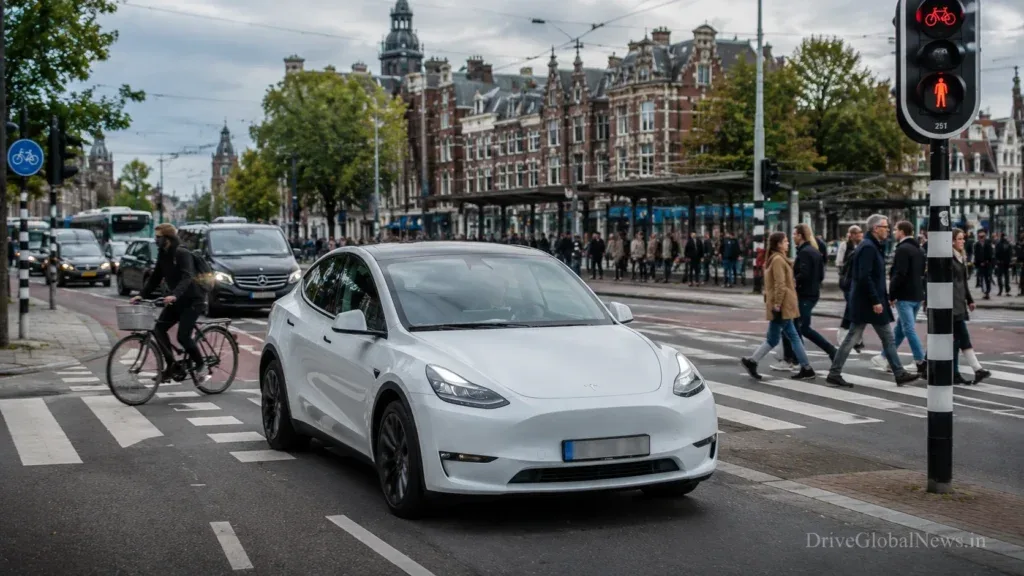
The Dutch approval already allows FSD use under the conditions set by RDW. A broader EU decision would significantly expand the technology’s reach. Without greater transparency around the testing methods, performance data, and residual risks identified during the review, drivers, policymakers, and independent experts will have limited ability to evaluate the decision for themselves.
Tesla maintains that the information constitutes protected commercial secrets. Regulators echo that position. Critics counter that meaningful oversight of automated driving systems requires more openness than is currently on offer.
The Bottom Line
Tesla successfully pushed for confidentiality around the safety documentation tied to its European FSD approval process. The Dutch regulator granted approval and is supporting wider adoption while declining to explain the basis for its conclusions in public. Several other European authorities have followed the same approach.
For a technology that will increasingly share the road with ordinary drivers, the lack of accessible safety data is a legitimate concern. Trust in automated systems depends not only on regulatory sign-off but on the ability of independent parties to examine the evidence behind it.
Whether the upcoming EU vote proceeds with the same level of secrecy will say a lot about how Europe intends to balance innovation, commercial interests, and public accountability on the road to higher levels of vehicle automation.
Do you think regulators should release more of the FSD safety data, or is protecting commercial secrets more important at this stage?