
The most expensive car insurance mistake most Americans make is also one of the easiest to fix: failing to shop around regularly. Studies and industry analyses consistently show that drivers who stay with the same insurer for years without comparing quotes often overpay by hundreds of dollars annually. One realistic average drawn from those findings lands near $847 per year for many full-coverage policies — money that disappears simply because the policy auto-renews.
Why Loyalty Costs So Much Insurers know that most customers do not compare rates every year. Research has found that a large majority of drivers shop infrequently or not at all.
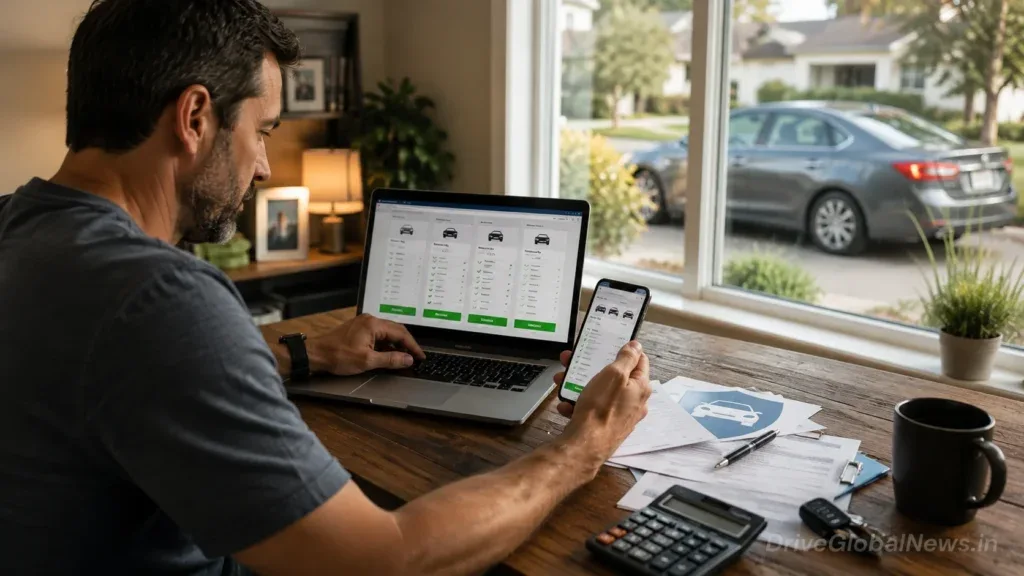
Many assume their current rate is competitive, or they believe switching is complicated. In reality, pricing for identical coverage can vary widely between companies for the same driver, vehicle, and location.
New-customer pricing, competitive promotions, and shifts in underwriting often favor people who are actively shopping. Long-term customers can face gradual rate increases that are never offset by shopping. The result is a quiet “loyalty penalty.” Over several years the difference compounds into thousands of dollars for the same (or sometimes better) coverage elsewhere.
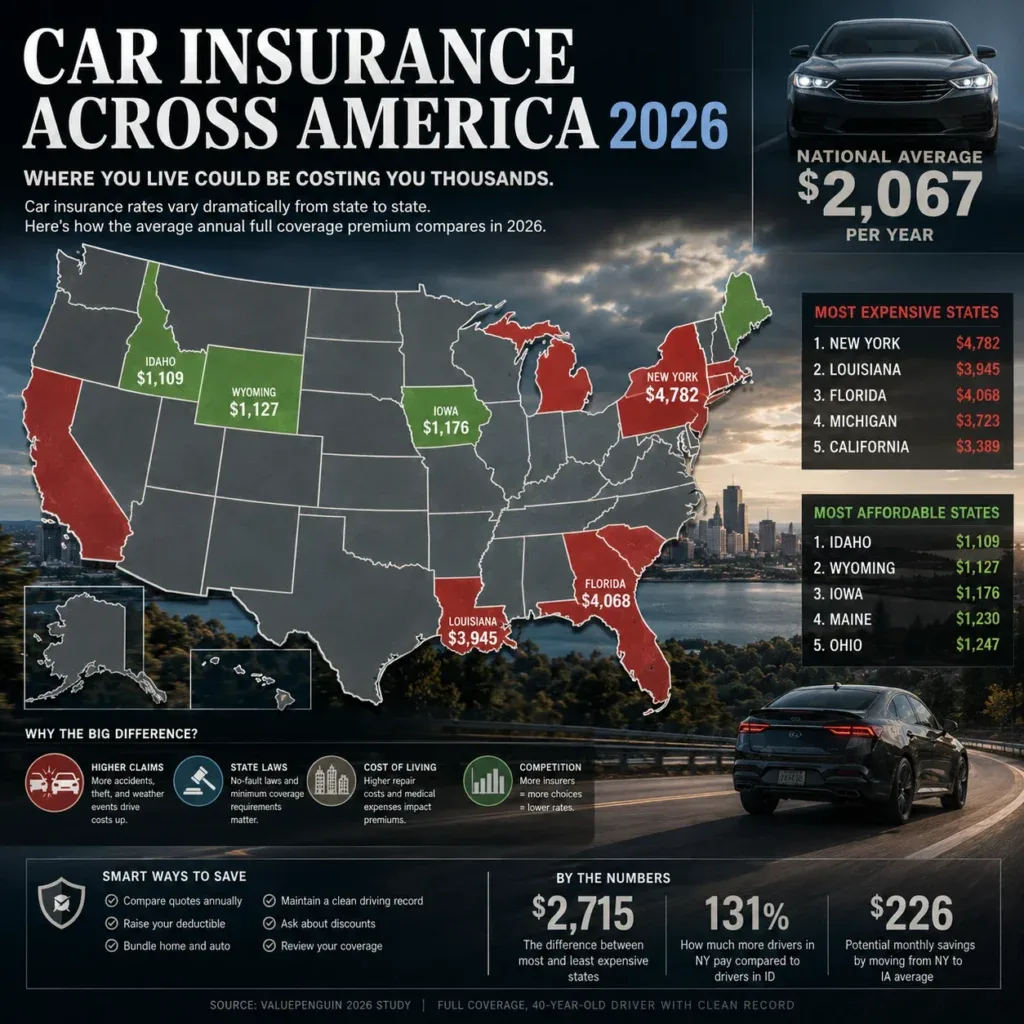
How the $847 Figure Adds Up National full-coverage averages in recent data sit in the low-to-mid $2,000s annually. When drivers who do not shop are compared with those who do, the gap frequently falls in the $500 to $1,100+ range per year depending on the study, state, credit profile, and driving record. An $847 average sits comfortably inside that range for a typical full-coverage policy. Higher-risk drivers or those in expensive states can see even larger differences. Lower-risk drivers still leave money on the table, just usually less of it.
The important point is not the exact dollar amount for every person. It is that the behavior — automatic renewal without comparison — is widespread and consistently expensive.
Other Related Mistakes That Amplify the Cost Not shopping around is the core problem, but it often pairs with related habits:
- Accepting the first renewal offer without asking for a discount review
- Assuming a “loyalty discount” fully offsets competitive new-customer pricing
- Overlooking changes in your own risk profile (improved credit, fewer miles, safer vehicle, or a clean driving record) that other insurers may price more aggressively
- Bundling without verifying that the package is still the best available deal
Each of these keeps you from discovering whether a better rate exists.
How to Stop Overpaying The fix is straightforward and takes less time than most people expect:
- At least once a year — ideally before renewal — get quotes from three or more insurers for the exact same coverage limits and deductibles.
- Include your current insurer in the comparison so you can negotiate or request matching.
- Check after any major change: new car, move, marriage, improved credit, or a clean year of driving.
- Use both direct insurers and independent agents or reputable comparison tools so you see a range of options.
- Verify that the quotes include the same coverages (liability limits, comprehensive, collision, uninsured motorist, etc.) so you are comparing apples to apples.
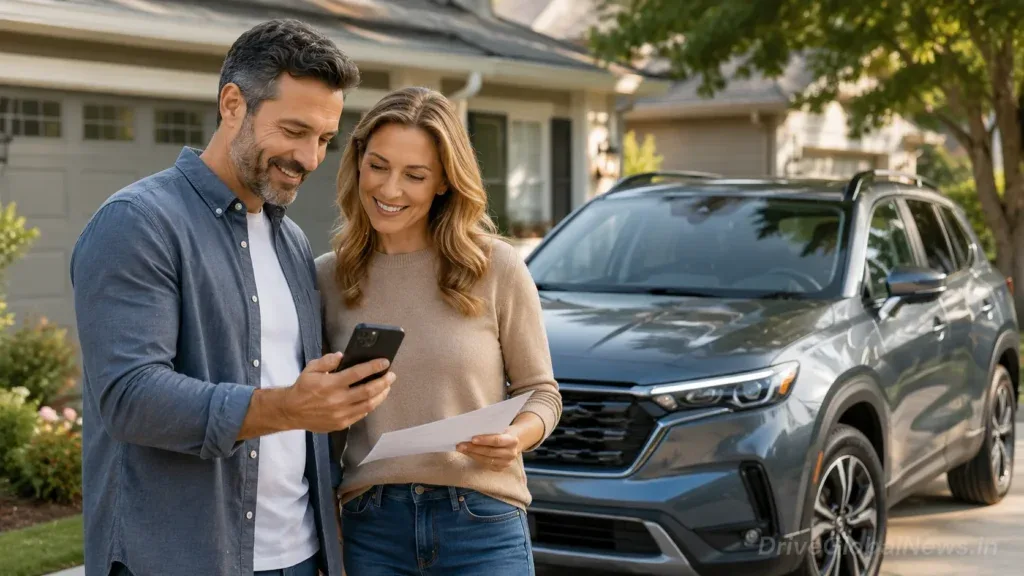
Many people discover savings of several hundred dollars with one afternoon of effort. Some find more.
What About Coverage Quality? Shopping purely for the lowest price can backfire if you drop important protections. The goal is the best combination of price and adequate coverage. Compare the same limits and deductibles first. Then decide whether any differences in claims service, available discounts, or extra features justify a higher premium. Most drivers who shop carefully end up with equal or better coverage at a lower cost.
The Bottom Line The average American who lets car insurance auto-renew year after year without comparing rates is likely overpaying by hundreds of dollars annually — a figure that commonly lands near or above $847 for full-coverage policies. The mistake is not dramatic. It is quiet, automatic, and extremely common. The remedy is equally straightforward: treat renewal as a shopping event rather than a formality.
You do not need to switch every year. You only need to know what the market is offering. Once you have current quotes in hand, the decision becomes clear. Keep your policy if it is still competitive. Move if it is not. Either way, you stop leaving money on the table.
When was the last time you compared your car insurance rate against other companies for the same coverage?