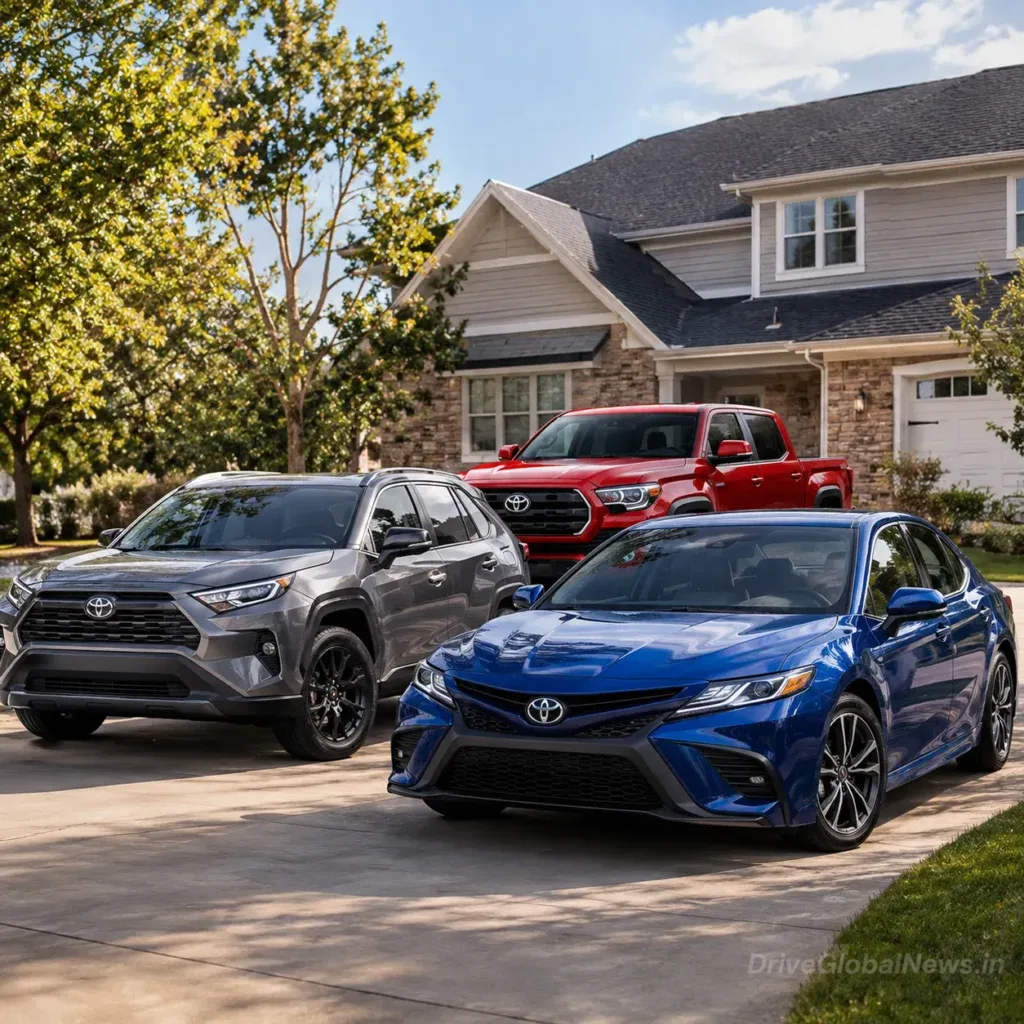
Toyota’s reputation for reliability, strong safety scores, and widespread parts availability shows up clearly in insurance pricing. In 2026, average rates for most mainstream Toyota models sit at or below the broader market average for full coverage, and several popular models rank among the more affordable vehicles to insure in their classes.
What Drivers Actually Pay Across recent 2026 data from major comparison sources, full-coverage insurance for Toyota vehicles commonly falls in a range that works out to roughly $1,300 to $2,000+ per year for a typical adult driver with a clean record, depending on the exact model, location, and coverage details. Some analyses put the brand-level average near $1,400–$1,500 annually for full coverage, while others show higher figures when newer or higher-trim vehicles are included. Minimum-liability policies are naturally lower, often landing in the $500–$700 annual range for the same driver profile.
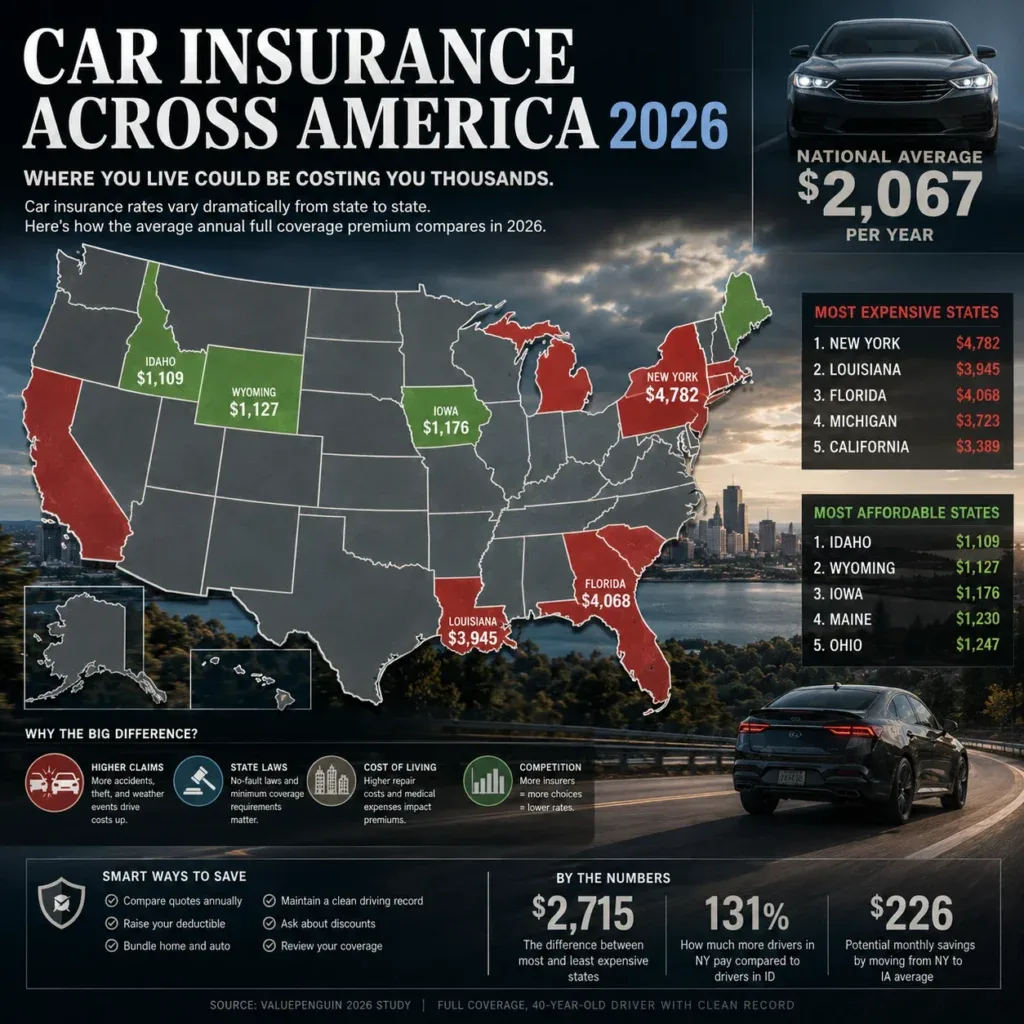
These numbers are averages. Your own quote will vary with age, credit (where allowed), driving record, ZIP code, annual mileage, and chosen deductibles.
Cheapest and More Expensive Toyota Models Among current popular models, several stand out for lower premiums: 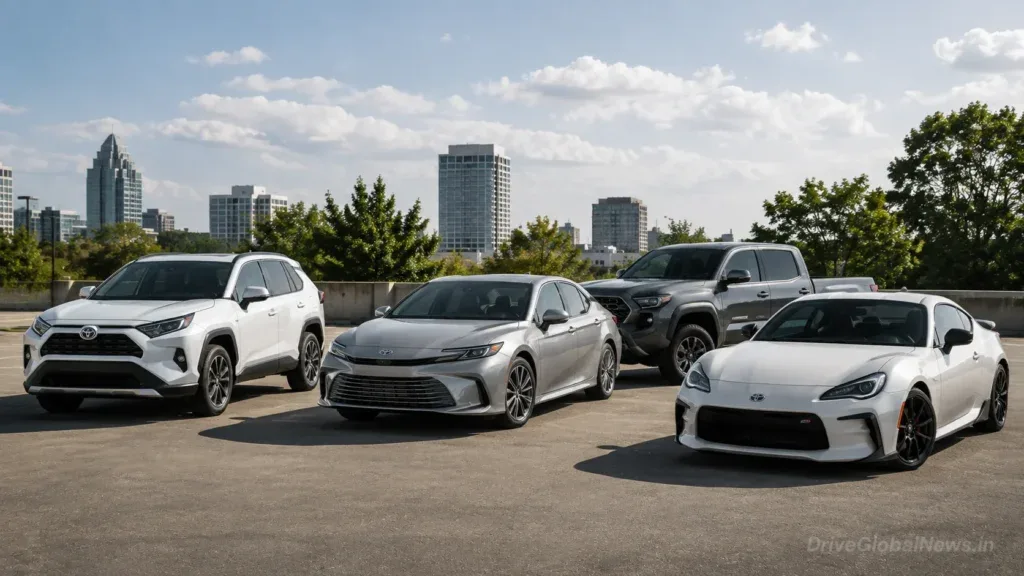
- RAV4 and RAV4 Hybrid frequently appear near the more affordable end of the Toyota lineup.
- Tacoma, Sienna, Highlander, and 4Runner also tend to post competitive rates relative to other vehicles in their segments.
- Camry and Corolla usually sit in the middle of the pack — higher than the SUVs and trucks above in some datasets, but still reasonable for mainstream sedans.
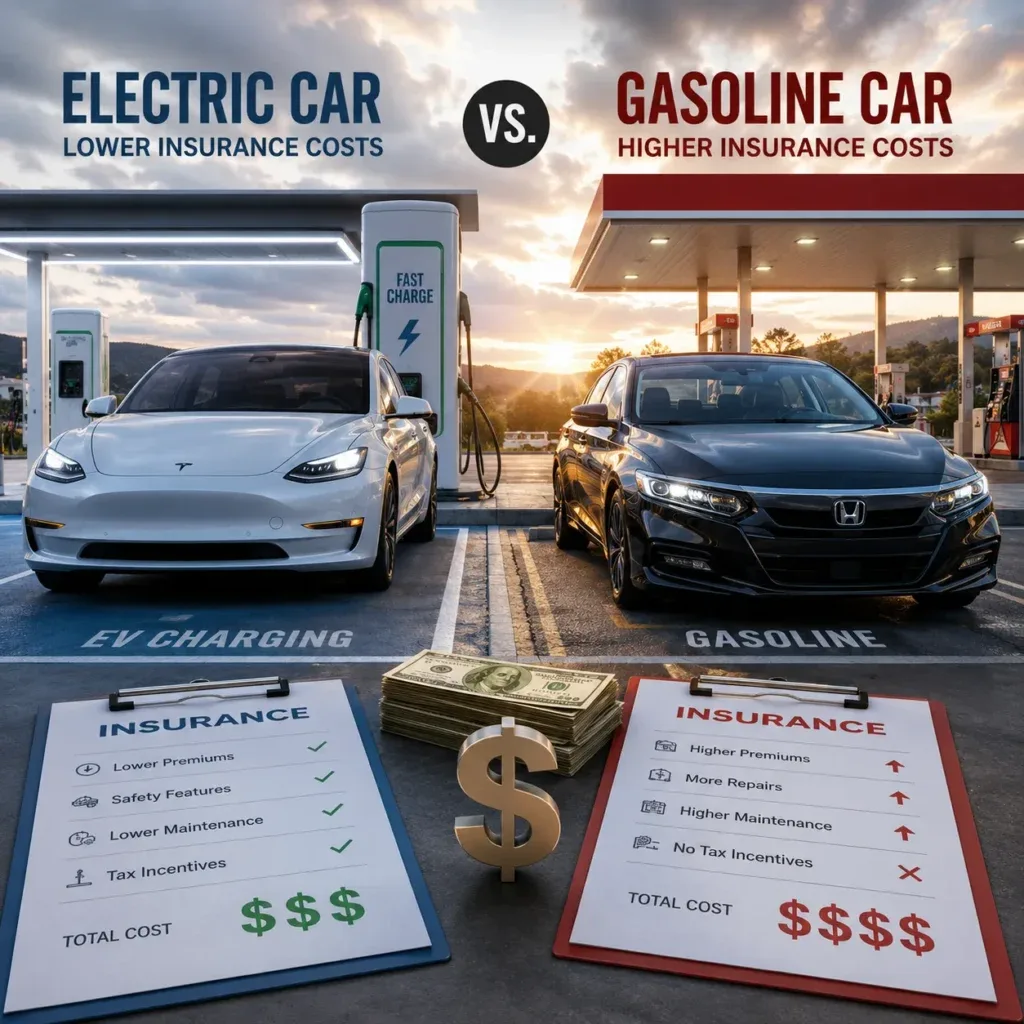
Performance-oriented models such as the GR86, GR Corolla, and Supra cost noticeably more to insure, as do some higher-end or less common vehicles. Electric and certain hybrid variants can also carry modestly higher premiums than their gas counterparts in some markets because of battery and repair considerations.
Why Toyotas Tend to Be Cheaper to Insure Insurers price risk. Toyota’s long track record of durability, high crash-test scores, and the wide availability of replacement parts all work in the owner’s favor. Vehicles that are statistically less likely to be involved in costly claims, or that cost less to repair when they are, generally receive better rates. Strong residual values and a large existing fleet also help keep claims data stable.
That does not mean every Toyota is inexpensive to insure. A high-performance GR model driven by a young operator in an urban ZIP code will still command a premium. But for the typical family Camry, RAV4, or Tacoma driver, the brand’s profile is a net positive.
How to Keep Your Toyota Insurance Cost Low Even with a favorable starting point, the same habits that lower rates for any vehicle apply:
- Shop multiple insurers before every renewal. Quotes for identical coverage can differ by hundreds of dollars.
- Maintain a clean driving record and, where it is used in rating, a solid credit profile.
- Raise deductibles if you can comfortably cover the out-of-pocket amount.
- Ask about every available discount — multi-car, bundling, telematics/safe-driver programs, good student, paperless, and anti-theft features.
- Confirm that safety and driver-assistance equipment on your specific trim is properly reflected in the quote.
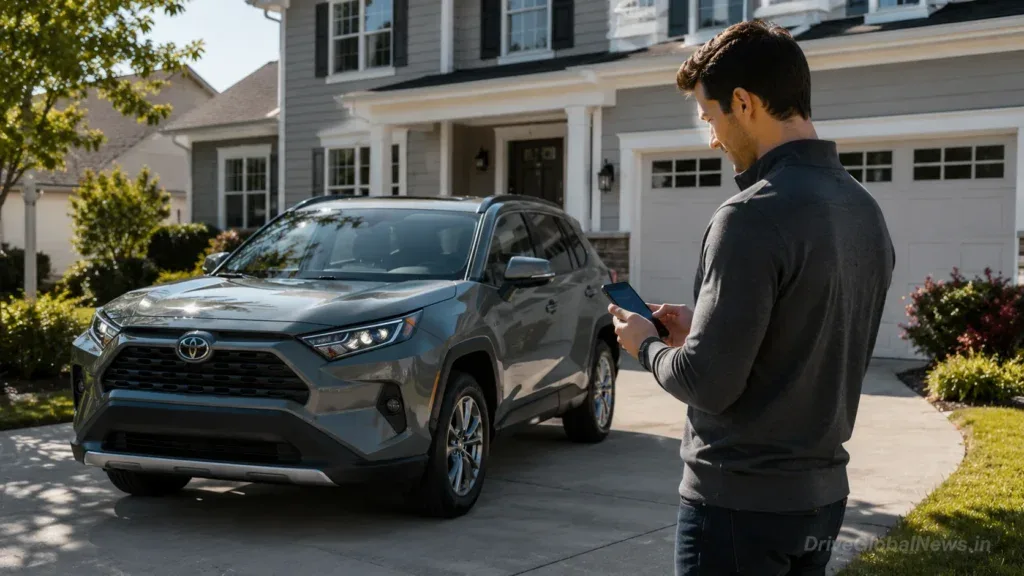
What to Expect by Coverage Type Full coverage (liability plus collision and comprehensive) is what most financed or leased Toyotas require and what most owners choose. Liability-only policies cost less but leave the vehicle itself unprotected. Uninsured/underinsured motorist coverage, roadside assistance, and rental reimbursement are optional add-ons that increase the total but can be worthwhile depending on your situation.
The Bottom Line In 2026, insuring a mainstream Toyota is often less expensive than many drivers anticipate. Full-coverage averages for popular models such as the RAV4, Camry, Tacoma, Highlander, and Sienna commonly land in a competitive range that compares favorably with the broader market. Reliability, safety performance, and parts availability help keep premiums in check.
The exact number on your policy still depends on you and where you live. The smartest move remains the same: obtain several current quotes for the precise model and coverage you want. Toyota gives you a solid starting position. Shopping turns that advantage into real savings.
Do you already own a Toyota, or are you comparing insurance costs before deciding which model to buy?