
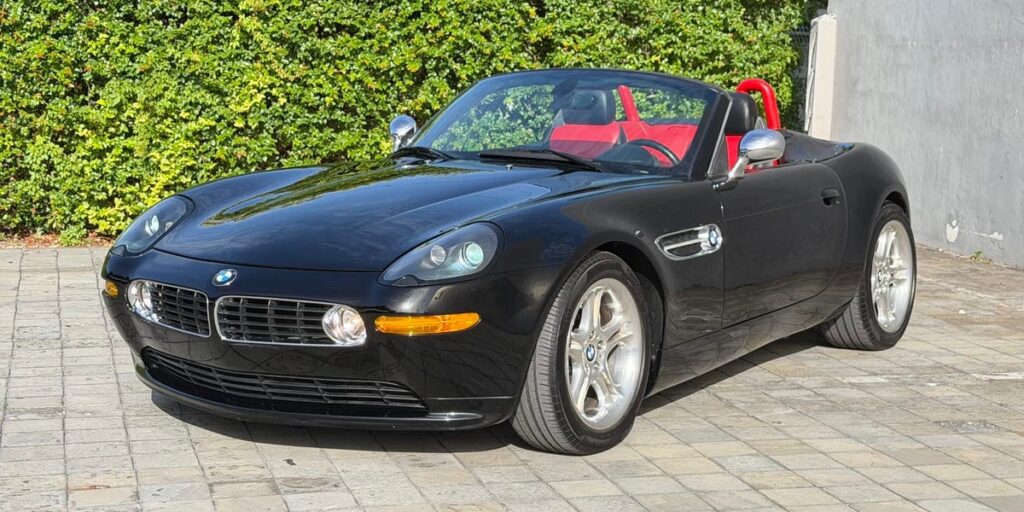
The BMW Z3 Roadster is a fascinating case study in how nostalgia warps our memory of modern classics. We remember the sleek curves from *GoldenEye*, the cool factor of a car that felt like a baby supercar. But let’s be honest: the Z3 was never a great sports car in the purest sense. It was a stylish cruiser with a chassis that could get wobbly, and its interiors were pure 90s plastic fantastic. Yet, here we are, watching these cars fetch serious money on Bring a Trailer. The question isn’t whether the Z3 is good—it’s whether the current auction prices make any damn sense for your bank account.
BMW Z3 Roadster: The Auction Reality Check
Here’s the thing about the current Z3 market: it’s a tale of two cars. You have the bread-and-butter 1.9-liter and 2.5-liter inline-six models that are plentiful and reasonably priced, often trading between $8,000 and $15,000 depending on condition. Then you have the halo cars—the M Roadster and the rare M Coupe—which have gone absolutely stratospheric. We’re talking $40,000 to $80,000 for clean examples of the clown shoe, which is a different conversation entirely.
But what’s really driving the bidding wars on Bring a Trailer is the low-mileage, well-documented examples of the standard Z3. A 1997 2.8-liter Roadster with 30,000 miles and a pristine service history can easily push past $20,000. Do the math on that. That’s more than a new Mazda MX-5 Miata, which is a fundamentally better car in every measurable way—handling, reliability, modern safety, and warranty coverage.
The financial stakes here are real. You’re paying a premium for nostalgia and rarity, not for driving dynamics. The Z3’s semi-trailing arm rear suspension, borrowed from the E30 era, means it can get twitchy over bumps. It’s not dangerous, but it’s not confidence-inspiring either. The Porsche Boxster from the same era is a superior driver’s car, and the Mercedes-Benz SLK offers a hardtop and more refinement. Full stop.
The 90s Design Language That Still Turns Heads
Let’s talk about the exterior, because this is where the Z3 earns its keep.
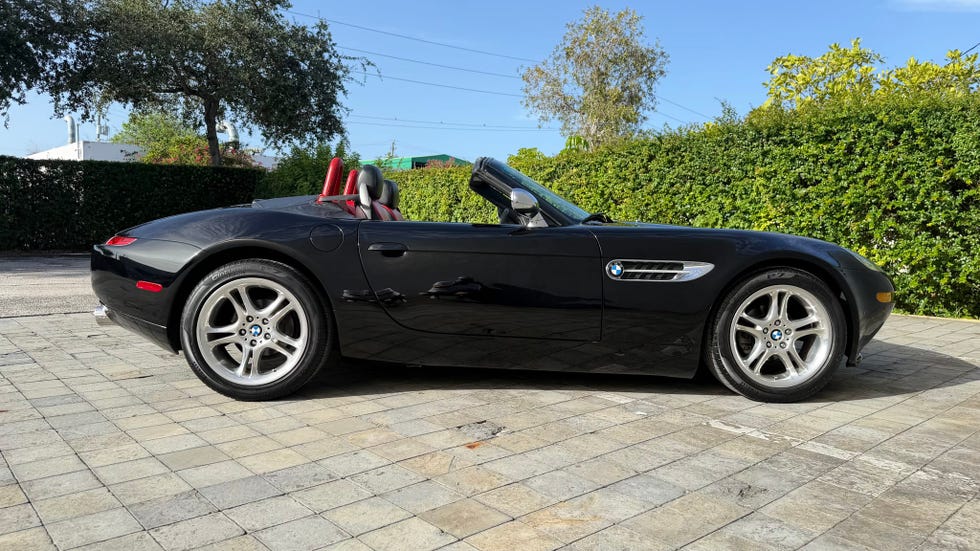
The long hood, the kidney grille, the subtle kick-up over the rear fenders—it’s a design that still looks fresh today. BMW nailed the proportions, and the Z3 has a stance that screams “roadster” even when parked. The Hofmeister kink is there, the dual exhaust tips are there, and the overall silhouette is unmistakably BMW.
This is a car that gets attention. People will ask you about it at gas stations. They’ll tell you stories about their uncle who had one, or how they saw it in a Bond film. That’s worth something—emotional value is real value. But here’s the catch: the exterior beauty masks some serious structural compromises. The chassis is not stiff. You’ll feel cowl shake over railroad tracks, and the doors can develop rattles over time. It’s a fair-weather car, and you need to accept that.
The design has aged gracefully, but it’s not timeless in the way a 911 is timeless. It’s very much a product of its era, with those 90s curves and that slightly bulbous rear end. Some love it, some find it dated. What you can’t deny is its visual impact. It’s a head-turner, and in the auction world, that visual appeal is what drives the bidding.
Cabin Comfort and Daily Usability Trade-Offs
Step inside the Z3, and you’re transported back to a time when BMW interiors were functional but not luxurious.
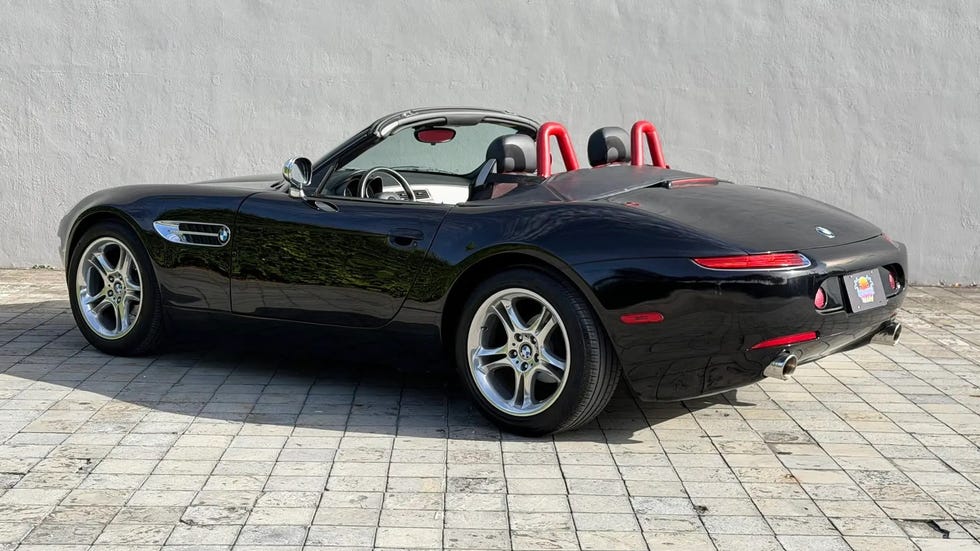
The dashboard is simple, with clear gauges and that iconic driver-oriented layout. The seats are comfortable for a couple of hours, but long-distance cruising will have you wishing for more lumbar support. The cabin is snug—this is a true two-seater, and there’s no pretending otherwise.
The trunk space is surprisingly usable for a roadster, with enough room for a weekend bag or a set of golf clubs. But here’s the trade-off: the soft top is a manual affair, and while it’s easy enough to operate, it’s not a one-handed job. You’ll need to get out of the car, unclip the latches, and fold it back. It’s a minor inconvenience, but it’s worth knowing before you commit.
The interior quality is where the Z3 shows its age. Hard plastics abound, and the switchgear feels dated. The audio system is basic, and there’s no modern connectivity without aftermarket modifications. The M Roadster gets nicer seats and a better steering wheel, but the fundamental cabin architecture is the same. This is not a car you buy for its interior refinement—you buy it for the driving experience and the looks.
The Verdict on Collector Value
So, should you chase that Z3 Roadster on Bring a Trailer? Here’s the reality: if you’re looking for a weekend cruiser that will appreciate modestly and turn heads at Cars and Coffee, a well-sorted 2.8 or 3.0 model is a solid choice. The inline-six is smooth, the exhaust note is intoxicating, and the driving experience is engaging enough to be fun without being demanding. It’s a car that rewards patience and mechanical sympathy.
But if you’re expecting a sharp, modern sports car that can hang with a Boxster on a twisty back road, you’ll be disappointed. The Z3 is a cruiser, not a scalpel. And if you’re paying M Coupe money for a standard Roadster, you’re making a mistake. The collector value is real for the rare variants, but the standard cars are still just used BMWs with all the maintenance costs that entails. Buy the Z3 for its soul, not its specs. If you want a better driver’s car, get the Boxster. If you want the styling and the nostalgia, the Z3 will reward you—just don’t expect it to be something it’s not.