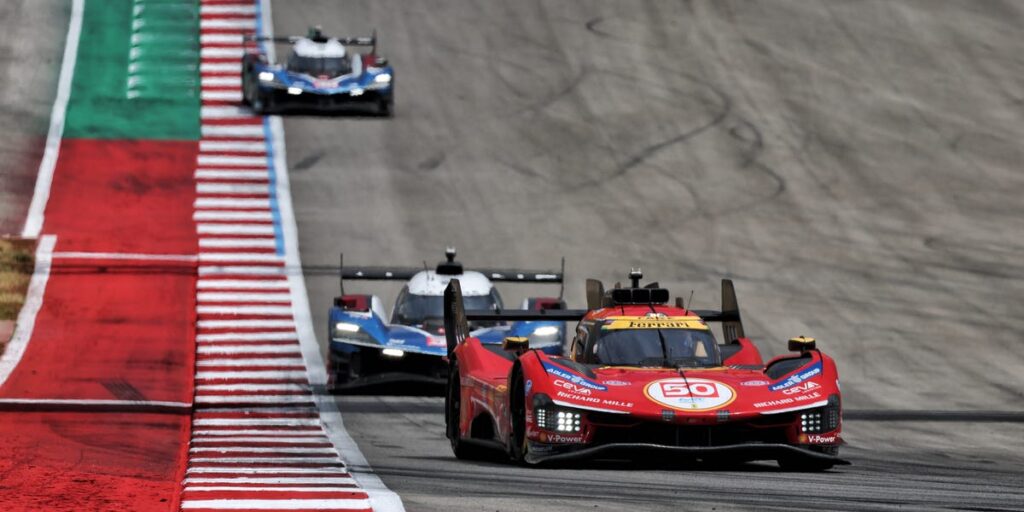
Ferrari’s return to the top step of Le Mans isn’t just a trophy for the cabinet in Maranello. It’s a masterclass in brand management that hits the wallets of American buyers in ways most folks don’t see coming. When the 499P hybrid hypercar crossed the finish line first at Circuit de la Sarthe, it ended a 50-year drought for the Prancing Horse in overall victory. But here’s the thing: that checkered flag wasn’t just about endurance racing glory. It’s a high-octane marketing signal that directly influences the resale value of your neighbor’s Ferrari Roma and the desirability of every future model rolling onto U.S. soil.
Let’s be honest about what the 499P actually is. This isn’t a road car you can spec with a tan interior and park in your garage next to the F-150. It’s a Le Mans Hypercar (LMH) built to one singular purpose: beating the factory teams from Toyota, Porsche, and Cadillac at their own game. Under the sculpted bodywork sits a twin-turbo V6 mated to a hybrid system, churning out a combined output around 680 horsepower per FIA WEC regulations. That’s not the headline, though. The real story is how Ferrari leveraged this machine to reassert its dominance in the American psyche.
Ferrari 499P: Why Le Mans Victory Moves the Needle in the U.S.
The American luxury car buyer is a peculiar beast. They want the validation of motorsport success, but they’re not about to watch a six-hour race to get it. Ferrari understands this dynamic perfectly. When the 499P wins at Le Mans, it generates headlines in mainstream outlets, social media feeds, and dinner party conversations from Palm Beach to Beverly Hills. That buzz translates directly into showroom traffic for road cars like the 296 GTB and the Purosangue SUV.
Do the math on the halo effect. A race victory enhances brand prestige, which in turn influences sales of road cars and collector value. For a buyer considering a $400,000 Ferrari versus a comparable Lamborghini or McLaren, the endurance racing pedigree becomes a tiebreaker. It whispers that Ferrari builds machines that survive the harshest conditions on earth. That’s a powerful narrative when you’re signing a check for a car that’ll mostly see weekend canyon runs and Cars & Coffee events.
The financial stakes here are enormous. Ferrari doesn’t need to sell more units—they deliberately cap production to maintain exclusivity. What they need is to justify ever-increasing price tags. A Le Mans win provides the emotional ammunition to keep MSRPs climbing without pushback from even the most analytical collectors.
Benchmarking Against the Factory Giants
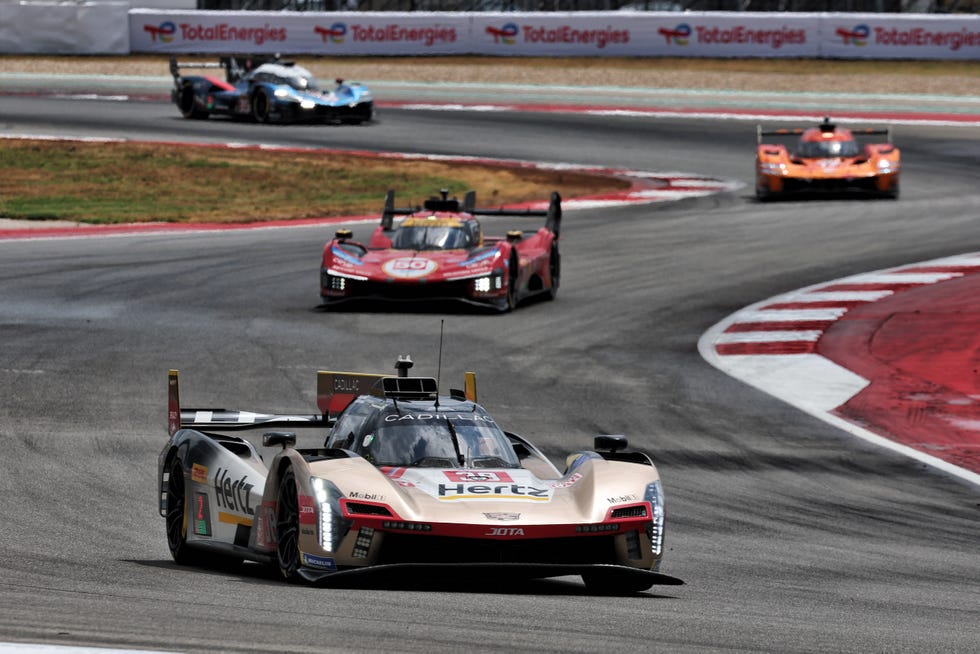
Ferrari didn’t win this race in a vacuum. The 499P had to outlast and outpace some serious hardware. Toyota’s GR010 Hybrid came in as the defending champion with a bulletproof reputation for reliability. Porsche’s 963 brought decades of prototype racing knowledge back to the top class. Cadillac’s V-Series.R represented American engineering pride with a thunderous V8 soundtrack that had the European crowd leaning in.
Here’s what the victory means in context. Ferrari beat the established order in their first year back at the top level. That’s not luck—that’s engineering aggression. For American buyers, this translates into a perception that Ferrari’s current road car technology benefits from this racing development. The hybrid systems, the aerodynamic knowledge, the thermal management strategies—they all trickle down eventually.
Worth knowing: the 499P’s success also pressures competitors. Porsche and Toyota will pour more resources into their programs, which raises the bar for everyone. But for now, Ferrari holds the bragging rights, and in the luxury automotive world, bragging rights have a concrete dollar value attached to them.
The Collector Market Ripple Effect

The immediate impact of the 499P’s victory isn’t felt in new car sales—it’s felt in the auction houses and private sales networks. Ferrari’s limited-production specials and even their standard V8 models see a bump in desirability following major race wins. This is a well-documented phenomenon in the collector car world. The connection between track success and road car value is direct and measurable.
Consider the math for a serious collector. A Ferrari LaFerrari or even a well-spec’d F8 Tributo holds its value better when the brand is winning. The 499P victory reinforces the narrative that Ferrari is the pinnacle of automotive engineering. That perception filters down through the entire model lineup, supporting resale values across the board.
For the American enthusiast with a seven-figure budget, this race win matters. It validates their decision to park a Ferrari in the garage rather than a competitor’s machine. The emotional connection to a Le Mans winner is worth real money when it comes time to sell. Depreciation curves flatten, and in some cases, values actually appreciate following major motorsport victories.
What This Means for Your Next Purchase
If you’re in the market for a new Ferrari, the 499P’s success should factor into your decision-making process. Not because it changes the driving experience—it doesn’t. The 296 GTB still feels the same on your favorite back road. But it does change the ownership economics. A Ferrari purchased on the heels of a Le Mans victory carries a premium narrative that will serve you well when you decide to move on to the next model.
Here’s the caveat, though. Don’t buy a Ferrari solely because they won a race. Buy it because you love driving it. The race victory is a bonus, not the reason to spend half a million dollars. If you’re cross-shopping against a McLaren Artura or a Lamborghini Huracán successor, the Ferrari’s racing pedigree might tip the scales. But if you’re buying purely as an investment, you’re in the wrong game.
The 499P’s victory is a statement of intent from Ferrari. It says they’re back to their winning ways, and they plan to stay there. For American buyers, that means the brand’s prestige will only grow in the coming years. The halo effect from Le Mans will influence everything from the next special edition to the resale value of your current Ferrari. That’s the power of motorsport success in the modern luxury market.
Ferrari’s endurance racing triumph with the 499P is a strategic masterstroke that reinforces the brand’s performance pedigree for American enthusiasts and collectors. If you’re a buyer who values racing heritage and understands how it protects your investment, a Ferrari purchased now carries that winning momentum. But if you’re purely chasing lap times on public roads or want the most tech-forward daily driver, a Porsche 911 Turbo S or McLaren GT might serve you better. The 499P’s victory is for those who believe the prancing horse still runs wildest when the checkered flag drops.