
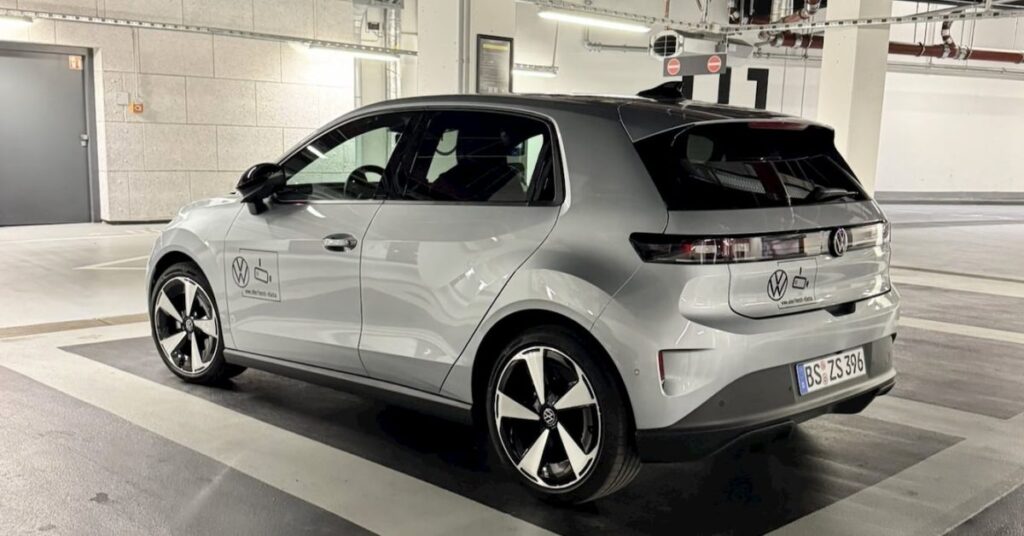
The ID. Polo is the talk of European driveways, and over 30,000 people have already put down deposits. That sounds like a slam dunk for Volkswagen’s electric future, right? Except, let’s look at the fine print on that purchase agreement. You aren’t just buying a car; you are buying a spot in a queue that stretches nearly a year into the future. Ten months is a lifetime in the EV world, and a lot can happen to your bank account, your commute, and the technology itself in that window.
Here is the uncomfortable reality of the hottest EV in Europe: it isn’t coming to the United States. While Americans are left staring at a gap in the affordable compact EV market, Europeans are locking in deposits for a vehicle that might feel dated by the time the lease paperwork is actually signed. The hype is real, but so is the friction. Let’s dig into whether this wait is worth the gamble, or if you are just holding a placeholder for a car that hasn’t even been built yet.
Volkswagen ID. Polo: The 10-Month Gamble: Deposits, Deadlines, and Doubt
Putting money down on a car that won’t arrive for nearly a year is a financial commitment that requires a specific kind of patience. The ID. Polo’s order bank is overflowing, which signals strong demand, but it also signals a production bottleneck that VW hasn’t solved. Do the math on your deposit: that cash is sitting in VW’s account, not yours, for the better part of a year. That is an opportunity cost that most buyers gloss over when they are staring at a shiny render on a configurator.
Financial Lock-In: If the market shifts or your personal situation changes, you are fighting to get that deposit back, assuming the fine print even allows for a full refund.
Market Evolution: Ten months from now, the Mini Electric and Fiat 500e will likely have updated software and better range. You will be taking delivery of a car with year-old tech.
Resale Anxiety: Early adopters who wait this long often find that by the time they take delivery, the market is saturated, softening the resale value they were banking on.
The waitlist is a double-edged sword. It proves the car is desirable, sure. But it also proves that VW’s supply chain is still fragile. You aren’t buying a car; you are buying a promise that might not hold its value by the time the truck arrives at the dealer.
Why the ID. Polo Stays Out of American Showrooms
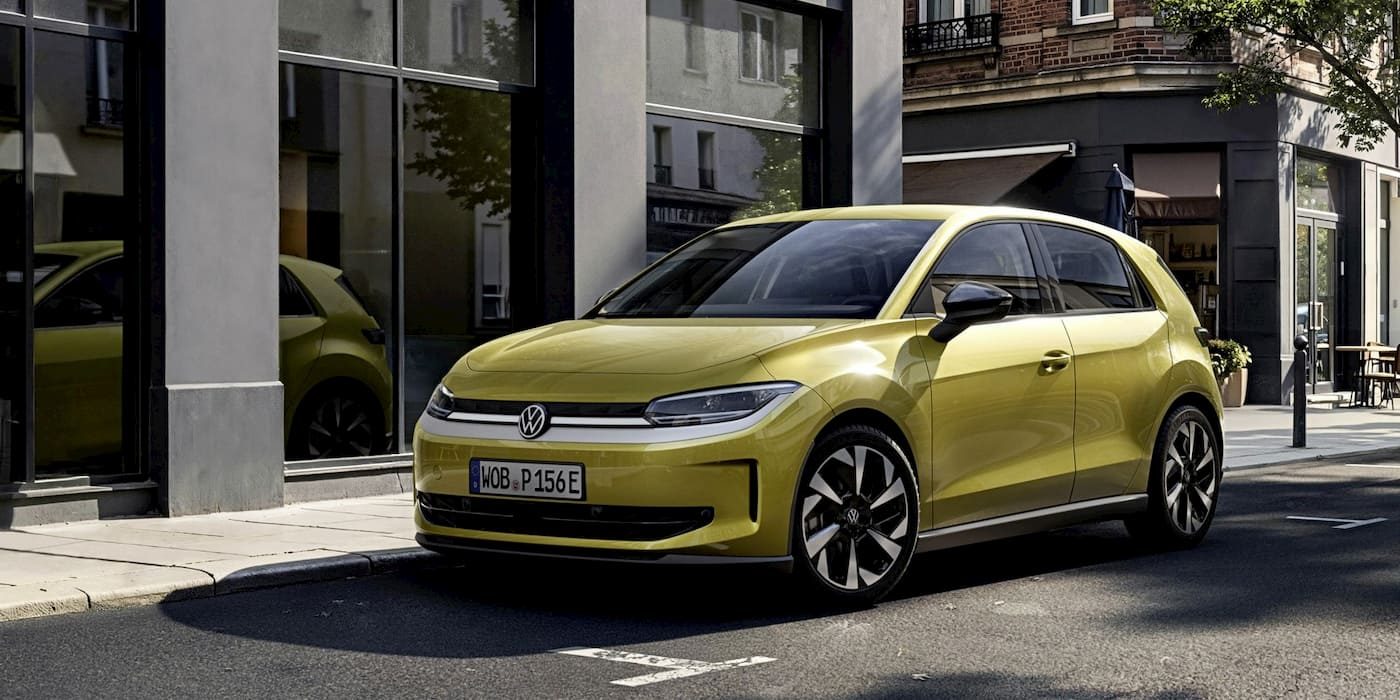
Here is the part that stings for US buyers: Volkswagen has decided this pint-sized electric runabout isn’t worthy of American asphalt. That decision leaves a massive hole in the lineup, especially when gas prices spike and commuters start looking for a cheap, efficient second car. Instead, we get the ID.4, which is bigger, heavier, and priced thousands more than what the Polo would likely command.
The absence is telling. VW knows Americans love crossovers, but they are ignoring the urban dweller who wants a tiny footprint with zero emissions. That leaves the door wide open for the Chevrolet Bolt EV and the Nissan Leaf, which are currently the only realistic players in the affordable compact EV segment. Until VW decides to import this car or build a US-specific version, they are handing sales to GM and Nissan on a silver platter.
Price & Value: The ID. Polo would theoretically undercut the Bolt EV in Europe, but without a US launch, American buyers can’t even comparison shop.
Market Gap: There is no compelling reason for VW to keep this car out of the US other than regulatory compliance costs, which is a weak excuse for ignoring a hungry market.
Unless VW changes course, the ID. Polo remains a tantalizing “what if” for American drivers stuck paying a premium for larger EVs they don’t actually need.
Inside the Hype: Cabin Reality vs. Render Perfection
Assuming you are one of the lucky Europeans with a VIN assigned, what are you actually getting after the wait? The cabin is where the ID. Polo needs to justify the hype, and it does so with a minimalist approach that feels fresh—until you start poking at the touchscreen. VW’s infotainment system has a history of lag, and the Polo’s interface is a gamble. If the screen freezes on a Tuesday morning while you are trying to adjust the climate control, that 10-month wait suddenly feels like a betrayal.
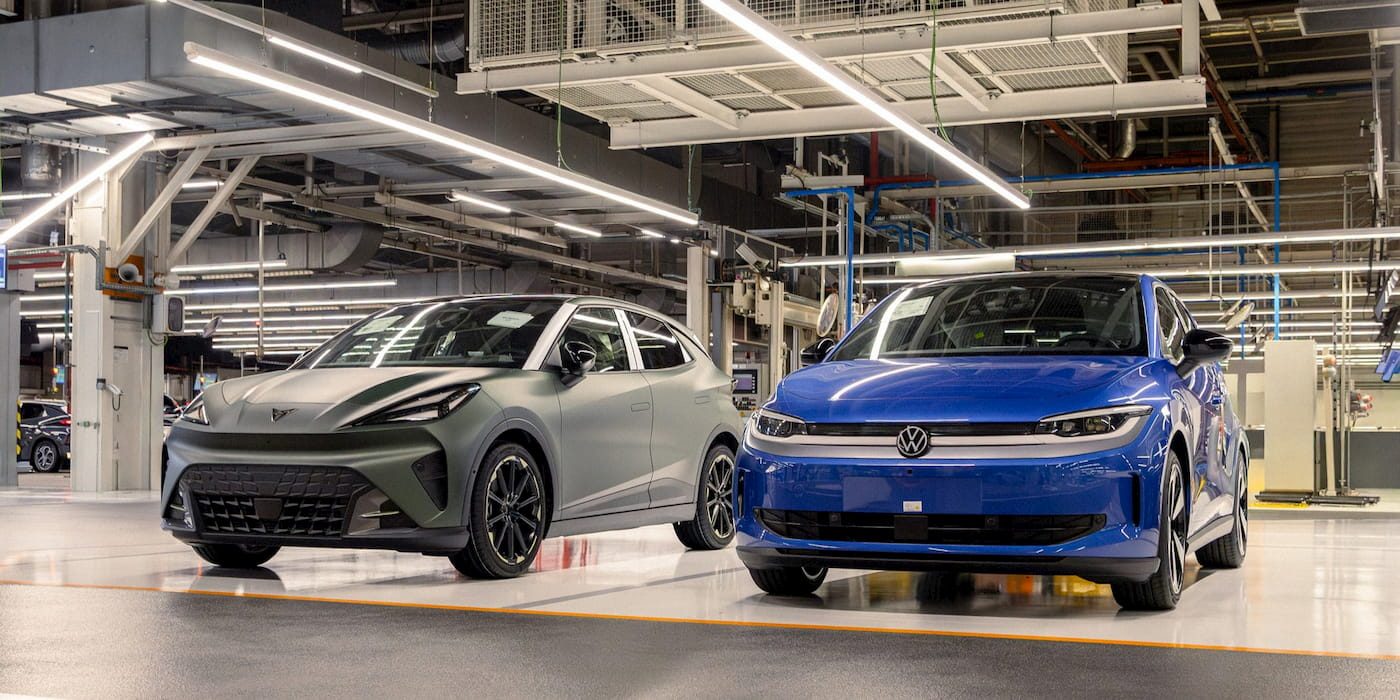
The seating position is elevated, giving you a commanding view of the city, and the materials feel a notch above the Honda e’s retro plastic. But the rear seats are tight, and the trunk space is adequate for groceries, not much else. This is a city car, full stop. It doesn’t pretend to be a family hauler, but you need to know that before you sign, not after you take delivery.
Cabin Comfort: The front seats are supportive, but rear passengers will feel every mile of a longer commute.
Tech Trade-off: The digital cockpit looks sharp, but the touch-sensitive controls require a steady hand and a lot of patience.
The interior is a study in contradictions. It looks premium in photos, but the real-world ergonomics might have you longing for a simple physical knob.
The Verdict: Who Should Wait and Who Should Walk
If you live in a dense European city, have a second car for road trips, and can stomach the financial limbo of a 10-month deposit, the ID. Polo is a stylish, efficient runabout that will make your daily commute feel like a video game. It is the right tool for a very specific job, and it executes that job with a level of charm that the Fiat 500e can’t quite match. You will love it, provided you never need to haul anything larger than a suitcase.
But if you are an American waiting for this car to save you from high gas prices, stop holding your breath. Walk over to a Chevrolet dealer and drive the Bolt EV today. It is available now, it qualifies for the tax credit, and you won’t be waiting a year for the privilege of handing over your money. The ID. Polo is a great car for the right buyer, but for everyone else, it is just a rumor of a car that exists on another continent. Sign the papers on something you can actually drive home this week.