
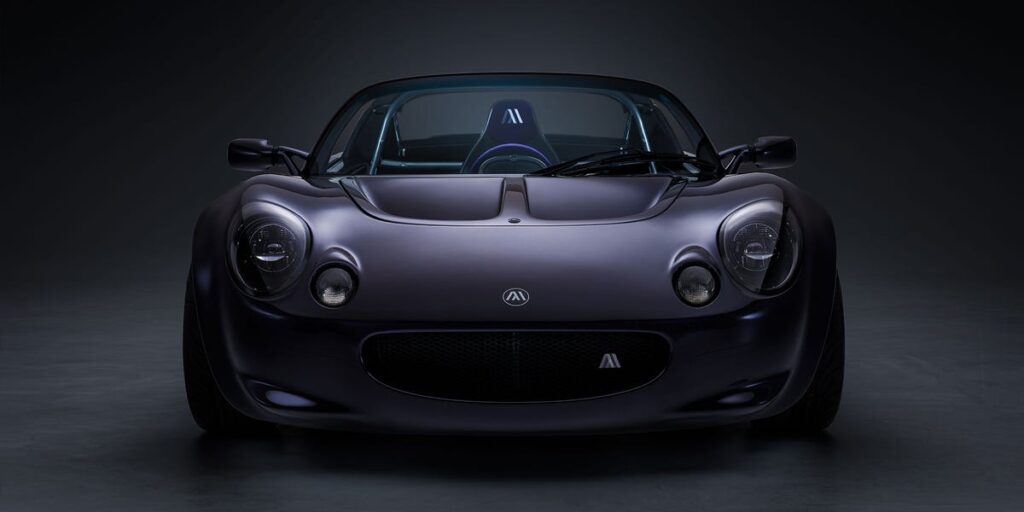
The hype around restomods is deafening right now. Every boutique builder with a CNC machine and a PayPal account is slapping modern suspension under a classic shell and asking six figures for the privilege. The Analogue Automotive VHPK, a heavily reworked Lotus Elise, is the latest object of desire for the purist crowd. But before you wire your life savings to a workshop across the pond, let’s talk about the friction. This isn’t a plug-and-play weekend toy. It’s a bespoke British project car with no official US price, no confirmed emissions certification, and a build timeline that could stretch past your patience. The source data is frustratingly thin—no hard horsepower numbers, no confirmed MSRP, just vibes and renderings. That should worry you.
Here’s the uncomfortable truth: you’re paying a massive premium for a car that might not even be legal to register in your state. The standard Elise was already a stripped-out track weapon. This VHPK takes that ethos and dials the cost up to eleven.
Lotus Elise Restomod: The Price of Purity: What You’re Actually Paying For
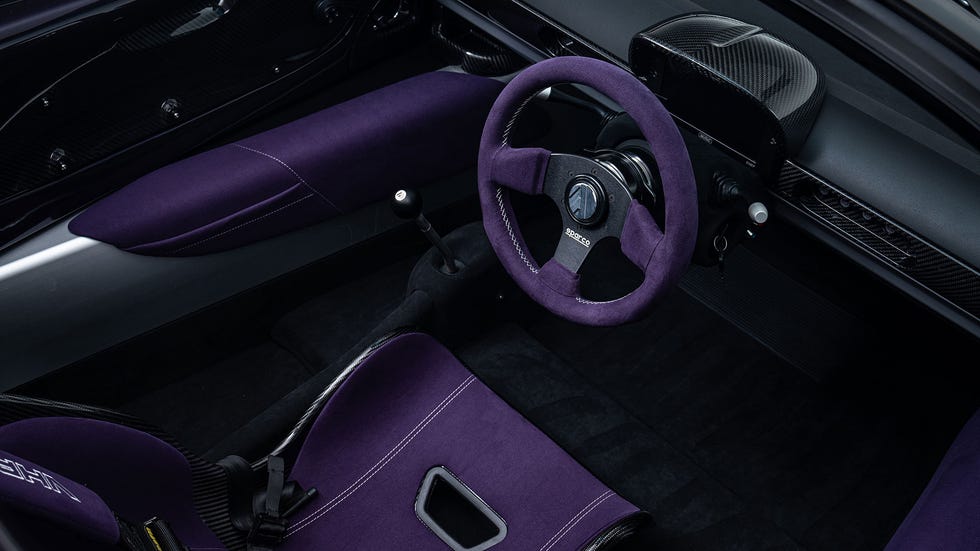
Let’s do the math on the financial reality. The source doesn’t disclose a price, which is a red flag in itself. Industry whispers suggest the VHPK lands somewhere north of $150,000 USD. For context, a clean, low-mileage original Elise can be had for $40,000 to $55,000. That’s a $100,000 delta for what amounts to a reskinned body, upgraded dampers, and a fresh interior. You could buy the donor car, spend $30,000 on a radical suspension setup from a top-tier motorsport shop, and still have cash left over for a daily driver. The VHPK’s value proposition hinges entirely on exclusivity and the Analogue name. That’s a fragile foundation for a purchase this size.
Insurance is another hidden landmine. Bespoke restomods often fall into a gray area with carriers. Standard agreed-value policies are possible, but expect premiums that rival a small supercar. And if you crash it? Replacement panels are hand-fabricated in the UK. That’s a months-long repair timeline and a five-figure body shop bill.
Lightweight Brilliance vs. Tuesday Morning Reality
The Elise’s core genius was always its mass—or lack thereof. At roughly 1,900 pounds, the standard car felt like a motorcycle with a roof. The VHPK likely preserves that featherweight character, which means acceleration feels violent even with modest power. The seat back arrives before your foot fully commits to the floor. That’s the magic. But here’s the trade-off: that same lightness translates to a punishing ride on broken American asphalt. Expansion joints aren’t subtle suggestions; they’re harsh jolts that travel straight up your spine. The 112-liter combined trunk space is a joke. A weekend duffel bag and a helmet. That’s it. No groceries, no golf clubs, no airport runs.
And then there’s the noise. At 75 mph, wind roar around the A-pillars and the soft top’s seams will have you shouting at your passenger. This is not a highway cruiser. It’s a back-road scalpel that punishes you for commuting. If you live anywhere with traffic, potholes, or speed bumps, the VHPK will make you question every dollar spent.
The Import and Compliance Nightmare
Here’s the part the glossy Instagram posts omit. The VHPK is built in the UK, which means it’s not a US-spec vehicle unless Analogue specifically engineers it for our market. The source data doesn’t confirm any EPA or DOT certification. Without that, you’re looking at the Show or Display exemption—a bureaucratic maze that requires petitioning the NHTSA and proving the car has “historical or technological significance.” That process takes months and costs thousands in legal fees. Even then, you’re restricted on annual mileage. Alternatively, you could import it as a track-only vehicle, but then you’re trailering it everywhere. That kills the daily-driver fantasy entirely.
Let’s be honest about the competition. A brand-new Alpine A110—which is actually sold in the US now—offers similar lightness, modern reliability, and a factory warranty for around $70,000. It’s not as raw, sure. But it starts every morning, passes emissions, and has a dealer network. The Caterham 7 is even more visceral and costs half as much. The VHPK sits in an awkward middle ground: too expensive for track-day enthusiasts, too compromised for collectors who want to actually drive their investments.
Who Should Sign—and Who Should Walk
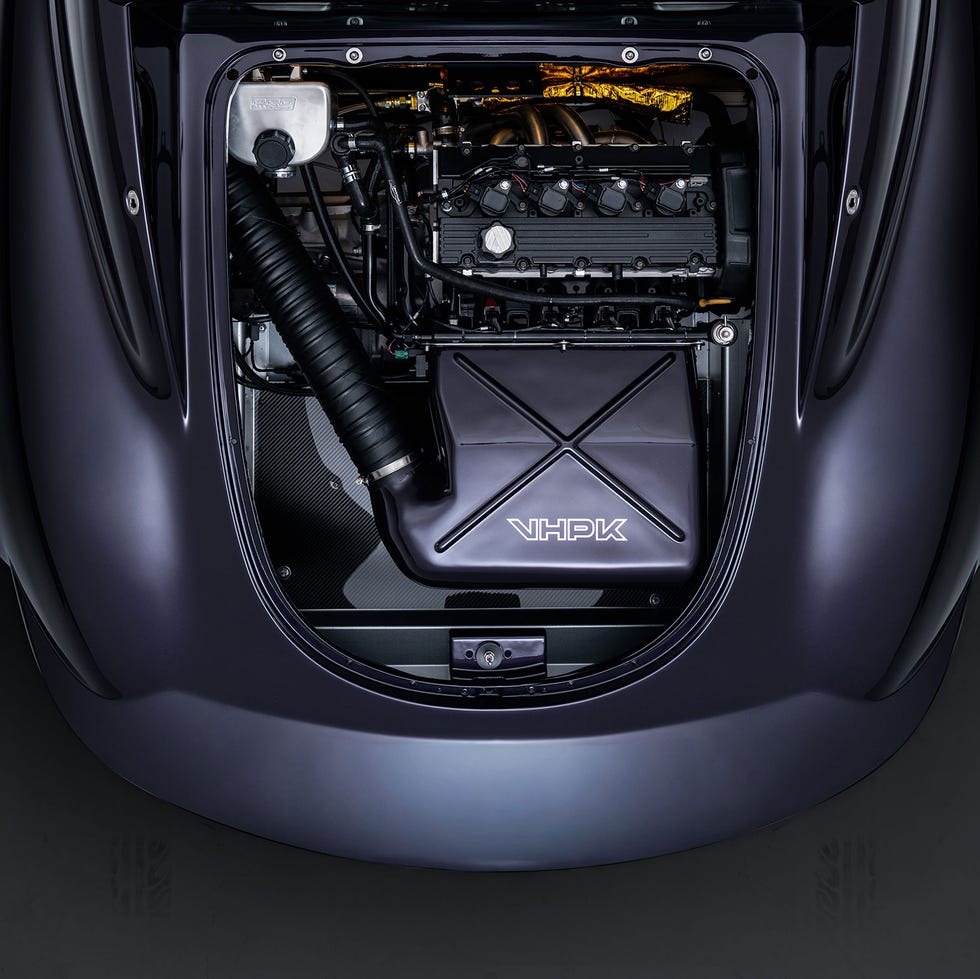
The VHPK is a piece of rolling art. The craftsmanship, the bespoke bodywork, the obsessive attention to weight reduction—it’s genuinely admirable. For a collector with a multi-car garage, a trailer, and a disregard for financial logic, this could be the crown jewel of a Lotus collection. The resale value might hold if production is truly limited. But for the working enthusiast who wants to drive their car on weekends without a support crew? Walk away. Buy a used Elise, spend the savings on a proper suspension setup and track days. You’ll have more fun, fewer headaches, and a car that actually complies with US regulations. The VHPK is a beautiful fantasy. Just don’t let it become your financial nightmare.