
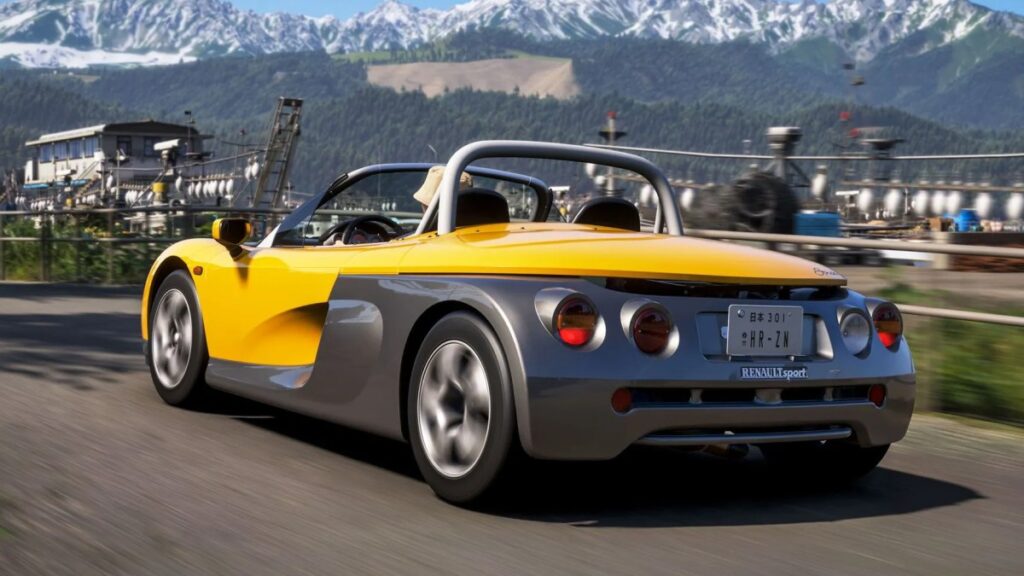
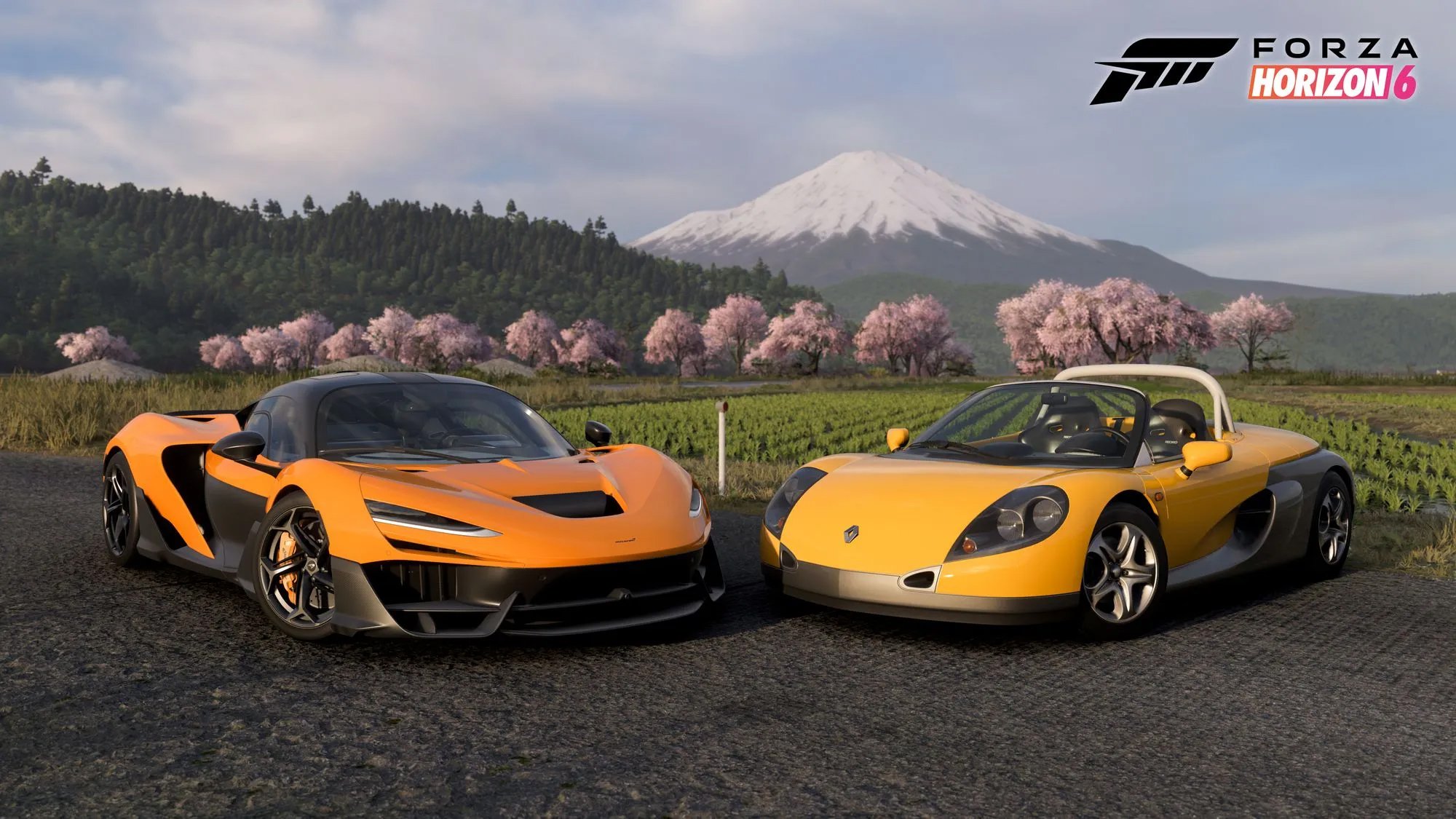
Renault Sport Spider: For $69.99—the price of the Forza Horizon 6 Premium Edition—you can finally drive a Renault Sport Spider, a car that hasn’t appeared in a major racing game in over two decades, yet no amount of in-game credits will ever put one in your actual garage. The announcement is a digital resurrection for a machine that only 1,800 examples of ever existed, and it raises a question that cuts to the bone of modern car enthusiasm: is a virtual joyride enough when the real thing is effectively extinct? Let’s dig into what this inclusion actually means for you, the player, and why it might leave a sour taste in the mouth of anyone hoping for more.
Why did the Renault Sport Spider vanish from racing games after the early 2000s? Licensing issues, low brand recognition, and the simple fact that it was a commercial flop in the late ’90s all contributed to its absence. Forza Horizon 6’s developers had to dig through Renault’s historical archives to secure the digital rights, a process that took months of negotiation with a brand that barely acknowledges this car ever existed.
So, does this justify the hype? For players who grew up idolizing the Spider’s minimalist track-day philosophy, seeing it rendered in 4K with accurate physics is a genuine thrill. The car’s 1.5-inch ground clearance and 1,650-pound curb weight translate into a driving experience that feels radically different from the hypercars that dominate the game’s roster. It’s a niche addition, but one that rewards players who appreciate the purity of a car with no roof, no windows, and no electronic nannies to save you from your own mistakes.
What the Spider Actually Brings to Your Screen
The Renault Sport Spider was never about horsepower—it used a modest 2.0-liter four-cylinder engine that produced around 150 horsepower in road trim, though the race-spec versions pushed closer to 180. In Forza Horizon 6, you’ll feel every one of those ponies working overtime to move a chassis that weighs less than a modern Miata, and the handling model captures the car’s notorious twitchiness at the limit. This isn’t a car you can floor and forget; it demands constant attention, which makes it a perfect fit for players who crave engagement over raw speed.
But here’s the practical reality: you’ll need to grind through the game’s progression system to unlock it, or pay extra for the car pack that includes it. The base game doesn’t hand you the Spider on a silver platter, and that’s a deliberate choice to keep players invested in the seasonal events and online races. Is that a fair trade for a car that’s been missing for 20 years? If you’re a completionist, yes; if you just want to sample it without the grind, the microtransaction route might test your patience.
The Bitter Irony of Virtual Rarity
Here’s where the story gets uncomfortable: the Spider’s inclusion in Forza Horizon 6 highlights just how inaccessible the real car has become. When Renault built the Spider in 1996, it priced it at around $35,000, which was steep for a car with no roof and a plastic body. Today, the few examples that come up for auction regularly fetch six-figure sums, with the most pristine units crossing the block at over $100,000. That’s a 200% appreciation over three decades, but it also means the car is now firmly in the realm of collectors who treat it as an investment rather than a driver.
So, who actually benefits from this digital debut? Gamers who want to experience a piece of automotive history without the six-figure price tag or the fear of crashing a irreplaceable classic. The game gives you the freedom to thrash the Spider through dirt roads, jump it off hills, and smash it into barriers—all without the heart-stopping dread of damaging a $100,000 investment. That’s a liberating experience, but it also underscores the growing divide between virtual car culture and the physical world, where these machines are becoming museum pieces rather than daily drivers.
Why the Real Car Market Won’t Feel a Ripple
Don’t expect this announcement to shake up auction prices or create a sudden surge in Renault Sport Spider listings. The car’s rarity means that supply is essentially fixed, and the type of collector who owns one isn’t likely to sell just because a video game made it trendy. If anything, the Forza inclusion might make existing owners hold onto their cars even tighter, knowing that a new generation of enthusiasts is discovering the Spider’s appeal through pixels rather than pavement.
Should you walk away from this news feeling disappointed? Only if you were hoping for a real-world revival or a budget-friendly path to ownership. The Renault Sport Spider remains a footnote in automotive history, a bold experiment that failed commercially but succeeded in creating a cult following. Forza Horizon 6 gives you the chance to understand why that cult exists, but it can’t give you the visceral thrill of feeling the wind in your hair as you wrestle a 1,650-pound French go-kart through a mountain pass. That experience is reserved for the wealthy few, and no amount of digital recreation can change that fundamental truth.
If you’re a gamer with a passion for obscure performance cars, the Spider’s inclusion is a must-play experience that justifies the cost of the game or DLC. But if you’re holding out hope that this signals a real-world renaissance for the model, you’ll be waiting forever. The Renault Sport Spider is a digital ghost now, and Forza Horizon 6 is the only place where you can bring it back to life without emptying your bank account.