
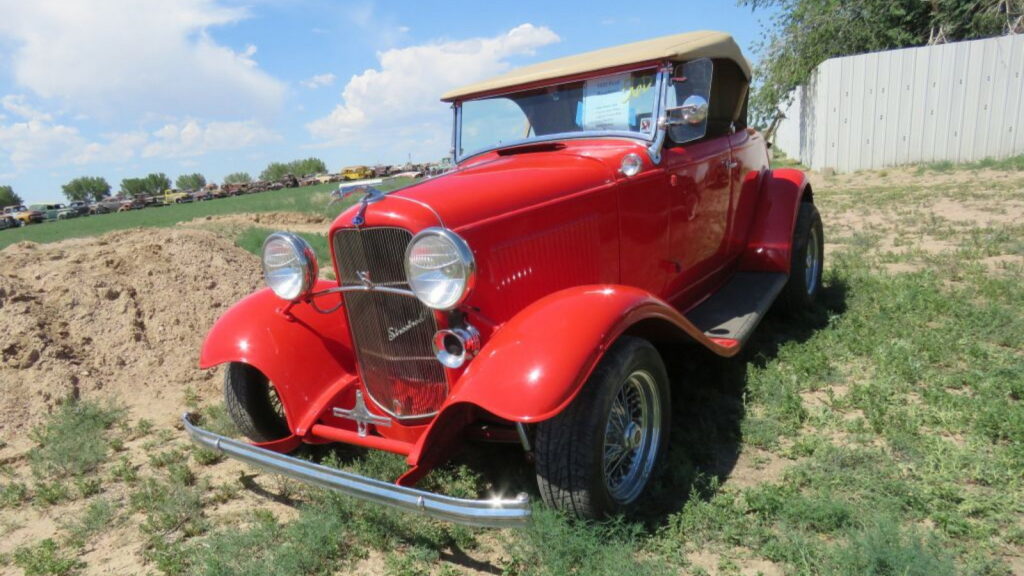
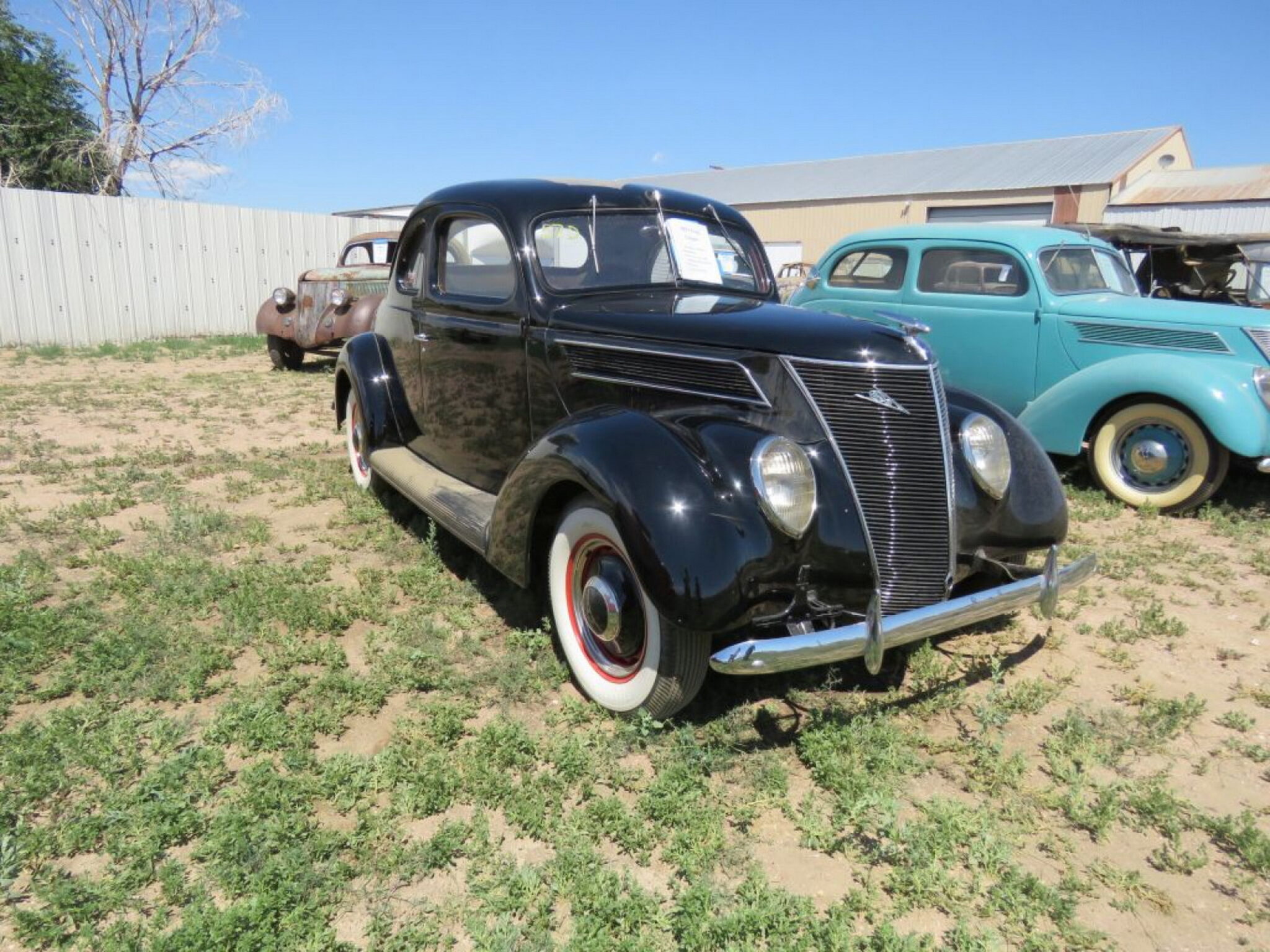
Classic Car Auction: The opening bid on a 1923 Ford Model T from a single-family collection in Kansas is exactly $0.50, which is less than a gas-station coffee and roughly one-twentieth of a single gallon of regular in most of the country. Three hundred cars — everything from brass-era runabouts to a NAPCO-converted four-wheel-drive pickup — are heading to a no-reserve auction, and the headline number has already convinced a certain kind of buyer that they’ve found the loophole. They haven’t. What they’ve found is a storage-lot full of mechanical unknowns, missing paperwork, and restoration bills that start where your mortgage ends. The fifty cents is the cheapest part of this entire transaction. Everything after the hammer drops is where your bank account actually gets tested.
Classic Car Auction: The Fifty-Cent Bid Is a Marketing Device, Not a Price
| Spec | Details |
|---|---|
| Starting Bid | $0.50 (some no reserve) |
| Number of Cars | 300 |
| Era | Model T to NAPCO Pickup |
| Estimated Restoration Cost | $50,000+ per car |
| Auction Date | To be announced |
Here’s what a starting bid of fifty cents actually does: it creates a headline, and headlines create bidding wars. Auction houses have run this play for decades, because a $0.50 opening gets shared ten thousand times while a $4,000 opening gets scrolled past. The cars will not sell for fifty cents. A running Model T with a clean title lands somewhere between $5,000 and $15,000 depending on body style and wood condition. A NAPCO 4×4 pickup, the genuinely desirable piece here, can clear $20,000 to $60,000 even in rough shape because the four-wheel-drive conversion parts alone are worth real money.
So the question every rational buyer should be asking is not “what will I bid?” but “what will this cost me by the time it’s in my driveway?” Transport from a rural collection runs $1 to $2.50 per loaded mile. A non-running car needs a flatbed, not a rollback, and that’s a $1,500 line item before you’ve touched a wrench. Then there’s the title question — some of these cars may have sat for forty years with paperwork that dissolved in a filing cabinet. No title means a bonded-title process that varies by state and can take months.
What You Feel Is Rust, Not Nostalgia
Walk the rows and your hands tell you the story before your eyes do. Run a palm along a rocker panel and you feel the crunch of filler over rot — a sound like stepping on dry leaves. Grab the frame rail behind the front wheel and your fingers come back orange with scale, which means the metal underneath is thin enough to flex. Open a door and the hinge drops a quarter-inch because the A-pillar has been carrying water since the Carter administration. None of this shows up in a photograph.
Sit in the driver’s seat of something that hasn’t run since 1978 and the smell hits the back of your throat — old mouse nest, varnished gasoline, and mildew in the horsehair padding. Turn the steering wheel and it moves through two inches of dead travel before anything happens at the front tires. That’s not a charming vintage quirk. That’s a steering box that needs rebuilding, a drag link with worn ends, and probably a kingpin set, which is a $1,200 job before labor. The seat springs poke through the cushion into your hip on the drive home — assuming it drives home.
The Short Answer, Then the Complication
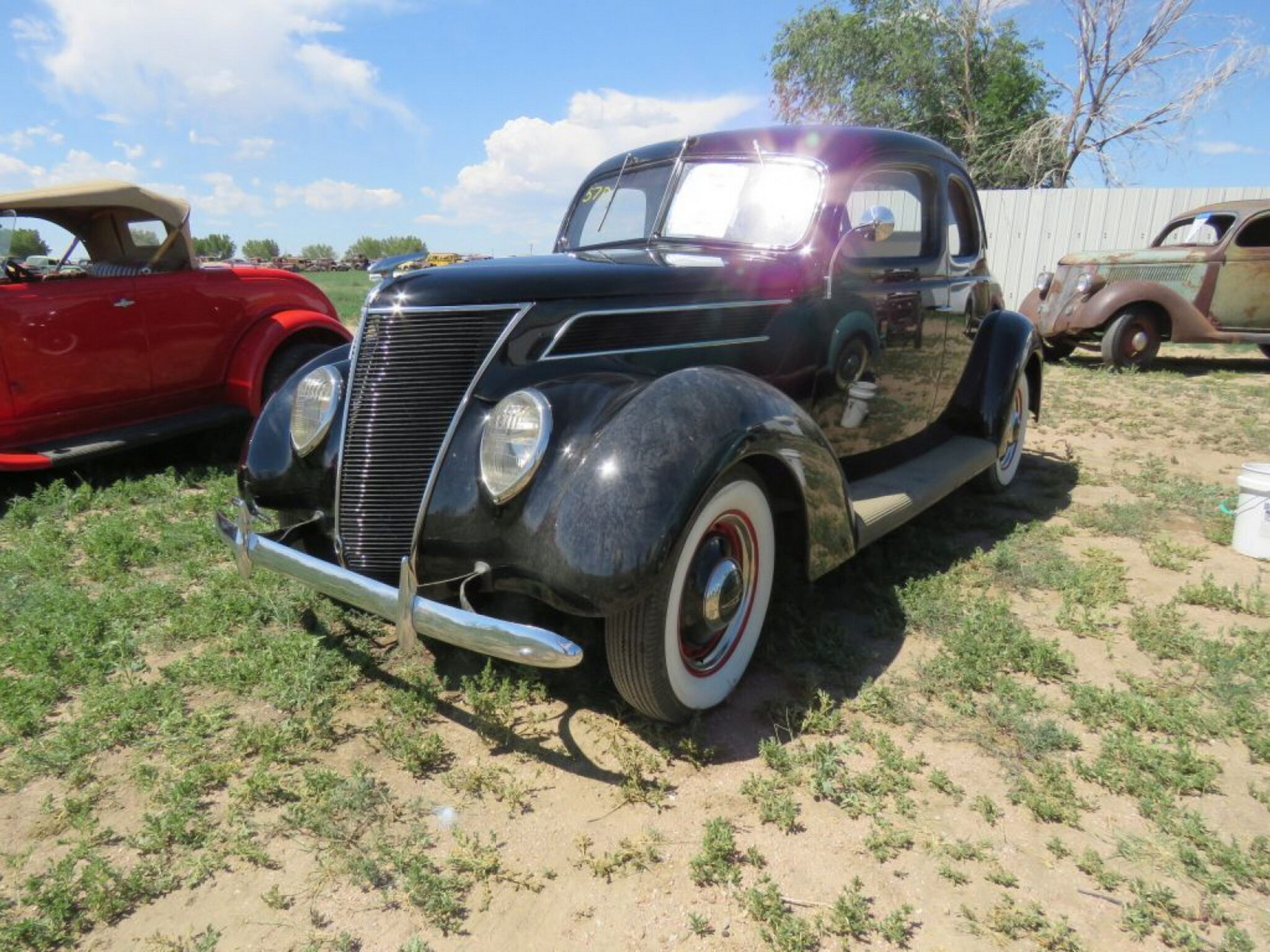
The short answer: if you have a $100,000 budget, a trailer, and a garage, this auction is a genuine opportunity to buy inventory below retail. The longer answer — and why the short answer might be wrong for you specifically — starts here. Most people reading this do not have a hundred grand set aside for a hobby that produces zero income and consumes storage space indefinitely.
Two ownership realities you’ll discover only after the gavel falls. First, restoration costs on a single car routinely exceed $50,000 — paint and body alone eats $15,000 to $25,000 on a full-frame job, and chrome plating has roughly doubled in five years because the EPA has squeezed the remaining shops. A car you bought for $3,000 can become a $60,000 car you can’t sell for $35,000. Second, insurance on a non-running project vehicle is awkward: most agreed-value policies require the car to be operational and stored in an enclosed space, so you’re paying for a garage you may not have.
Neither of these are dealbreakers. They’re just the things no showroom mentions until after you sign.
The Two Names You’ll Actually Compare Against
Mecum and Bring a Trailer are the real reference points, and the decision comes down to one thing: do you want to see the car in person before you commit money? Mecum runs live events where you can crawl underneath with a flashlight, and their buyer fees run around 10 percent on top of the hammer price. Bring a Trailer gives you a comment section full of strangers who will find the rust you missed, with buyer fees up to 5 percent. On a $25,000 winning bid, that’s a $2,500 difference in fees alone — roughly $70 a month if you financed it, which you shouldn’t.
Choose Mecum if you value physical inspection and can travel to the auction site. Choose Bring a Trailer if you’d rather let a mob of internet experts vet the car while you sit at your kitchen table.
Which Row You Should Be Standing In
The base tier here is anything without a title or with visible frame rot — those are parts cars, and the only person who should buy them is someone who already owns a running example and needs a fender. Skip them entirely if this is your first classic. The mid tier is the sweet spot: a complete, titled, largely intact car that hasn’t been disassembled. Buy that one. A car in boxes is worth roughly 40 percent of the same car assembled, because every previous owner’s abandoned project becomes your inventory puzzle.
The top tier is the NAPCO pickup, and here’s the honest calculation: even at $50,000, you’re buying a truck that needs another $40,000 to be right. Most people shouldn’t spend it. Take that $90,000 and buy a restored example from a dealer who already ate the restoration cost.
Picture a 58-year-old retired engineer in suburban Denver with a heated four-car garage and a lift. This auction is his exact answer — he has the tools, the time, and the space, and he’ll flip two cars to fund the third. Now picture a 31-year-old in a Chicago apartment with street parking and a 45-minute commute. This is the wrong answer entirely, because he has nowhere to put a car that doesn’t run, and his HOA will tow it within a week. The car is the same. The life is different.
Classic Car Auction: Frequently Asked Questions
Q: What is the starting bid for the Classic Car Auction?
Some cars in this Classic Car Auction start at just $0.50, but most will attract competitive bidding. Expect final prices to reflect market value, often $5,000 to $60,000 depending on model and condition.
Q: What are the hidden costs of buying from this Classic Car Auction?
Beyond the bid, factor in transport, restoration, and insurance. Restoration can exceed $50,000 per car, especially for rusted or incomplete vehicles. Always inspect for title issues and frame rust before bidding.
Q: Should I buy from this Classic Car Auction or wait?
If you’re a seasoned collector with a $100k+ budget, bid on a complete, titled NAPCO pickup. First-time buyers should wait; the cheap bid is a gimmick, and total costs can be six figures.