
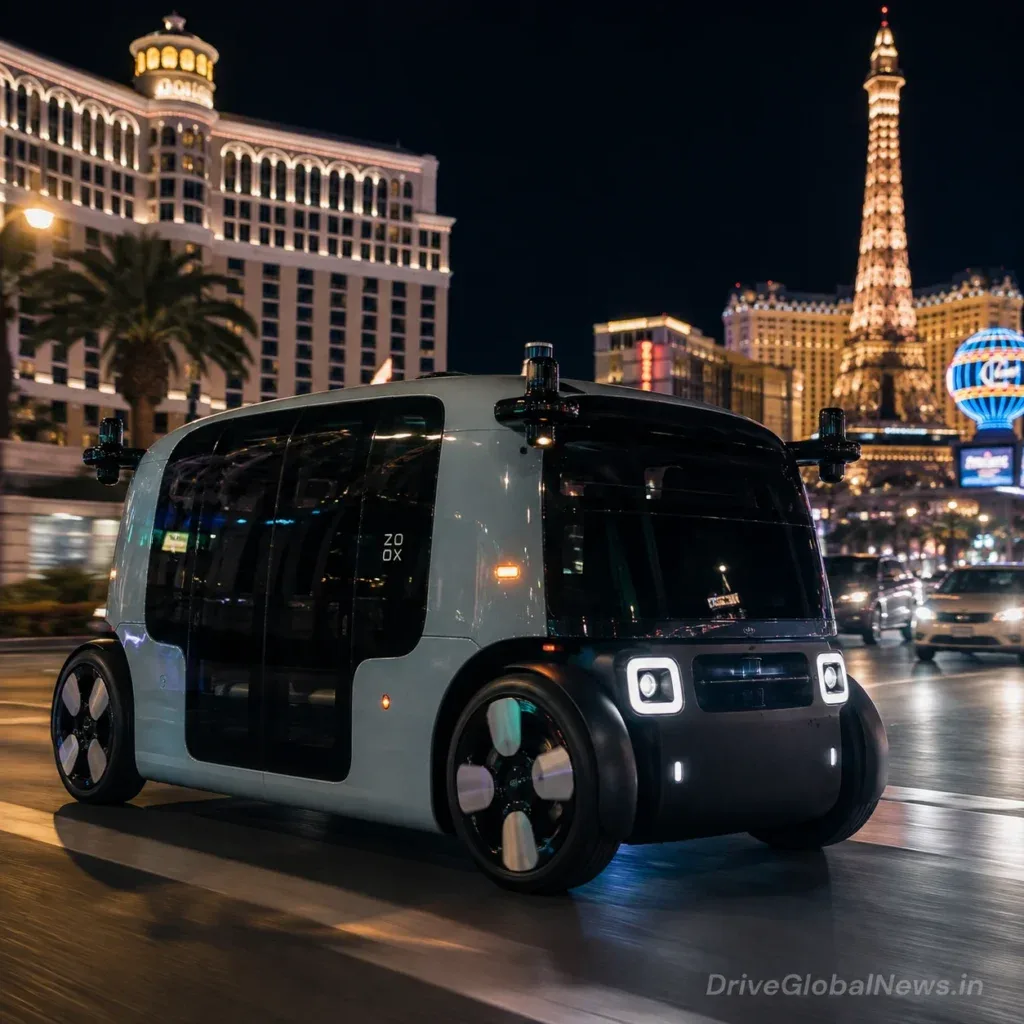
Amazon-owned Zoox flipped the switch on paid robotaxi rides in Las Vegas on August 10, 2026. After roughly a year of free demonstration rides, the company now charges passengers for trips in its purpose-built, steering-wheel-free vehicles. It is one of the first commercial deployments of a vehicle designed from the ground up as a robotaxi rather than a modified passenger car.
Here is what the service actually looks and feels like.
How the Service Works Riders download the Zoox app, request a pickup at one of the available locations (primarily around the Las Vegas Strip and resort corridor), and receive an estimated arrival time. At launch the fleet numbered around 65 vehicles, with authorization for more. Pickup and drop-off points are limited compared with traditional ride-hailing, focusing on high-traffic hotel, entertainment, and convention areas.
Fares are calculated from a base price plus distance and time. The final price is shown before booking and does not increase if the vehicle takes a longer route. Destination fees can apply for high-demand spots such as the Sphere, certain arenas, or the airport. Zoox has positioned pricing in the “comfort” tier — generally 20–40% (and in some early comparisons higher) above standard UberX or Lyft fares.
The Vehicle Itself Zoox’s robotaxi is a distinctive, pod-shaped electric vehicle with no steering wheel, pedals, or traditional front end.
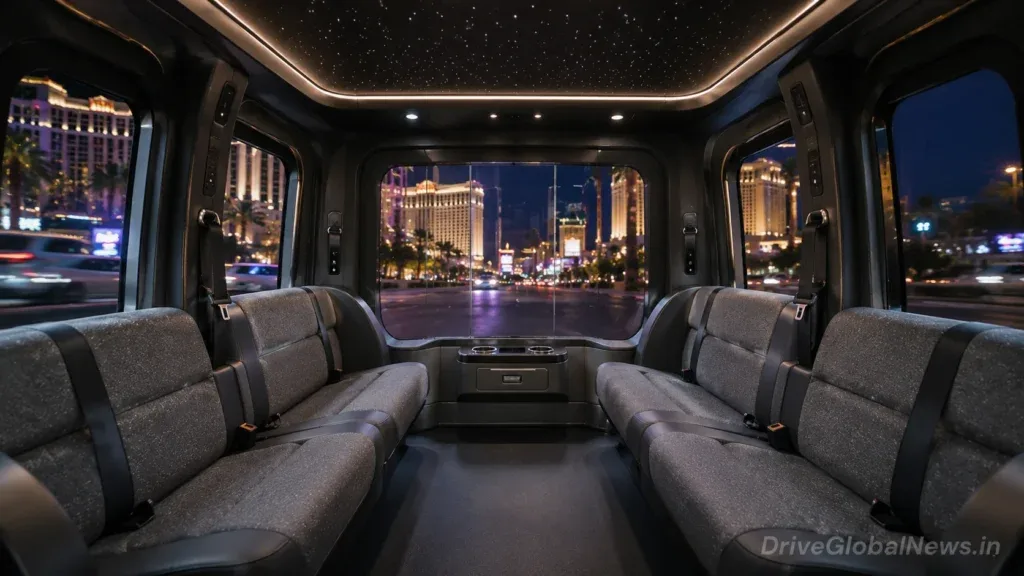
Four passengers sit in two facing pairs, creating a social, living-room-style layout rather than a conventional car interior. There is no driver’s seat. Large windows, ambient lighting (including a starry headliner effect in some descriptions), cupholders, wireless charging, and simple touch controls for climate and audio round out the cabin.
The design prioritizes the passenger experience. Doors open to invite riders in, and the absence of a cockpit makes the space feel open. It is clearly different from Waymo’s modified Jaguars or Tesla’s robotaxi approach using existing models.
What the Ride Feels Like Early passenger accounts and reviews from the free-pilot period describe the driving as generally smooth.
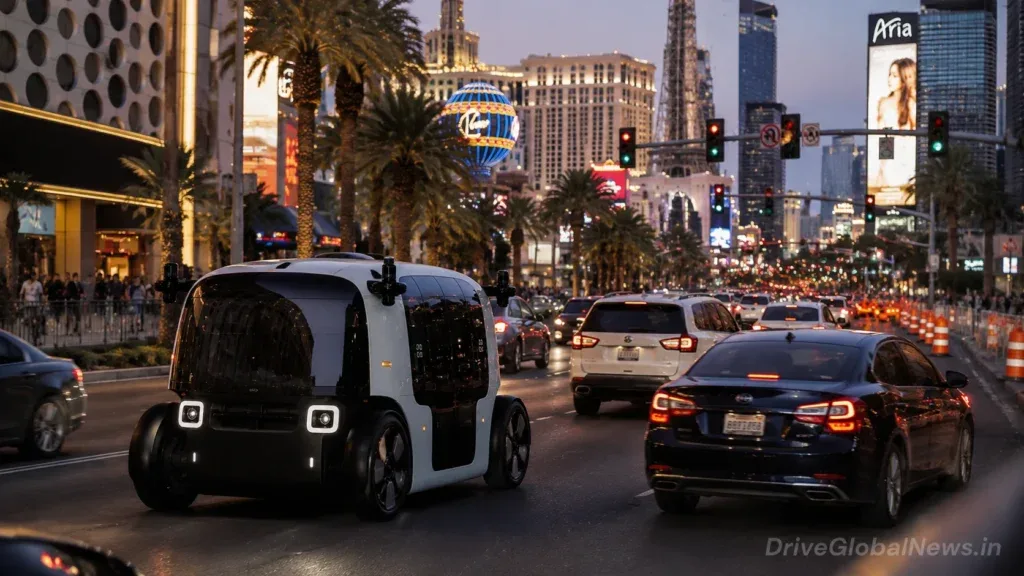
The vehicle accelerates, brakes, and navigates traffic with composure, obeys signals, and handles Strip traffic and side streets. Some riders note occasional caution around construction cones or complex situations, which is common in current autonomous systems. Wait times have varied — sometimes reasonable, sometimes longer during peak periods given the still-limited fleet size.
The overall sensation is less like a regular taxi and more like a novelty transport experience that happens to get you from point A to point B. Once the initial “no driver” novelty fades, the quiet electric operation and open cabin remain the lasting impressions.
How It Compares to Regular Ride-Hailing Zoox is more expensive than standard Lyft or Uber on many routes, according to early side-by-side checks.
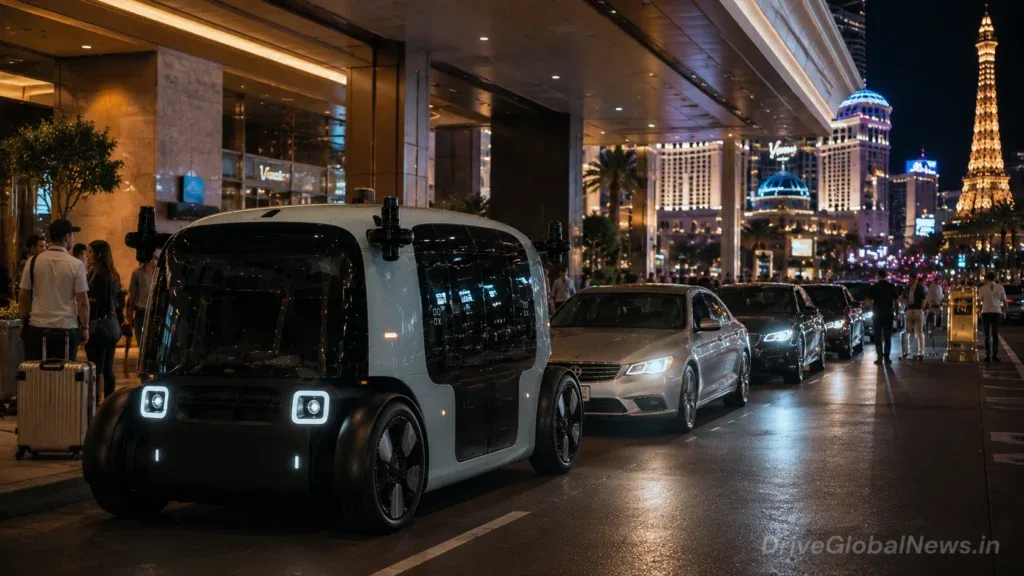
It competes more directly with comfort or premium tiers. In exchange, riders get a purpose-built autonomous vehicle, a unique seating layout, and the novelty of a fully driverless trip. Coverage is narrower than traditional apps, so it works best for trips between supported locations rather than arbitrary door-to-door service across the entire metro area.
Why Las Vegas and Why Now Las Vegas offered controlled high-visibility routes, strong tourism volume, and a regulatory path that allowed Zoox to move from free pilots to paid commercial service after receiving the necessary federal exemption. The company has also operated free rides in other cities, but Las Vegas is the first market where it is charging. Scaling will depend on vehicle production, additional regulatory approvals, and whether riders accept the premium pricing for the experience.
The Bottom Line Zoox’s paid launch in Las Vegas is a genuine milestone: a purpose-built robotaxi with no driver controls is now collecting fares from the public. The vehicles feel different and more experiential than conventional ride-hailing cars. Pricing sits above standard fares, the service area is still limited, and wait times can reflect the modest fleet size.
For visitors and locals willing to pay a premium for the novelty and the unique cabin, it is a workable and memorable option on supported routes. It is not yet a full replacement for Uber or Lyft across the city. That will take more vehicles, broader geographic coverage, and competitive pricing.
If you are in Las Vegas, the easiest way to judge it is to try one ride yourself. The difference from a normal car is obvious the moment the doors open and you realize there is no one in the front.
Have you ridden in a Zoox yet, or are you still waiting to see how the paid service settles in?