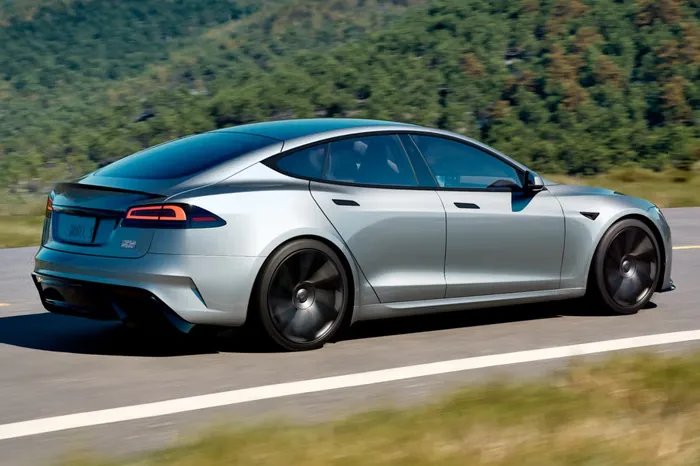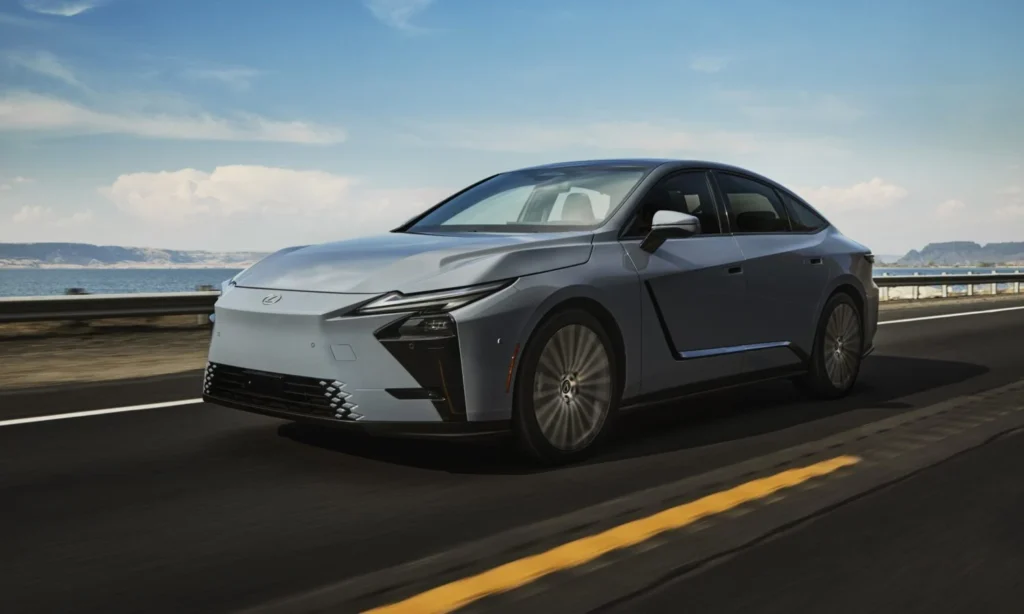
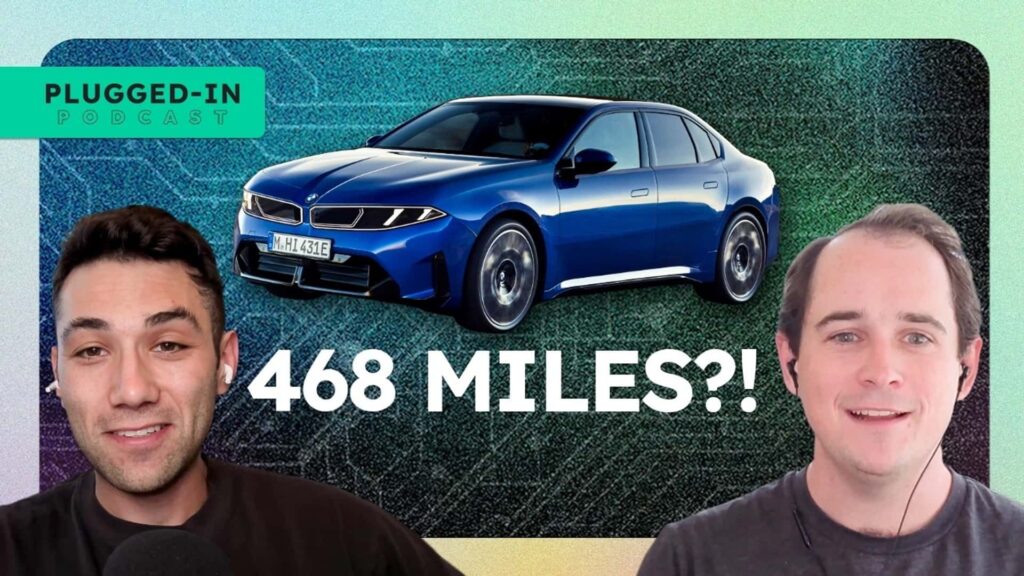
Someone floated a 468-mile range figure for the BMW i3, and nobody at BMW has confirmed a single digit of it. That is the entire story right now. A headline claims big range, the spec sheet stays empty, and American buyers are left guessing whether this is a real product or a rumor with a number attached.
What the BMW i3 Range Claim Actually Says
According to the headline report, the BMW i3 supposedly delivers 468 miles of range. No source document backs that up. No EPA filing exists. No press release. No pricing. No power figure. Consequently, the claim floats in the air without a single anchor.
Buyers deserve context here. The original BMW i3, the quirky carbon-bodied hatchback BMW sold from 2014 to 2021, topped out around 153 miles of EPA range in its final form. Therefore, a jump to 468 miles would triple the old car’s capability. That kind of leap demands documentation, not a headline.
Moreover, the source never clarifies whether 468 miles refers to EPA testing, WLTP, CLTC, or a manufacturer’s internal simulation. Those standards produce wildly different numbers. For instance, a WLTP figure typically runs 15 to 20 percent higher than its EPA equivalent. As a result, a 468-mile WLTP number could translate to roughly 390 miles on a US window sticker.
The verification notes attached to this story confirm the obvious. No official EPA range exists. No pricing exists. No specs exist. Until BMW publishes something, the 468-mile figure remains unverified.
Why the Missing Specs Matter More Than the Range
Range gets headlines because it sells cars. However, pricing decides whether buyers actually sign. This article cannot tell you what the BMW i3 costs, because BMW has not announced it. Similarly, power output, battery capacity, charging speed, and ground clearance all sit in the unknown column.
Meanwhile, the competitive set keeps moving. Tesla’s Model 3 and Hyundai’s Ioniq 6 both compete in the same electric sedan space, and both carry confirmed EPA ratings and published prices. Without verified i3 specs, no honest comparison is possible. That gap matters to anyone cross-shopping.
Consider the broader BMW picture, too. Our recent coverage on BMW’s strange 2025 sales year shows a brand juggling EV transitions and shifting buyer demand. Adding an unconfirmed halo model into that mix muddies the message further. Dealers cannot sell a number. They sell cars with window stickers.
Charging infrastructure adds another wrinkle. A 468-mile battery only helps if the car replenishes quickly on road trips. BMW has said nothing about peak charging kilowatts or 10-to-80 percent times. Therefore, the range claim, even if true, tells half the story.
What BMW Has Confirmed and What Remains Unverified
BMW has confirmed nothing about this specific range figure. The company allegedly plans some form of i3 revival, but the automaker has not announced a US launch date, trim structure, or battery supplier. Every performance number you see circulating traces back to the same thin headline.
This pattern repeats across the industry. Automakers leak, journalists speculate, and buyers inherit confusion. Per manufacturer specifications, the original i3 used a 42.2 kWh battery in its final 120 Ah form. A 468-mile claim implies a battery roughly three times larger, or a dramatic efficiency breakthrough. Neither has been detailed.
Pricing remains the loudest silence. Electric sedan shoppers in 2025 expect transparent numbers. The Tesla Model 3 starts around $42,000 before incentives. The Ioniq 6 undercuts that in some trims. If BMW positions the i3 above both without confirmed specs, the value argument collapses before it starts.
Buyers seeking confirmed US specs or pricing should walk away from the hype for now. The financial stakes stay unknown because the price stays unknown. That is not a buying environment. It is a waiting room.
Frequently Asked Questions
Q: Is the BMW i3’s 468-mile range official?
No. The 468-mile figure remains unverified because BMW has not confirmed it through an EPA filing, press release, or official specification sheet. Therefore, treat the number as a claim rather than a certified range until the automaker publishes formal data.
Q: Why does an unverified range claim matter to buyers?
Buyers rely on confirmed range figures to plan daily commutes and long trips. However, an unverified claim can create false expectations about charging stops and ownership costs. Consequently, shoppers should wait for official EPA or WLTP ratings before making a decision.
Q: What should I check before trusting any EV range figure?
Always look for the testing standard behind a range number, such as EPA or WLTP. Moreover, check whether the automaker has published official specs and pricing. For example, a headline alone rarely provides enough verified detail for a purchase decision.
What Buyers Should Do Now
Option One: Wait for official BMW documentation. Hold your deposit until BMW publishes EPA range, pricing, and power figures through a press release or EPA filing. Verified data beats viral numbers every time.
Option Two: Cross-shop confirmed alternatives. Test drive the Tesla Model 3 and Hyundai Ioniq 6 this month, since both carry published specs and real availability. You can always switch back if BMW delivers.
Option Three: Track the story through reliable outlets. Follow our latest BMW coverage and set a dealer alert for official announcements. When the BMW i3 finally gets real numbers, you will know within hours, not months.