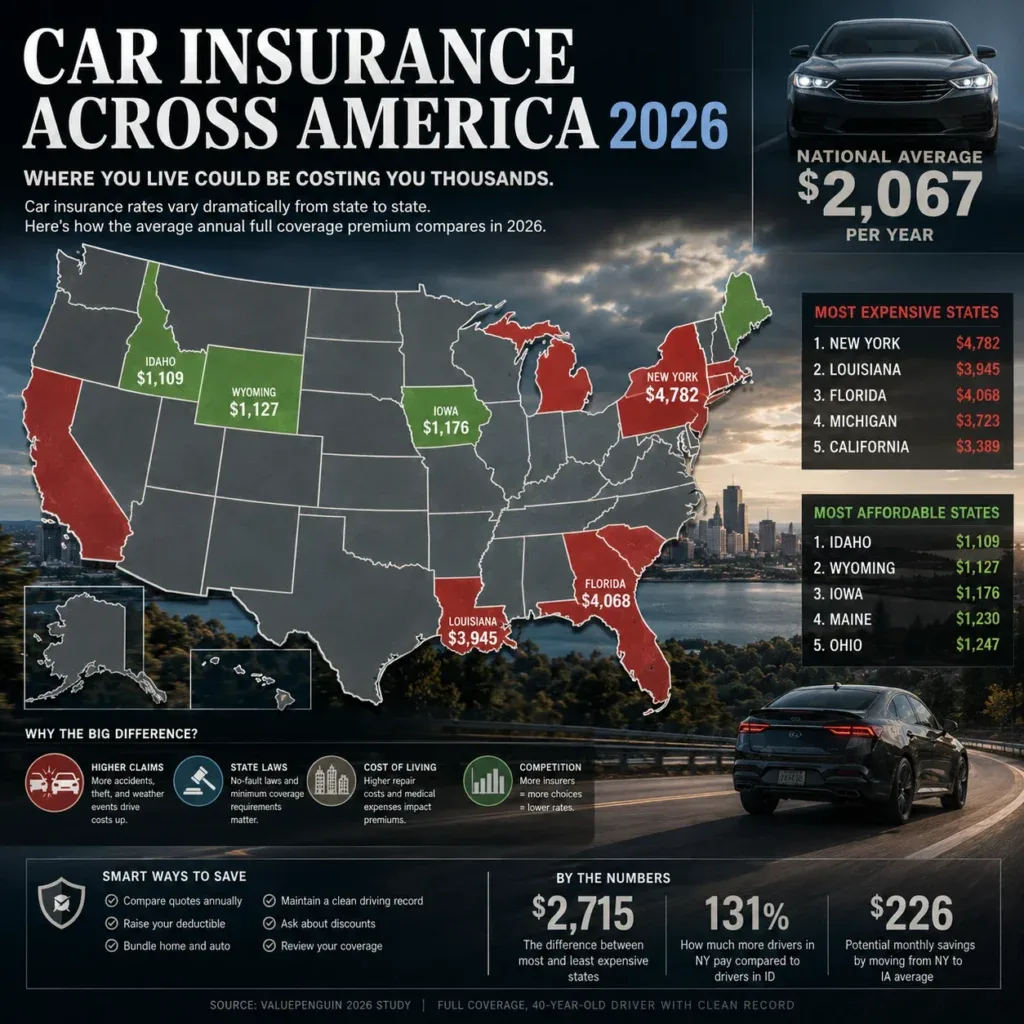
Buying your first car is exciting. Paying for the insurance that comes with it is often a shock. First-time and young drivers consistently face some of the highest premiums in the market because insurers see them as higher risk.
In 2026 the gap between a carefully chosen policy and an expensive one remains large. The difference can easily reach hundreds or even thousands of dollars a year. Here is how to keep costs under control from day one.
Why First-Time Buyers Pay More Insurers price based on risk. New drivers have less experience and higher claim rates statistically. Age, driving record (or lack of one), credit in most states, location, and the vehicle itself all push rates upward. Full coverage for a young standalone driver often runs several times higher than the national average for experienced adults.
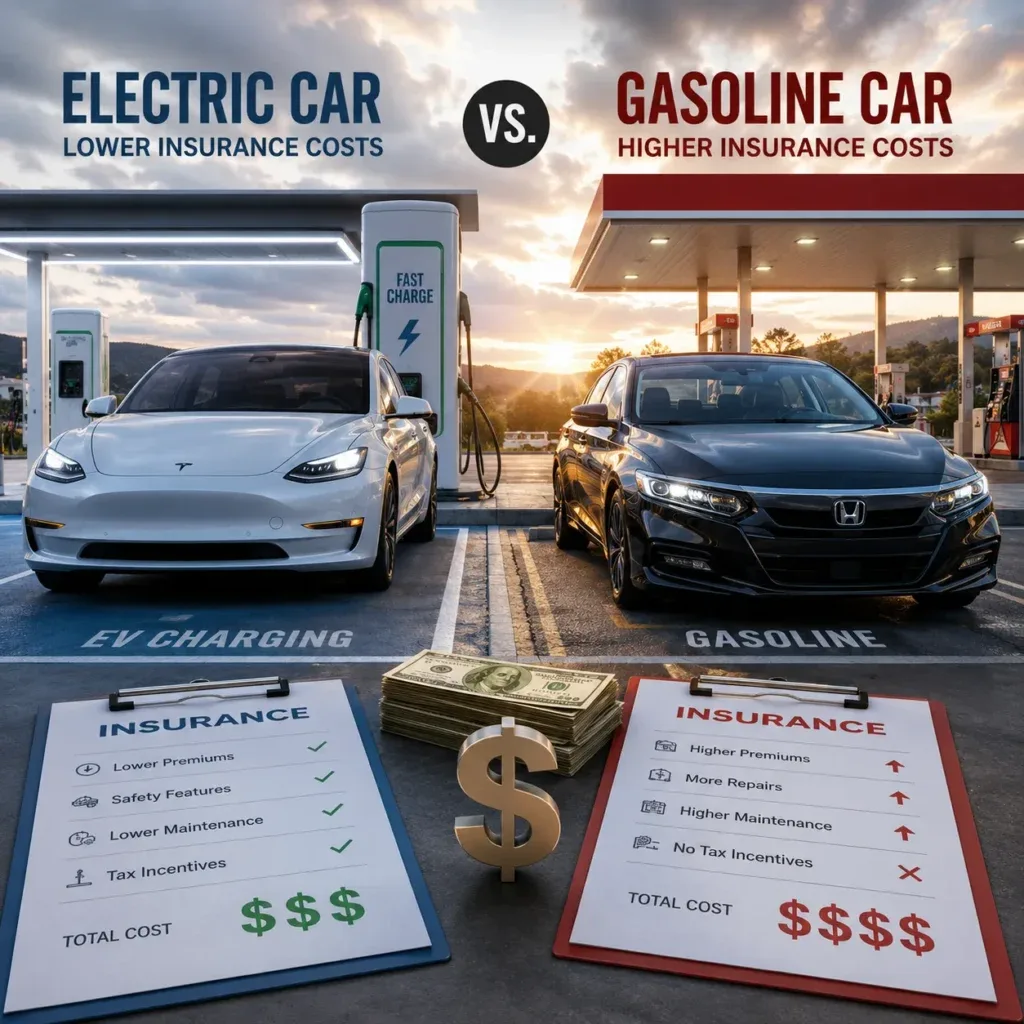
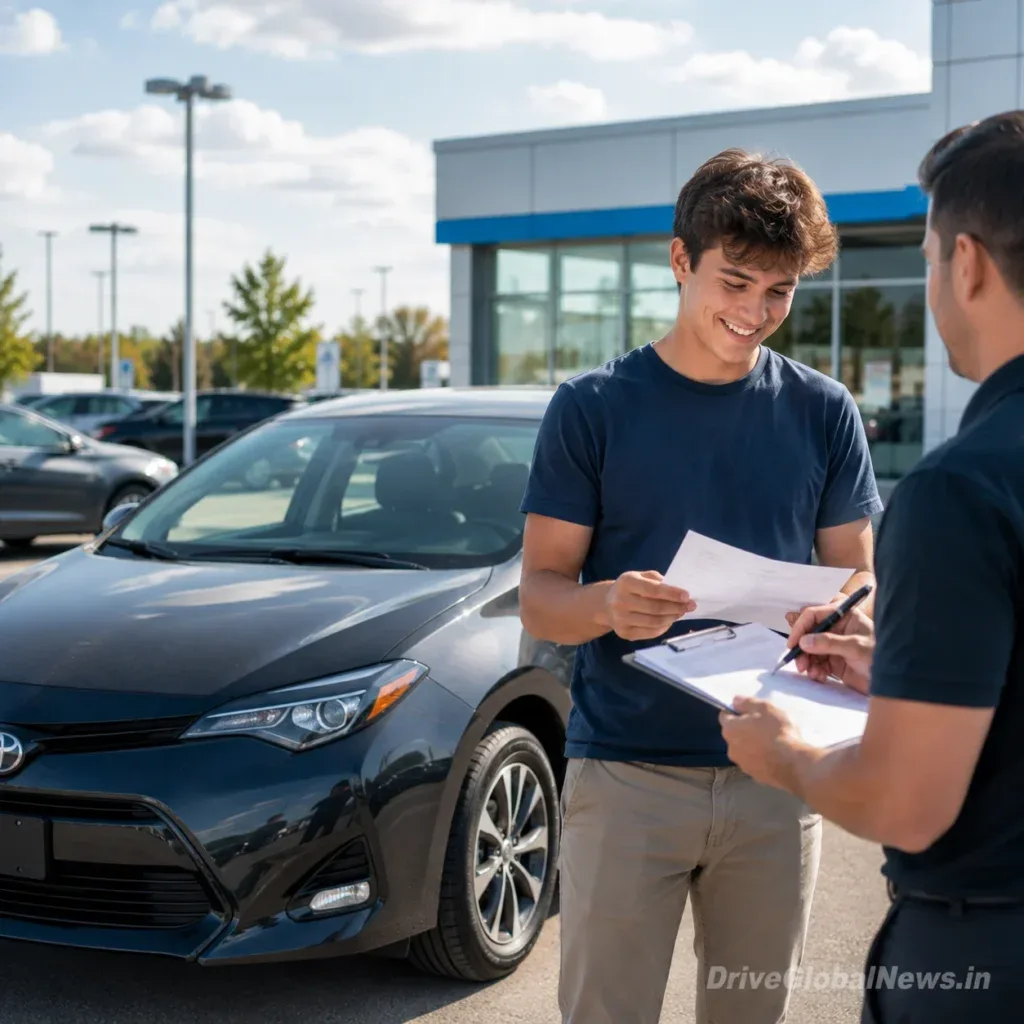
1. Choose the Car Before You Buy Insurance Quotes The vehicle you pick has a major impact on the premium. High-performance cars, expensive luxury models, sports cars, and vehicles with high theft rates cost more to insure. Safer, more common, lower-value vehicles — especially older used models with strong safety ratings — generally cost less.
Get insurance quotes on specific cars you are considering before you commit to buying. A car that looks affordable on the lot can become expensive once insurance is factored in.
2. Stay on a Family Policy If You Can For many young drivers still living at home or with a permanent family address, remaining on a parent’s policy is significantly cheaper than buying a standalone policy. Multi-car and multi-driver household discounts often make the combined cost lower than separate policies. Confirm the rules with the insurer — the car usually needs to be primarily garaged at the policy address.
3. Shop Multiple Quotes — Aggressively 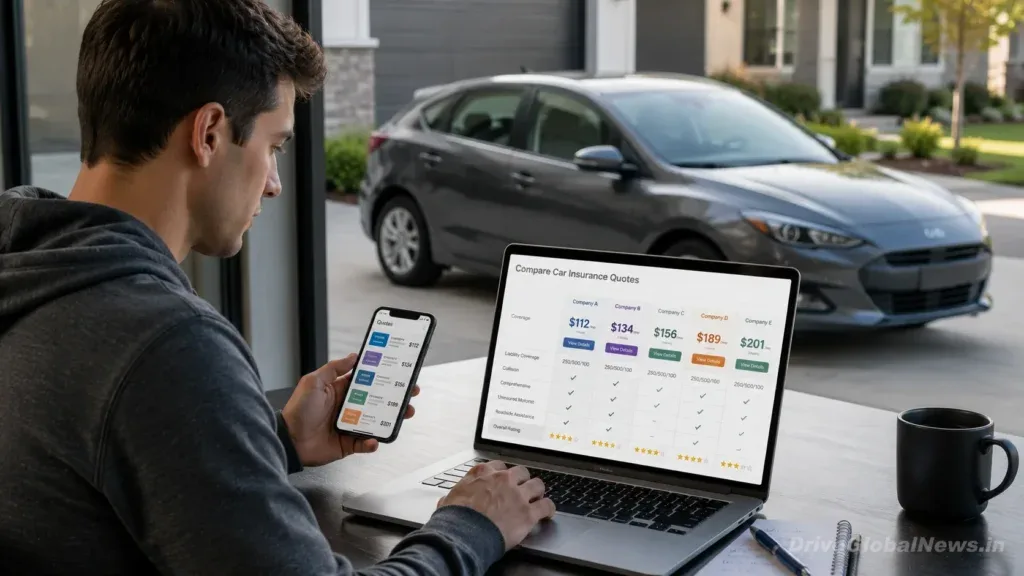
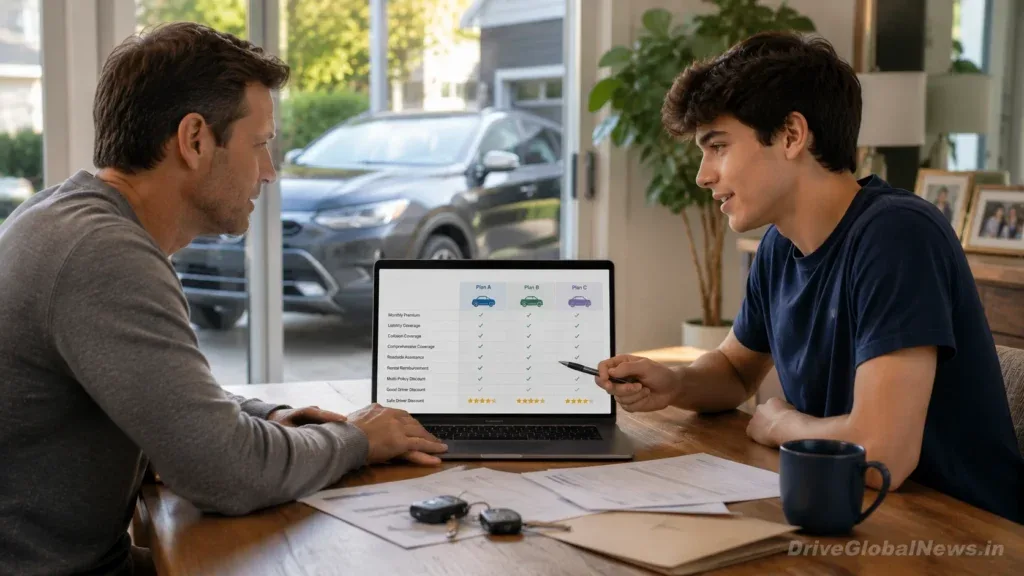
Rates for the same driver and vehicle can vary widely between companies. Get quotes from at least three to five insurers. Include both big national companies and any strong regional carriers in your area. Do this before you finalize the car purchase and again at every renewal.
4. Use Every Discount You Qualify For Common discounts that help first-time buyers include:
- Good student discounts (often for B average or better)
- Driver’s education or defensive driving course completion
- Telematics or usage-based programs that monitor safe driving
- Bundling auto with renters or homeowners insurance
- Paying the full premium upfront instead of monthly
- Paperless billing and automatic payments
Ask specifically about each one. Many are not applied automatically.
5. Raise Your Deductible Carefully A higher deductible (the amount you pay out of pocket before insurance kicks in) lowers the premium. Moving from $500 to $1,000 can produce meaningful savings. Only choose a deductible you can actually afford to pay if you have a claim.
6. Buy the Coverage You Actually Need State minimum liability is the legal floor, but it is often too low if you cause a serious accident. Full coverage (comprehensive and collision) is usually required if the car is financed or leased. For an older paid-off car with low value, dropping comprehensive and collision may make sense once you understand the risk. Match coverage to the car’s value and your financial situation.
7. Build a Clean Record and Watch Your Credit A single ticket or accident early on can keep rates elevated for years. Drive carefully. In most states credit also influences the rate — paying bills on time helps over time.
Common Mistakes That Cost Money
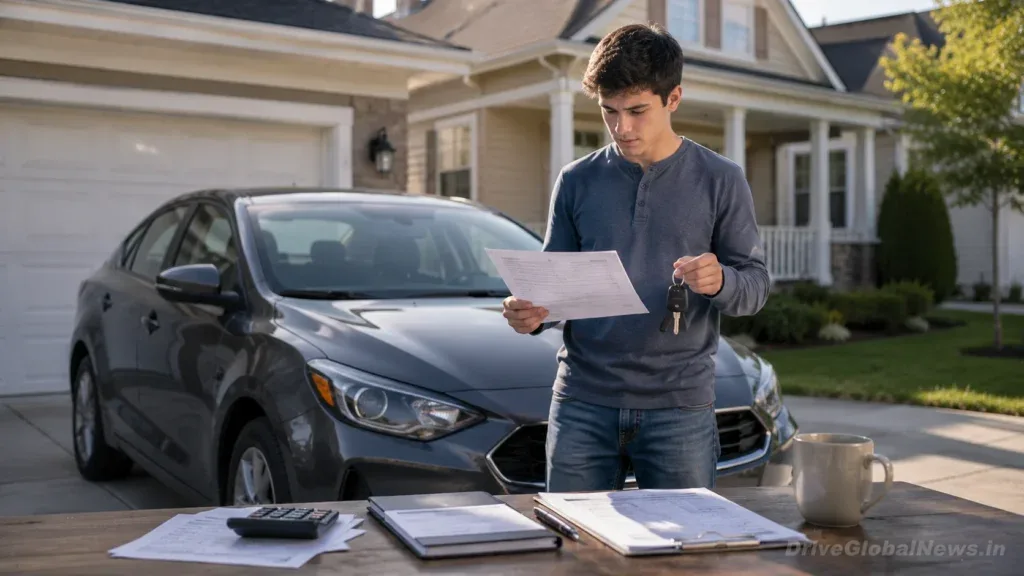
- Buying the car first and only then checking insurance
- Taking the first quote without comparing
- Choosing a high-risk vehicle for the insurance group
- Ignoring discounts or telematics programs
- Letting coverage lapse, which raises future rates
The Bottom Line First-time car insurance in 2026 is expensive by design, but it is not fixed. The biggest levers are the car you choose, whether you can stay on a family policy, how thoroughly you compare quotes, and how many discounts you claim. Handle those steps before you sign for the vehicle and you will avoid overpaying from the first premium.
Start with quotes on the specific cars you like, stack every discount you qualify for, and treat insurance cost as part of the true purchase price. That approach saves real money from day one.
Are you buying your first car soon, or have you already been surprised by an insurance quote?