
Buying an SUV is rarely just about the sticker price. Fuel, maintenance, and insurance all add up over time — and insurance is the cost many shoppers overlook until the first bill arrives.
In 2026, the gap between the cheapest and most expensive SUVs to insure is wider than many people expect. Some compact and midsize models land well below the segment average, while certain luxury and electric SUVs can cost nearly twice as much to cover.
Here’s a clear look at which SUVs cost the least and most to insure right now, and what actually drives those differences.
Average Cost to Insure an SUV in 2026
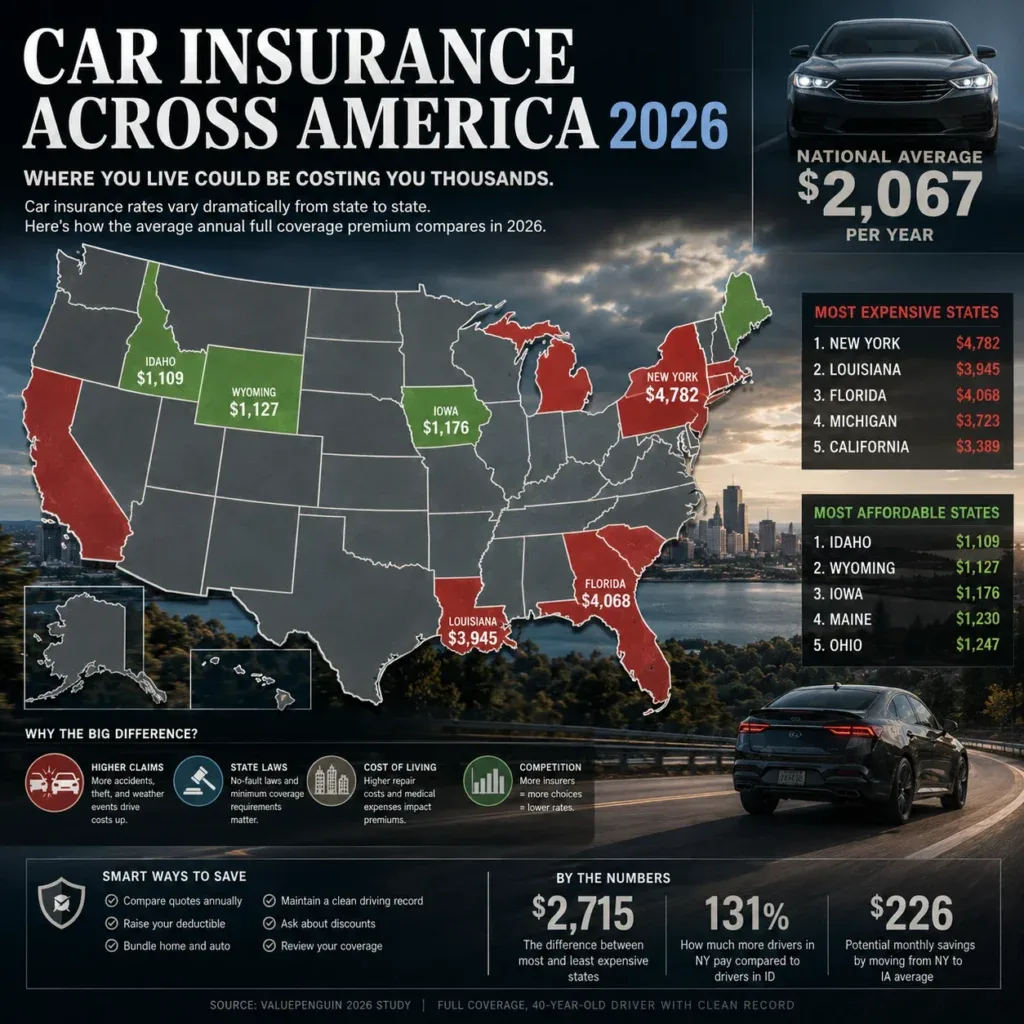
Full-coverage insurance for a typical SUV currently averages roughly $180–$230 per month for a standard driver profile, depending on the source and coverage level. That’s often a bit higher than a comparable sedan, mainly because of higher vehicle values and repair costs, but the difference is smaller than many expect.
Your actual rate will still depend heavily on your age, location, driving record, credit (in most states), and the exact trim and options on the vehicle.
The Cheapest SUVs to Insure in 2026
Recent analyses from insurers and comparison sites consistently point to the same group of models. Practical, high-volume SUVs with strong safety ratings and relatively affordable repair costs tend to come out on top.
Among the lowest-cost options this year:
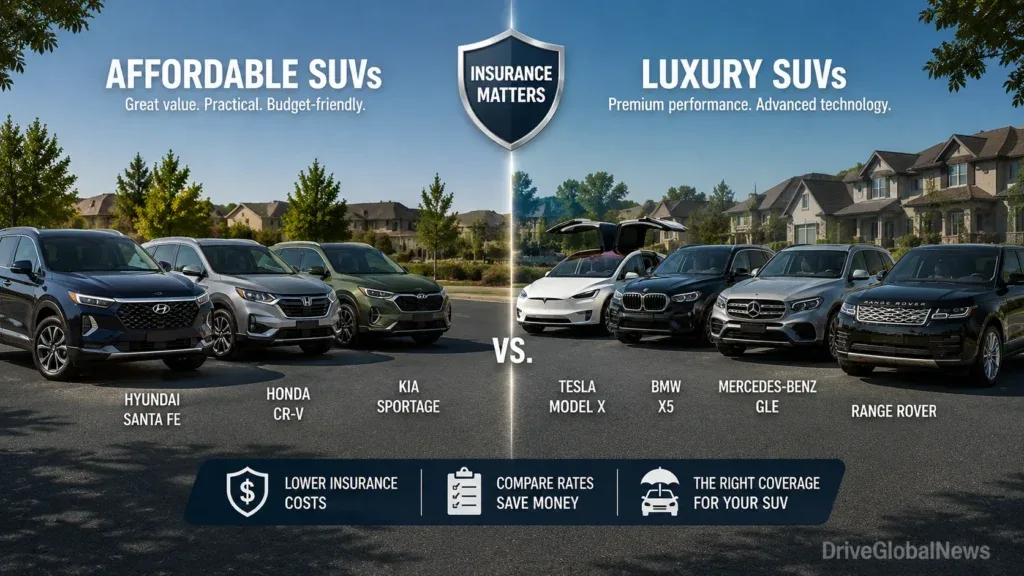
- Hyundai Santa Fe
- Honda CR-V, HR-V, Pilot, and Passport
- Kia Sportage, Sorento, and Soul
- Subaru Outback, Forester, and Crosstrek
- Chevrolet Blazer and Equinox
- Mazda CX-5
- Ford Escape
Mercury Insurance’s 2026 ranking of the most affordable new SUVs to insure put the Hyundai Santa Fe at the top, followed by the Chevrolet Blazer and Honda Pilot. Honda and the Hyundai-Kia group dominate the list. These vehicles benefit from high production volumes (which keeps parts cheaper), solid safety scores, and driver profiles that insurers view as lower risk.
Compact and midsize models generally cost less to insure than large luxury or performance SUVs. Even some full-size family SUVs can land in a reasonable range when they have strong safety equipment and moderate claim histories.
The Most Expensive SUVs to Insure
At the other end of the spectrum, luxury, performance, and certain electric SUVs carry the highest premiums.
Models that frequently rank among the costliest:
- Tesla Model Y and Model X
- Porsche Cayenne
- Land Rover Range Rover
- Mercedes-Benz GLE
- BMW X5 and larger X models
- Cadillac Escalade
- Some high-trim Jeep Grand Cherokee and Toyota 4Runner versions
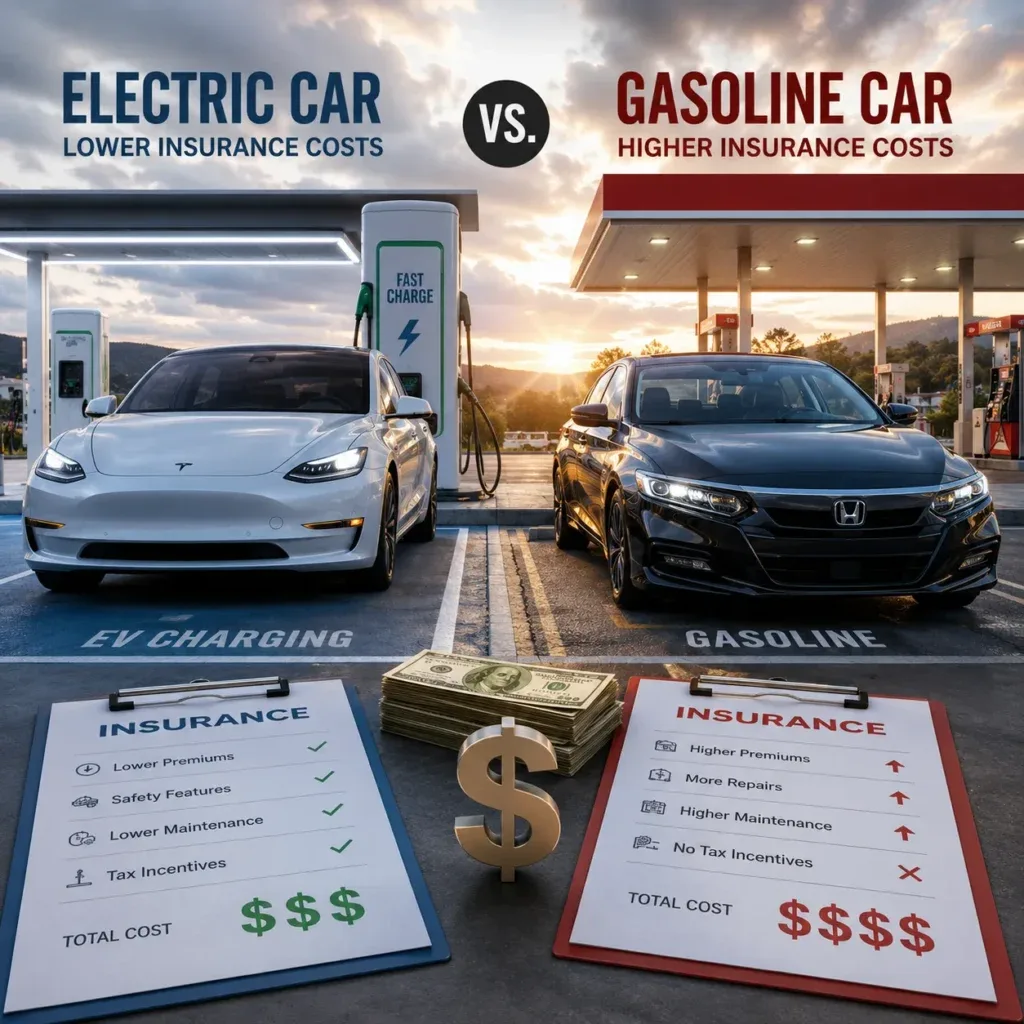
Electric SUVs often cost more because of expensive battery and specialized repair costs. Luxury brands carry higher parts prices and, in some cases, higher theft or claim severity. Performance-oriented or very large SUVs also tend to attract higher rates.
The difference can easily reach $1,500–$3,000 or more per year between a basic Honda or Hyundai SUV and a high-end European or Tesla model for the same driver.
What Actually Affects SUV Insurance Rates
Several factors explain why two SUVs can have very different premiums:
- Vehicle value and repair costs — More expensive cars and those with specialized parts cost more to fix or replace.
- Safety ratings and claim history — Models with strong crash-test results and fewer insurance claims usually earn better rates.
- Theft rates — Some popular SUVs have higher theft frequencies, which raises comprehensive coverage costs.
- Power and performance — Higher-horsepower trims often cost more.
- Electric vs. gas — Battery replacement and specialized repair networks push many EV rates higher.
- Your personal factors — Age, location (especially ZIP code), credit, and driving record still matter more than the vehicle itself in many cases.
How SUV Owners Can Lower Their Rates
Even if you already own a higher-cost model, you still have options:
- Shop multiple insurers every renewal period — rates for the same SUV can vary widely.
- Raise your deductible if you can comfortably afford a larger out-of-pocket amount.
- Ask about multi-policy, multi-car, safe-driver, and telematics discounts.
- Maintain a clean driving record and good credit.
- Consider usage-based programs if you drive relatively few miles.
The Bottom Line
In 2026, the cheapest SUVs to insure are mostly practical models from Honda, Hyundai, Kia, Subaru, and Chevrolet. The most expensive tend to be luxury European SUVs, high-end Teslas, and certain large or performance-oriented models.
If insurance cost is a priority, getting a few quotes on the specific model and trim you’re considering before you buy can save hundreds of dollars a year. The difference between a low-cost and high-cost SUV is often larger than the difference in monthly payments on the vehicle itself.
For more ways to cut your bill, check our guide on the 5 car insurance discounts most Americans never claim. And remember that your ZIP code can dramatically change what you pay — sometimes more than the model of SUV you choose.
Which SUV are you insuring (or shopping for), and how does the rate compare to what you expected? Share your experience in the comments.