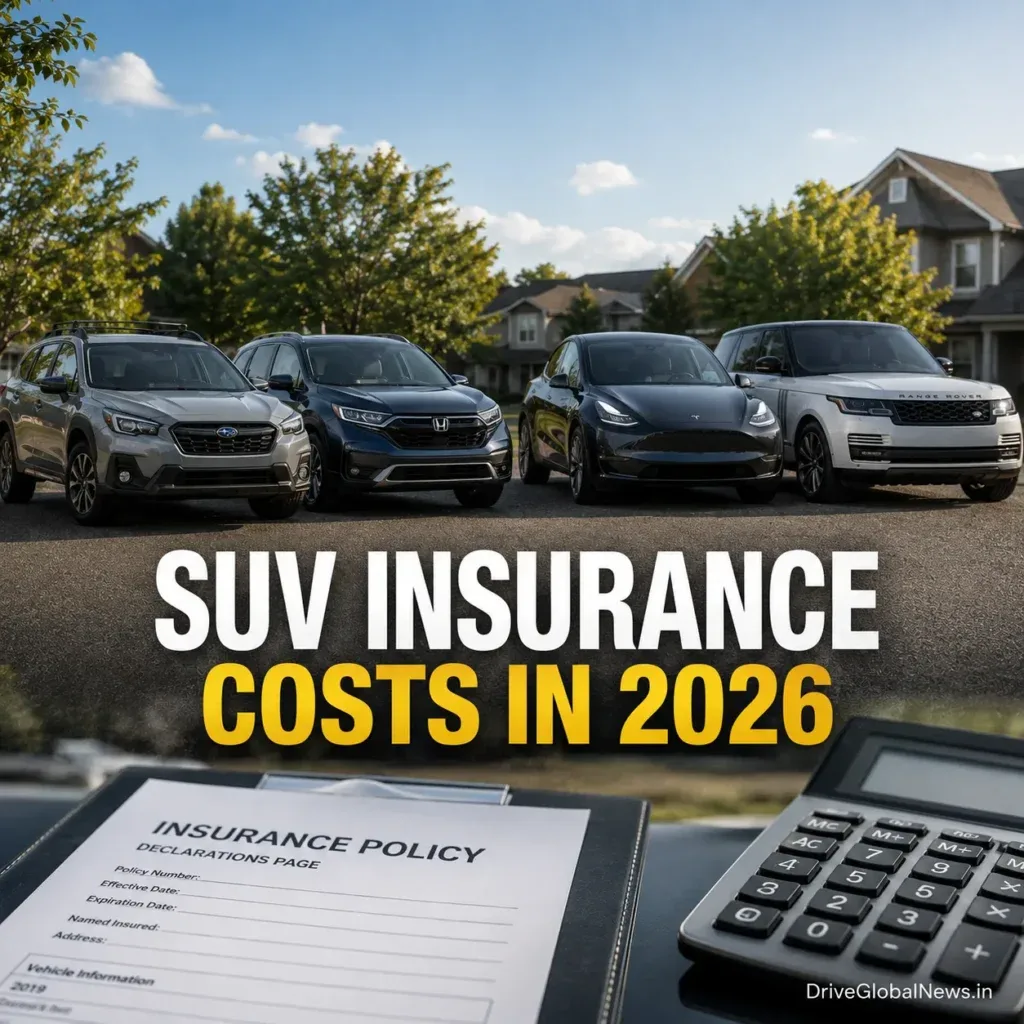
SUV owners do not all pay the same. In 2026 the gap between the cheapest and most expensive models to insure is large enough to matter in a monthly budget. Compact and midsize mainstream SUVs with strong safety scores, common parts, and moderate repair costs sit at the low end. High-value luxury, performance, and some electric models sit at the high end.
Rates below are averages drawn from recent 2026 industry analyses for a typical adult driver with full coverage. Your own quote will move with age, ZIP code, record, credit (where used), and coverage limits.
The Least Expensive SUVs to Insure Several sources put the same group of vehicles near the bottom of the cost list:
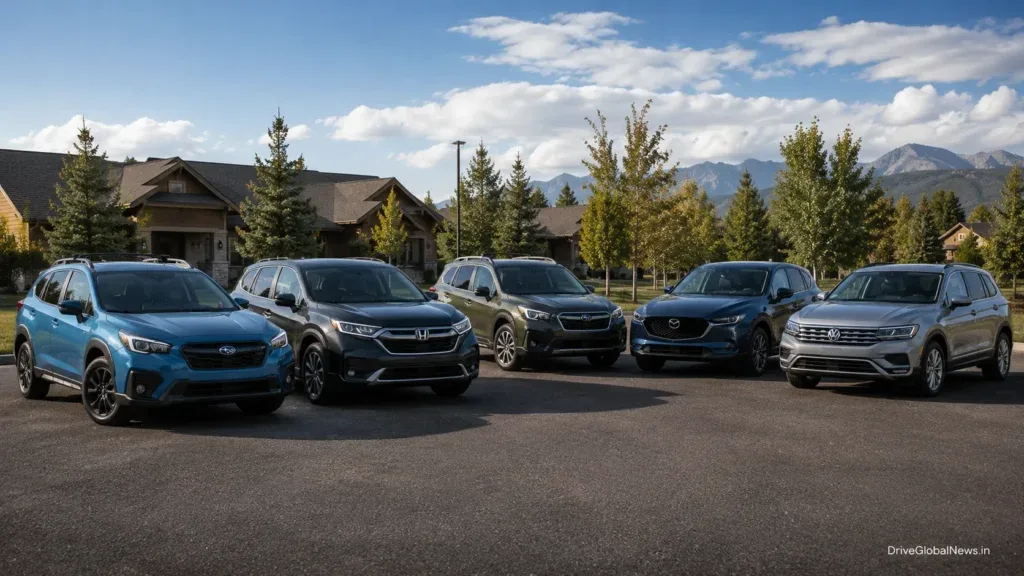
- Subaru Crosstrek — Frequently the cheapest or near-cheapest SUV, with average full-coverage figures around $190–$200 per month in multiple datasets.
- Honda CR-V — Consistently low. Huge installed base means parts are easy and claims data is stable. Monthly averages often land near $190–$195.
- Subaru Forester and Outback — Standard all-wheel drive and strong safety ratings help keep premiums competitive.
- Mazda CX-5 and Volkswagen Tiguan — Compact size, good crash scores, and reasonable repair costs keep them in the lower band.
- Jeep Wrangler — Appears on several “cheapest” lists despite its image; claim patterns and parts availability work in its favor for many drivers.
- Hyundai and Kia crossovers (Santa Fe, Sportage, Sorento, Tucson territory) — Regularly show up in carrier-specific rankings of affordable SUVs to insure.
Smaller, lower-priced crossovers such as the Buick Envista and certain Honda HR-V configurations also post some of the lowest overall vehicle rates in broader 2026 studies.
The Most Expensive SUVs to Insure At the other end:
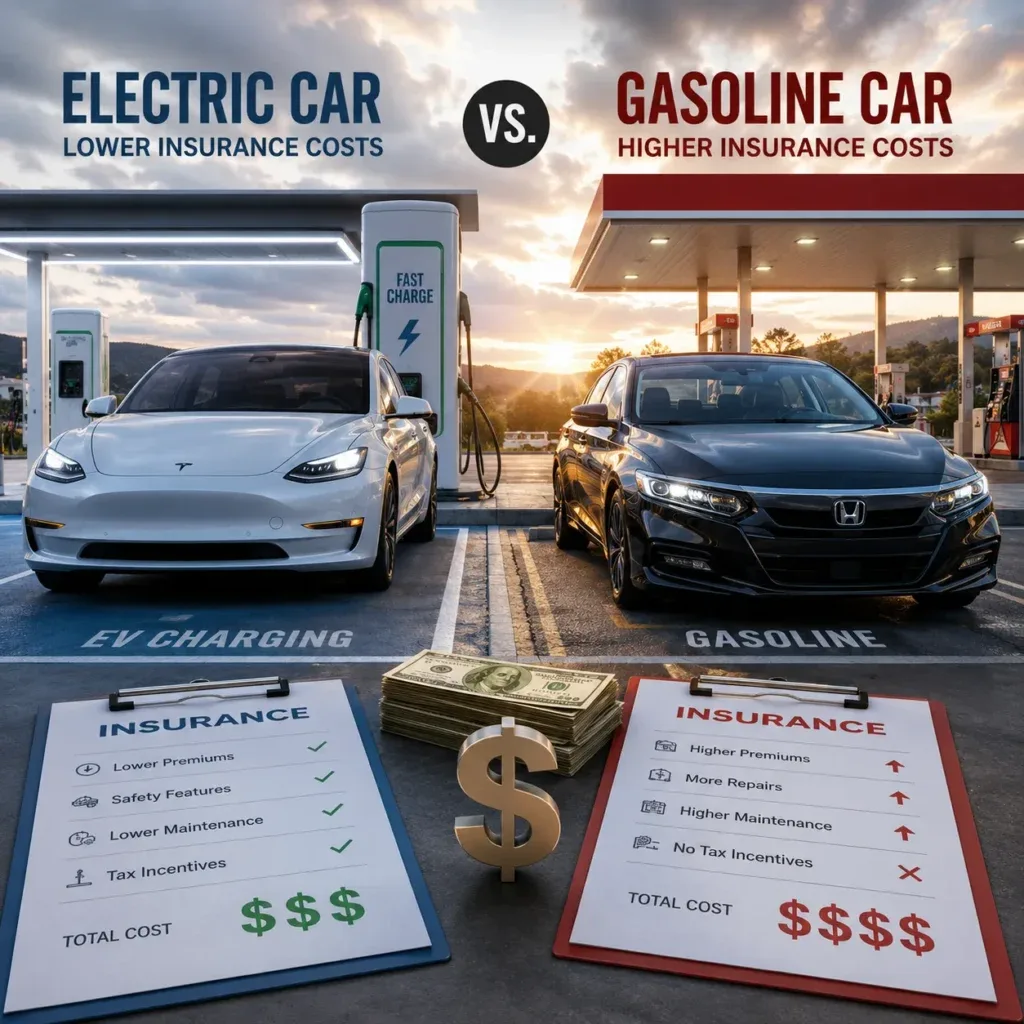
- Tesla Model Y and Model X — Electric vehicles with high repair costs for body and battery-related work often push premiums well above mainstream SUVs. Some datasets show the Model Y among the costliest popular SUVs and the Model X near the top of the entire segment.
- Luxury and performance models — Porsche Cayenne, Range Rover, Mercedes-Benz GLE, BMW X5, and similar vehicles carry higher comprehensive and collision costs because of vehicle value and specialized repairs.
- Some full-size and high-trim domestic and import SUVs — Higher MSRPs and more complex equipment raise the stakes on a total loss or major claim.
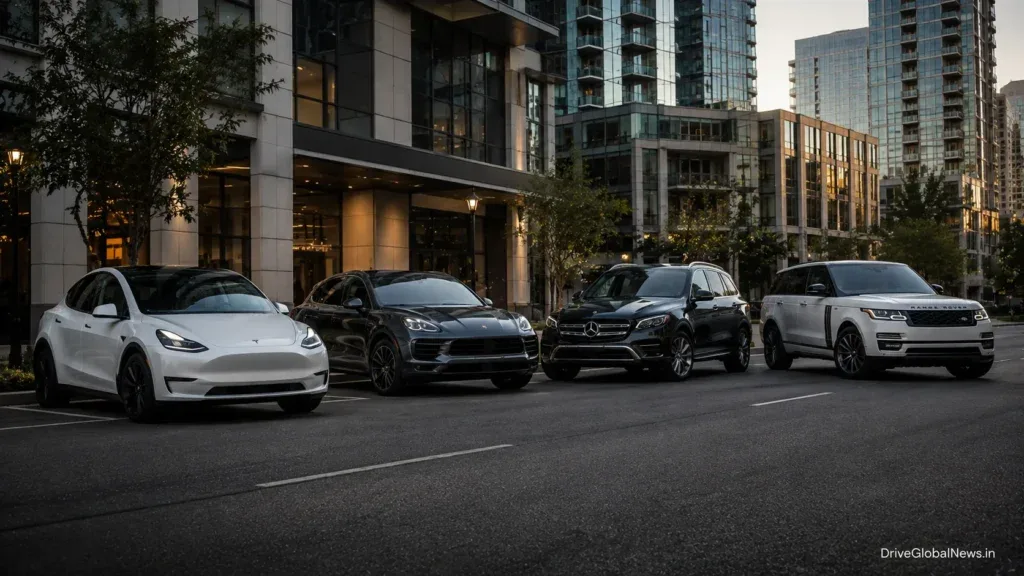
Even within luxury, there is a spread. An Acura RDX or certain Cadillac and Lincoln models can be meaningfully cheaper to insure than a Range Rover or high-end German SUV.
Why the Difference Exists Insurers price the risk of claims and the cost of fixing or replacing the vehicle. Factors that keep premiums lower include:
- Strong crash-test and real-world safety results
- Lower vehicle value and widely available parts
- Lower theft rates and modest repair complexity
- Driver demographics that historically produce fewer expensive claims
Factors that raise premiums include high MSRP, expensive sensors and bodywork, battery packs, performance positioning, and higher average claim severity. Electric SUVs often cost more to insure than comparable gas models for those reasons, not because they are driven more aggressively.
What SUV Owners Can Do Right Now Shop multiple carriers with the exact same coverage.
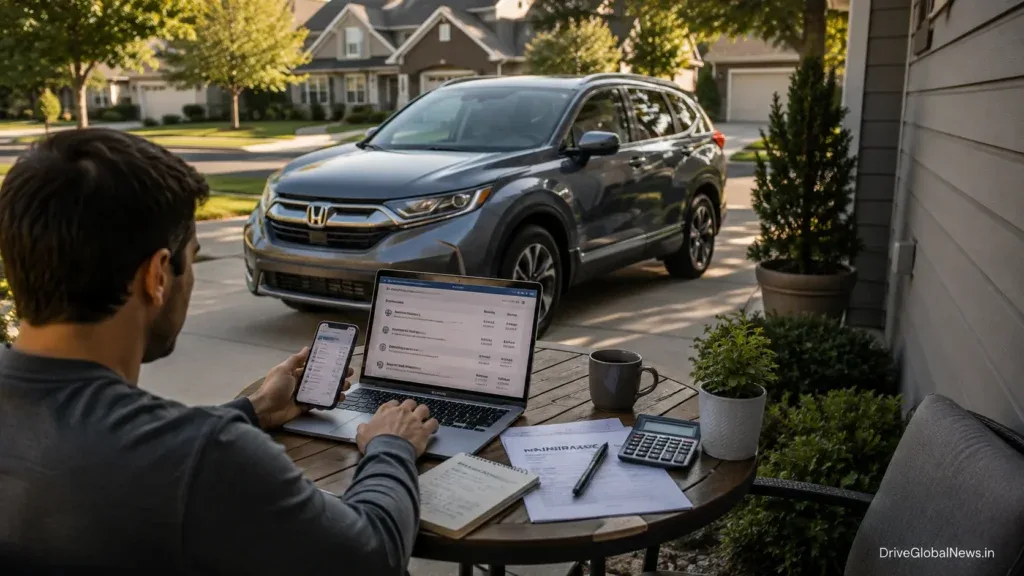
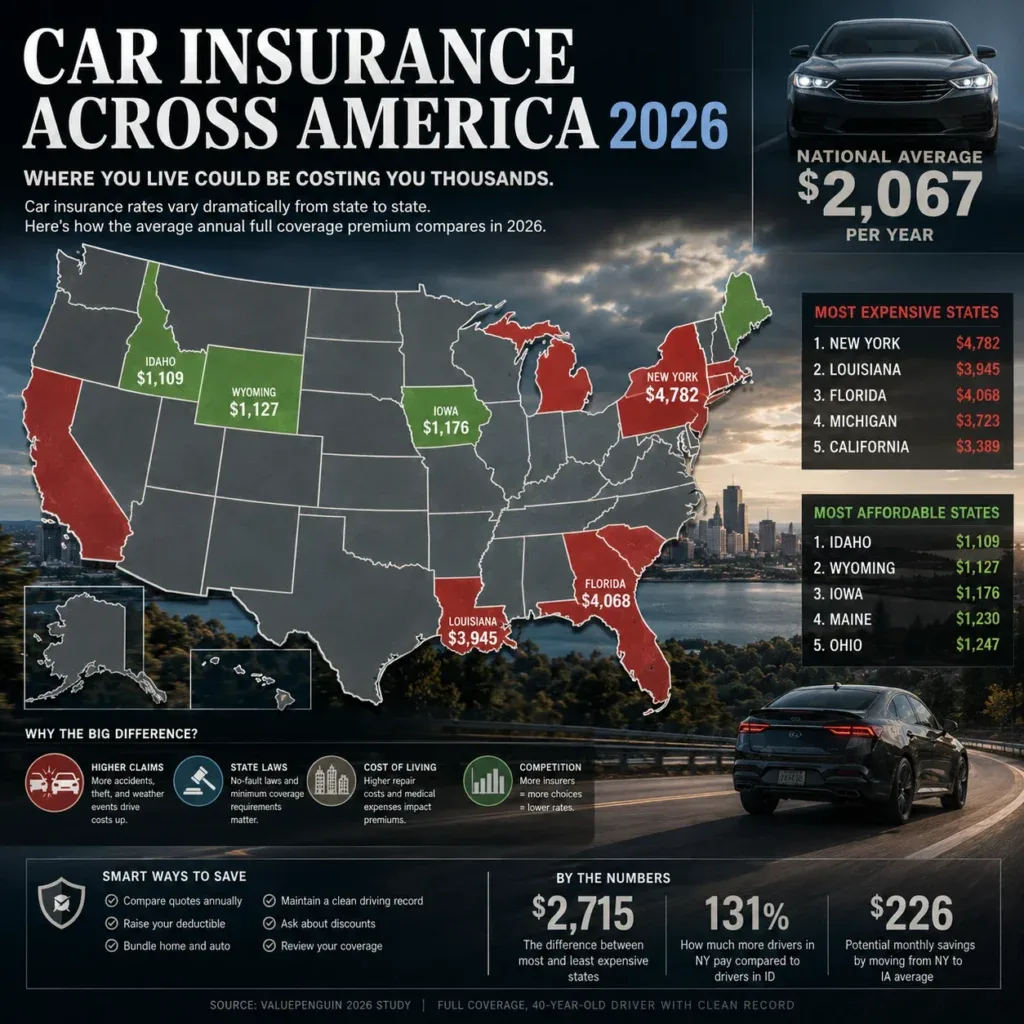
Rates for the identical CR-V or Model Y can differ by hundreds of dollars a year between companies. Raise deductibles only if you can cover them. Ask about multi-car, bundle, telematics, and safety-feature discounts. Update mileage if you drive less than the estimate on your policy. If you are buying a new SUV, get insurance quotes on the finalist models before you sign — the monthly difference can erase a “deal” on the vehicle itself.
The Bottom Line In 2026 the cheapest SUVs to insure are typically compact and midsize mainstream models such as the Subaru Crosstrek, Honda CR-V, Subaru Forester/Outback, Mazda CX-5, and several Hyundai/Kia and Volkswagen crossovers. The most expensive are high-value luxury SUVs and certain Teslas. The gap is driven by repair cost, vehicle value, and claims data, not by the fact that a vehicle is an SUV.
If you already own one of the higher-cost models, aggressive shopping and discount checks are still worth the time. If you are about to buy, treat the insurance quote as part of the purchase price. The cheapest SUV to insure is the one that fits your family and still leaves money in the budget after the premium is paid.
Which SUV are you insuring now, and have you compared quotes on it in the last six months?