
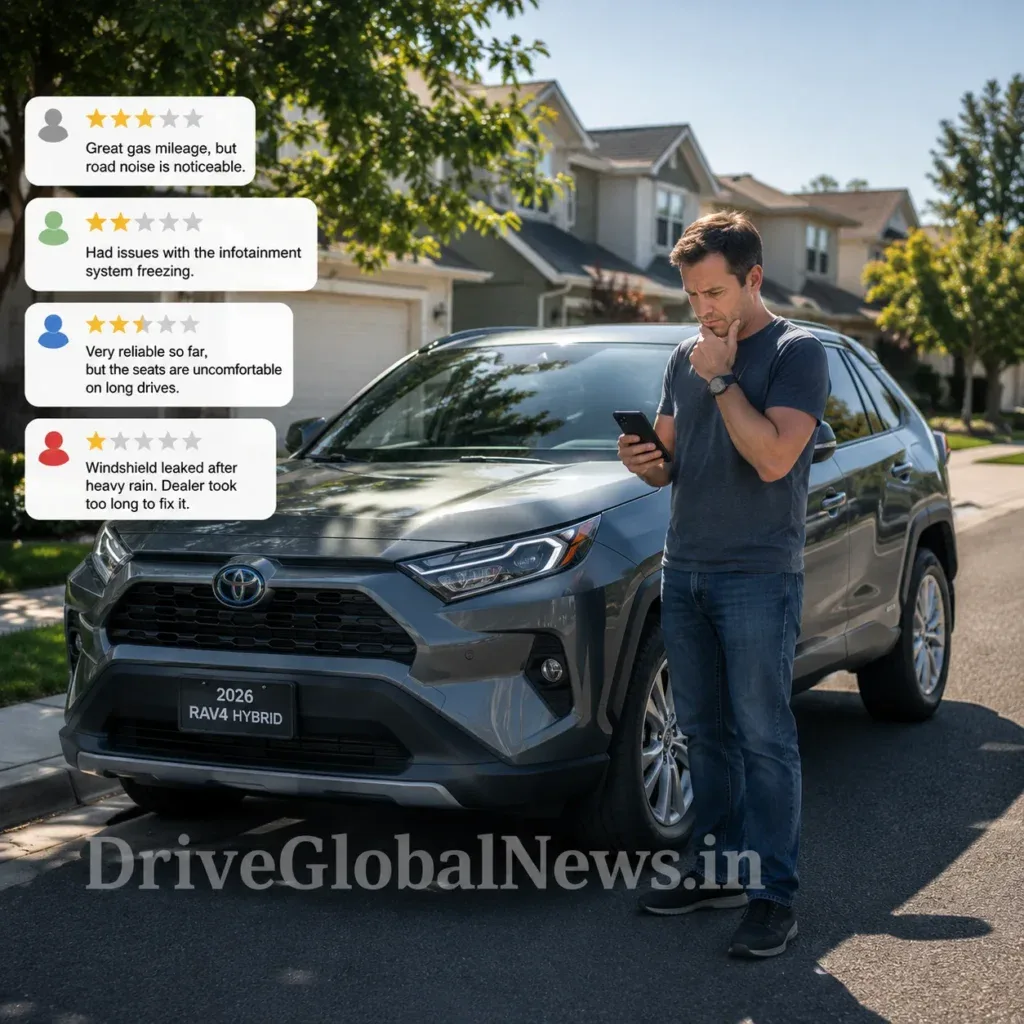
Open any car website right now and search “best hybrid SUV.”
RAV4 Hybrid. Top of every list. Every time. U.S. News loves it. KBB loves it. Edmunds loves it. Consumer Reports loves it. The automotive press has essentially decided the matter — buy a RAV4 Hybrid, stop thinking.
So here’s the question nobody asks: what do the actual owners say?
Not automotive journalists. Not award committees. Not people who drove it for a week and handed it back.
People who bought one. Paid for it. Drove it every day for months. Filed complaints with the government when something went wrong.
The answer is more complicated than the awards suggest.
The Number That Stopped Me Cold
KBB collects owner reviews on every vehicle they list. Real buyers. Real ratings. Verified purchases.
For the 2026 Toyota RAV4, KBB published this finding: 67% of owners gave the 2026 RAV4 one out of five stars.
Not three stars. Not two stars. One star. From two thirds of the people who reviewed it.
To be clear about what that means: those aren’t people who had a bad week or regret the color they chose. One-star reviews are people who are actively unhappy with what they bought. People who feel they made a mistake. People who are warning others.
And two-thirds of the reviewers felt that way.
Now — important context. KBB reviews skew toward people with strong opinions. Happy owners often don’t bother writing reviews. Angry owners always do. The actual ownership experience across all RAV4 Hybrid buyers is almost certainly better than 67% dissatisfaction.
But even accounting for review bias — two-thirds is a number that deserves attention. Not dismissal.
What Are They Actually Complaining About?
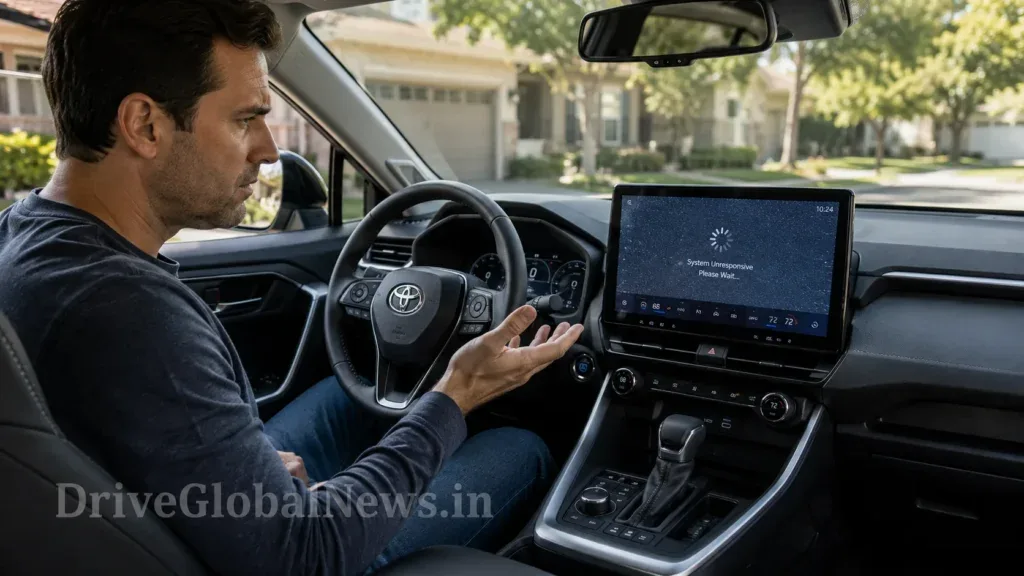
The problems divide into three clear categories.
The infotainment system is the biggest one.
The 2026 RAV4 received an entirely new infotainment setup — a 12.9-inch touchscreen replacing the previous generation’s smaller display. New software. New interface. New Google built-in integration.
New problems.
“Infotainment freezing” — those exact words — appear repeatedly across owner forums, NHTSA complaints, and KBB reviews. The screen freezes mid-drive and requires a reboot. Android Auto drops connection without warning. The backup camera sometimes lags on display. The navigation reroutes unexpectedly on familiar roads.
RAV4Life, which tracks owner complaints specifically, described the situation plainly: “Reports about performance concerns, infotainment glitches, transmission hesitation, hybrid system faults, and interior quality problems have surfaced online.”
These are not catastrophic failures. The car doesn’t stop running. But when you pay $33,700 for a vehicle and the screen goes blank while you’re trying to navigate an unfamiliar city — you’re allowed to be frustrated.
The sunroof is the scary one.
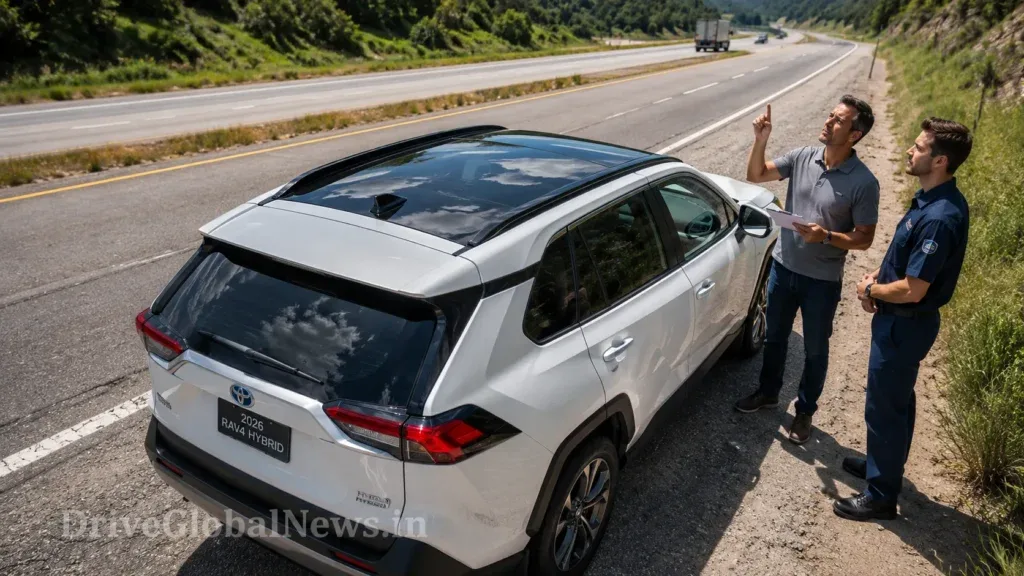
Multiple NHTSA complaints describe the panoramic sunroof spontaneously shattering while driving at highway speeds with no impact from road debris.
One owner wrote: “While driving on the freeway, I heard a loud explosive sound and pulled over to inspect my car. I found the panoramic sunroof glass shattered, but there were no signs of impact or objects hitting the vehicle. Mike Calvert Toyota inspected the car and denied warranty coverage, claiming impact damage.”
Dealer denied warranty coverage. Owner insisted no object struck the car. NHTSA complaint filed.
This is a pattern that appears across multiple vehicles and multiple manufacturers — panoramic glass that shatters spontaneously under temperature stress. Toyota is not alone in facing this complaint. But it is something buyers considering the RAV4’s optional panoramic roof should know about before they add that option.
The long-term AWD issue nobody mentions at purchase time.
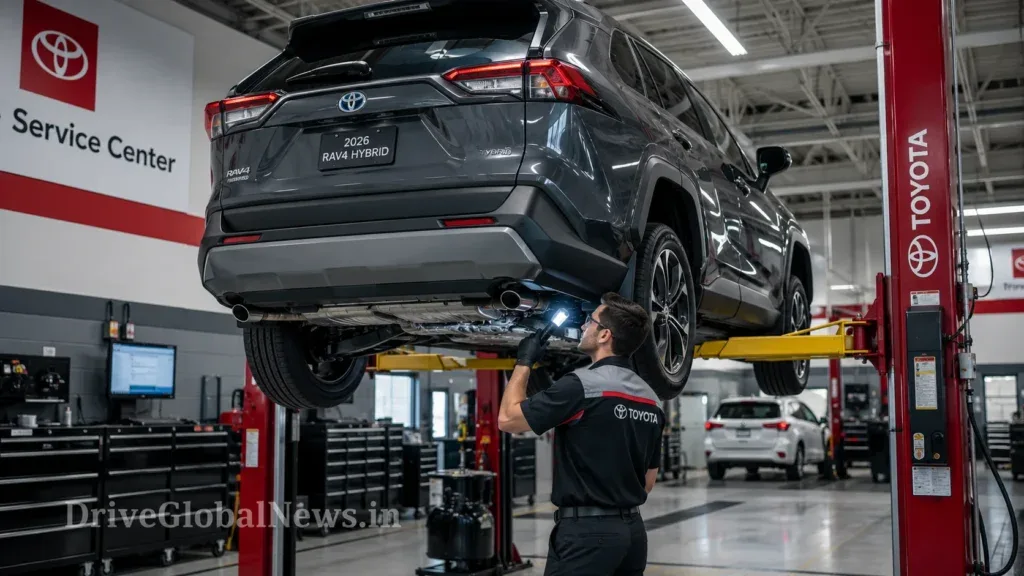
This one doesn’t show up in first-year reviews. It shows up around 80,000 miles.
CoverageX, which analyzes RAV4 problems by generation and year, put it this way: “That reputation for rock-solid reliability makes owners complacent. They assume their RAV4 won’t need anything beyond an oil change and new tires. Then, at 80,000 miles, the AWD coupling fails. Suddenly, you’re looking at $2,000 to $6,000 in repairs you didn’t see coming.”
$2,000 to $6,000. For a component that most owners aren’t budgeting for because Toyota’s reputation set their expectations at “essentially maintenance-free.”
The AWD coupling issue isn’t a universal failure. Many RAV4 Hybrids go well past 80,000 miles without incident. But it’s documented, it’s recurring, and it’s the kind of thing dealers rarely volunteer when you’re signing paperwork.
Does This Mean You Shouldn’t Buy One?
This is the part where most automotive writers lose their nerve.
The honest answer is: it depends on what you’re buying it for.
If you’re buying a RAV4 Hybrid because you want 40 MPG, reliable transportation, strong resale value, and standard AWD at $33,700 — you should still buy it. The awards aren’t wrong. The fuel economy is real. The resale is real. The long-term drivetrain durability — despite the AWD coupling concern — is genuinely better than most competitors.
If you’re buying a RAV4 Hybrid because you believe the Toyota reliability mythology makes it immune to problems — recalibrate. The 2026 generation introduced significant new technology: a completely new infotainment platform, new hybrid battery management, new safety systems. First-generation technology in any vehicle — regardless of brand — carries first-generation risk.
Toyota’s track record suggests they’ll fix the infotainment issues through software updates over the coming months. That track record is earned. But “they’ll probably fix it” is cold comfort if you’re the person whose screen freezes on the day you need it most.
The Three Things to Do Before You Buy
One: If you’re buying a 2026 RAV4 Hybrid right now — skip the optional panoramic sunroof. The spontaneous shattering complaints are real, documented, and not worth the aesthetic upgrade. A fixed roof doesn’t break.
Two: Before delivery, ask the dealer to verify that the infotainment software is updated to the most current version. Several owners have reported that dealer-installed software updates resolved the screen freezing. Ask specifically. Don’t assume.
Three: Budget for the AWD coupling as a potential future expense. Not certain. Not imminent at purchase. But real enough that knowing it exists — and setting aside $2,000-$3,000 in a car emergency fund — is smarter than being blindsided at 82,000 miles.
The RAV4 Hybrid is still one of the best compact hybrid SUVs available. The awards aren’t wrong. The complaints aren’t wrong either.
Both things are true at the same time. And knowing both is what separates a smart car purchase from a marketing-driven one.