Here’s a number that should make every American car buyer stop and think.
Nearly 30% of every new car sold on earth in 2026 will be electric.
The International Energy Agency published its Global EV Outlook this week. The headline: global electric car sales are projected to hit 23 million units in 2026 — up from 20 million in 2025, which was itself up 20% from the year before.
One in four cars sold globally last year was electric. This year it’s approaching one in three.
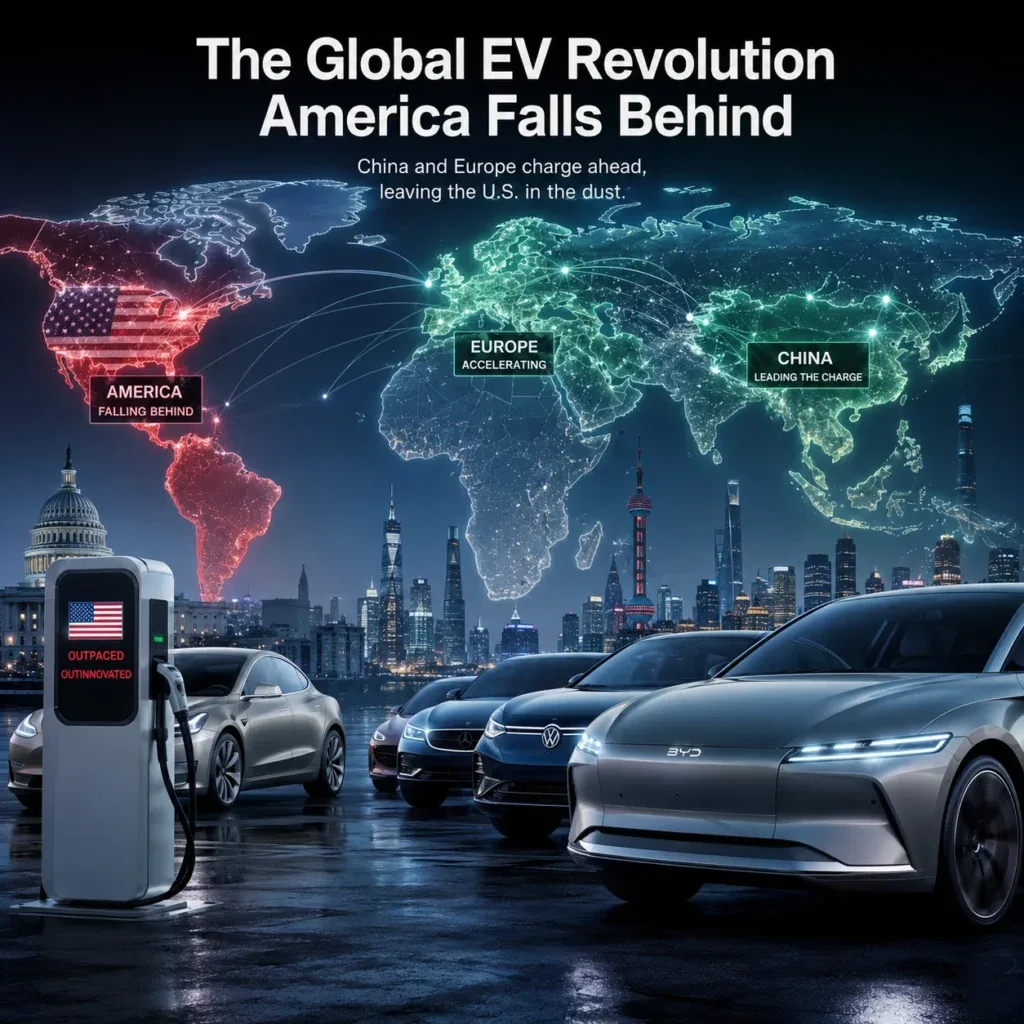
And America? Sitting at 6.9% EV market share.
The gap between where the global market is going and where America actually is right now has never been wider. Understanding why tells you something important — both about the industry and about your next car purchase.
Where the 23 Million Is Actually Coming From
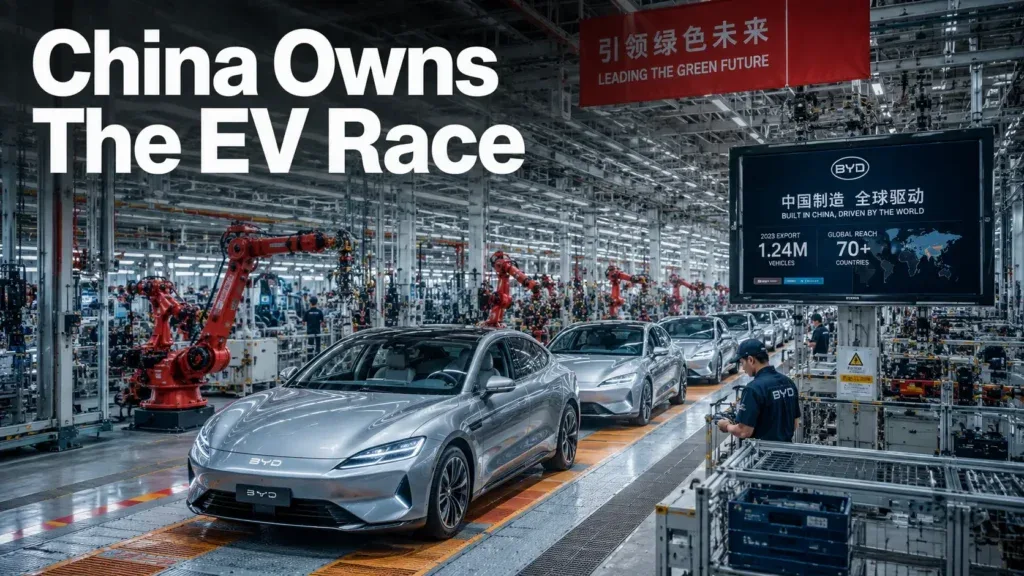
China. That’s the short answer.
China accounts for roughly 60% of global EV sales in 2026. The Chinese market is approaching 50% EV penetration — meaning half of all new cars sold in China right now run on electricity. BYD alone sells more EVs per month than the entire US EV market combined.
Europe is the second driver. The EU’s emissions regulations have pushed automakers to electrify aggressively, and countries like Norway (nearly 90% EV sales), the Netherlands, and Sweden are pulling the continental average up significantly.
America is the outlier. The world’s largest economy and historically its largest car market — sitting at 6.9% EV adoption while the global average approaches 30%.
also read : https://driveglobalnews.in/honda-just-abandoned-its-2040-electric-only-goa/
Why America Is Different — And It’s More Complicated Than Politics
The easy answer is to blame the expiration of the $7,500 federal tax credit in September 2025. That’s real. Remove a $7,500 incentive from any product and sales slow.
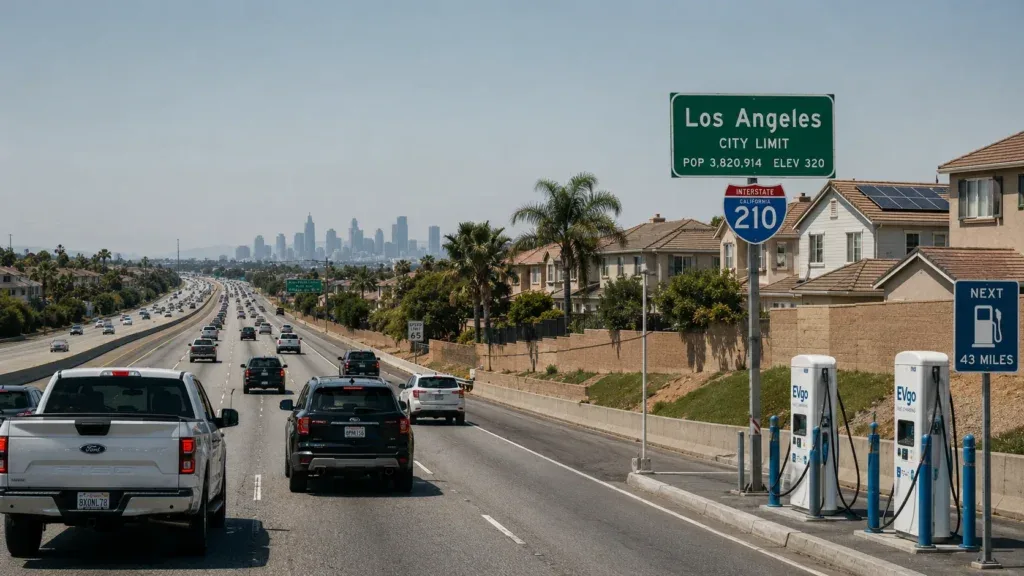
But the US-global gap predates the credit expiration. America has consistently trailed global EV adoption for years. The reasons are structural:
Geography. America is enormous. The average driving distance between cities is vastly greater than in Europe or even China. Range anxiety — the fear of running out of charge — hits differently in a country where the next major charging station might be 100 miles away in rural Montana versus 20 miles away anywhere in the Netherlands.
Housing stock. Roughly 35% of Americans rent rather than own their homes. Renters can’t install Level 2 home chargers without landlord approval — and most landlords haven’t installed them. Without home charging, the EV ownership experience is genuinely more inconvenient than it is for homeowners.
Driving culture. Americans drive more miles per year than any other developed nation. The average American drives 13,500 miles annually. Europeans drive roughly 8,000. More miles means more charging events means more time thinking about range. The psychological overhead of EV ownership scales with how much you drive.
Vehicle preferences. Americans love trucks and large SUVs. Electric trucks and large electric SUVs are expensive. The Ford F-150 Lightning starts at $49,780. The Rivian R1T at $57,990. Compared to a $32,000 gas F-150, the premium is substantial — and the towing range limitations are real.
The Part That Should Concern American Automakers
The 23 million global EV sales number isn’t just a statistic about consumer choices. It’s a manufacturing and engineering signal.
Every year that China and Europe buy 90% of global EVs, Chinese and European automakers refine their products, reduce their costs, and improve their technology. BYD’s Blade Battery 2.0 charges in 9 minutes. Chinese EVs are launching at prices American automakers structurally cannot match without years of manufacturing investment.
The tariff wall keeps Chinese EVs out of America today. It won’t keep Chinese EV technology out of the American market forever. The brands that use the next 3-5 years to close the technology and cost gap will be competitive when policy changes. The brands that don’t will face what Detroit faced when Japanese cars arrived in the 1970s.
also read : https://driveglobalnews.in/mercedes-just-premiered-a-1000-hp-electric/
What This Means for American EV Buyers Right Now
If you’re considering an EV in 2026 — the global context actually argues for moving sooner rather than later on specific models.
The vehicles that are genuinely competitive right now — the Hyundai Ioniq 5 at $35,000, the Tesla Model Y, the Rivian R2, the BMW iX3 — represent the best combination of price, range, and charging available in the American market. These products are competitive with global alternatives.
As Chinese manufacturing efficiency continues improving and political pressure on tariffs eventually evolves — the American EV market will change. Whether that change produces better options for American buyers or disrupts existing brands is the $23 million question.
For now: the world is going electric faster than America. And the Americans who figure out how to make it work for their specific life — home charging, right vehicle for their mileage, right price point — are getting ahead of a transition that’s coming regardless of the pace.