
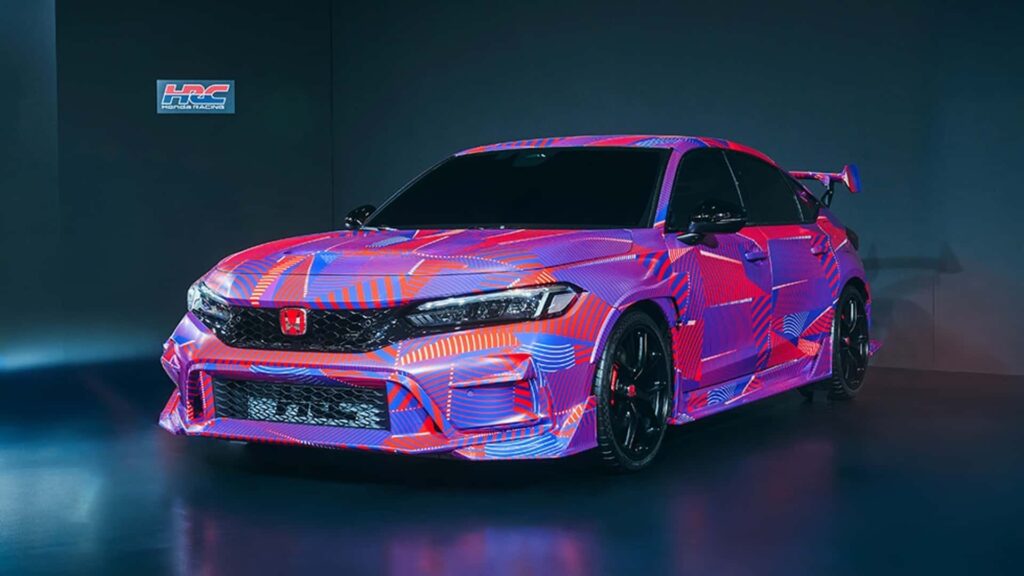
Honda Civic Type R HRC: Honda hasn’t confirmed a single spec, yet the 2027 Civic Type R HRC is already being priced in your head at somewhere between $55,000 and $60,000—and that’s before the dealer tacks on the “limited availability” tax. The rumor, sourced from Japanese motorsport chatter and Honda’s own Super Taikyu racing program, says the company has greenlit a road-legal version of its race-bred Type R. That’s a 315-plus horsepower tuned 2.0-liter turbo, a sub-five-second sprint to 60, and enough aero to make your neighbor’s GT3 look subtle. But before you start configuring one in your head, ask yourself the question every Type R buyer has had to ask since 2023: what will this thing actually cost me at the dealership?
Honda Civic Type R HRC: The Race Car Math Nobody Wants to Do
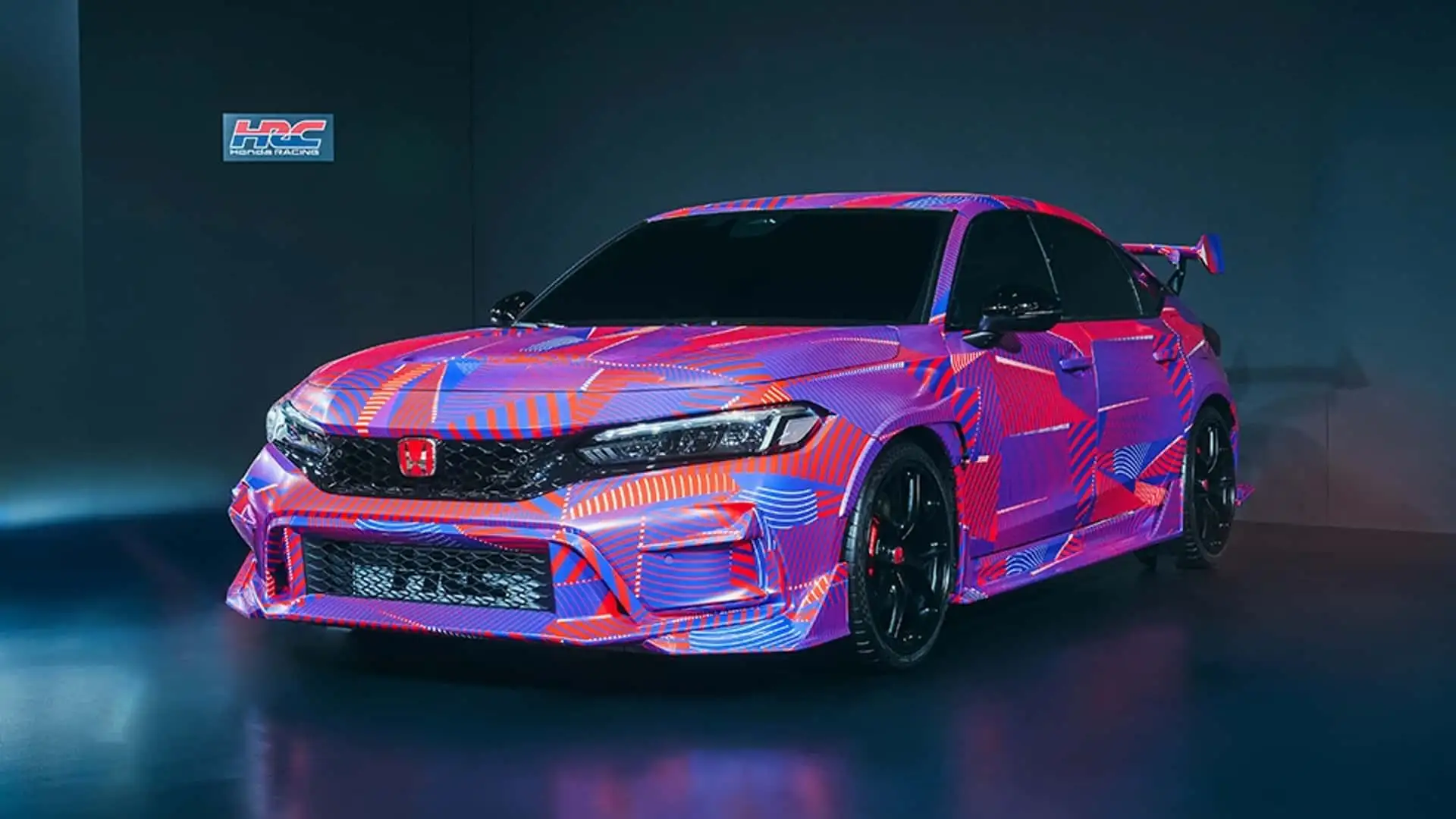
Let’s start with the sticker. Honda’s current FL5 Civic Type R starts around $45,000, and dealers have been adding $5,000 to $15,000 in markups for two years straight. If the HRC lands at $58,000 MSRP, and the same markup culture holds, you’re looking at a real transaction price north of $70,000. That’s used Porsche Cayman S territory. That’s a well-optioned BMW M2. So does the HRC actually justify that premium on your monthly payment? At 7% APR over 72 months with $10,000 down, you’re staring at roughly $900 to $1,100 per month—and that’s before insurance on a car with race-derived suspension and tires that cost $400 each to replace.
The horsepower number sounds great in a headline, but 315 hp in a front-wheel-drive chassis is already at the edge of what the standard Type R can put down cleanly. The HRC’s Super Taikyu hardware likely means stiffer motor mounts, a more aggressive limited-slip differential, and aero that adds drag on the highway. That’s Columbus to Pittsburgh without stopping in range terms—except this car doesn’t have a range problem, it has a comfort problem. You’re paying more for a car that will ride worse, sound louder inside, and demand more from you every single mile.
What the HRC Actually Changes Underneath
The Super Taikyu connection isn’t marketing fluff. Honda’s race cars in that series run upgraded cooling, revised suspension geometry, and aero that’s been tested at actual race speeds. If even half of that trickles down, the HRC gets a more robust oil cooler, better brake ducting, and a chassis that’s been stiffened at the seams. That’s genuinely useful if you’re doing track days at Road America or VIR. It’s genuinely annoying if you’re just commuting to work and hitting a pothole on I-95.
Here’s the counterintuitive part that the forum cheerleaders are missing: the HRC will likely be heavier than the standard Type R. Race hardware adds weight—bigger coolers, reinforced subframes, larger wheels and tires. That extra mass dulls the very agility that made the FL5 so special. You’re not getting a purer Type R. You’re getting a more specialized one. And specialization always comes with a daily-driving tax. The question is whether you’re willing to pay that tax every time you merge onto the freeway.
The Warranty and Allocation Elephant
Nobody has answered the two questions that actually matter for your wallet. First, will the HRC retain a full factory warranty and pass emissions in all 50 states? Race-derived engines often run richer tunes and less emissions equipment. If Honda can’t certify it in California, you can’t buy it in California—and that’s 12% of the U.S. market gone. Second, will there be any dealer pricing protection? Honda has publicly frowned on markups, but it hasn’t stopped them. A limited-run HRC with a Super Taikyu badge is exactly the kind of car that dealers will auction to the highest bidder.
If you need a comfortable commuter, walk away now. If you’re planning to finance over 72 months at today’s rates, walk away faster. The HRC only makes sense for a specific buyer: someone with $60,000 in cash or a strong credit union relationship, a second car for daily duty, and a local track that hosts open lapping days. For everyone else, the standard Type R—or a used Cayman—remains the smarter financial play.
What to Watch Before You Put Down a Deposit
Honda is expected to reveal the HRC in late 2026, with U.S. dealer arrivals in spring or summer 2027. That gives you roughly 18 months to save, research, and decide. Watch for three things: the official MSRP, the warranty terms in the press release, and whether Honda announces an allocation lottery or a first-come-first-served dealer model. If it’s the latter, expect markups. If it’s the former, expect to wait in line behind people who already own three Type Rs.
Also watch the tire and insurance costs. Race-compound tires wear fast and cost more. Insurance companies will classify the HRC as a high-performance vehicle, which means higher premiums than a standard Civic—possibly 30% to 50% more. That’s another $100 to $150 per month you need to budget for. The HRC might hold its value better than a standard Type R because of its limited run, but value retention doesn’t help you if you can’t afford the monthly carrying costs.
My verdict: the 2027 Honda Civic Type R HRC is a brilliant engineering exercise and a terrible financial decision for most buyers. If you have the cash, the garage space, and a track membership, it’s a future collectible worth stretching for. If you’re financing it as your only car, you’re buying a race car with a license plate and a payment book—and that’s a deal you’ll regret by the second oil change. Wait for the official numbers, then decide with your accountant, not your adrenaline.