
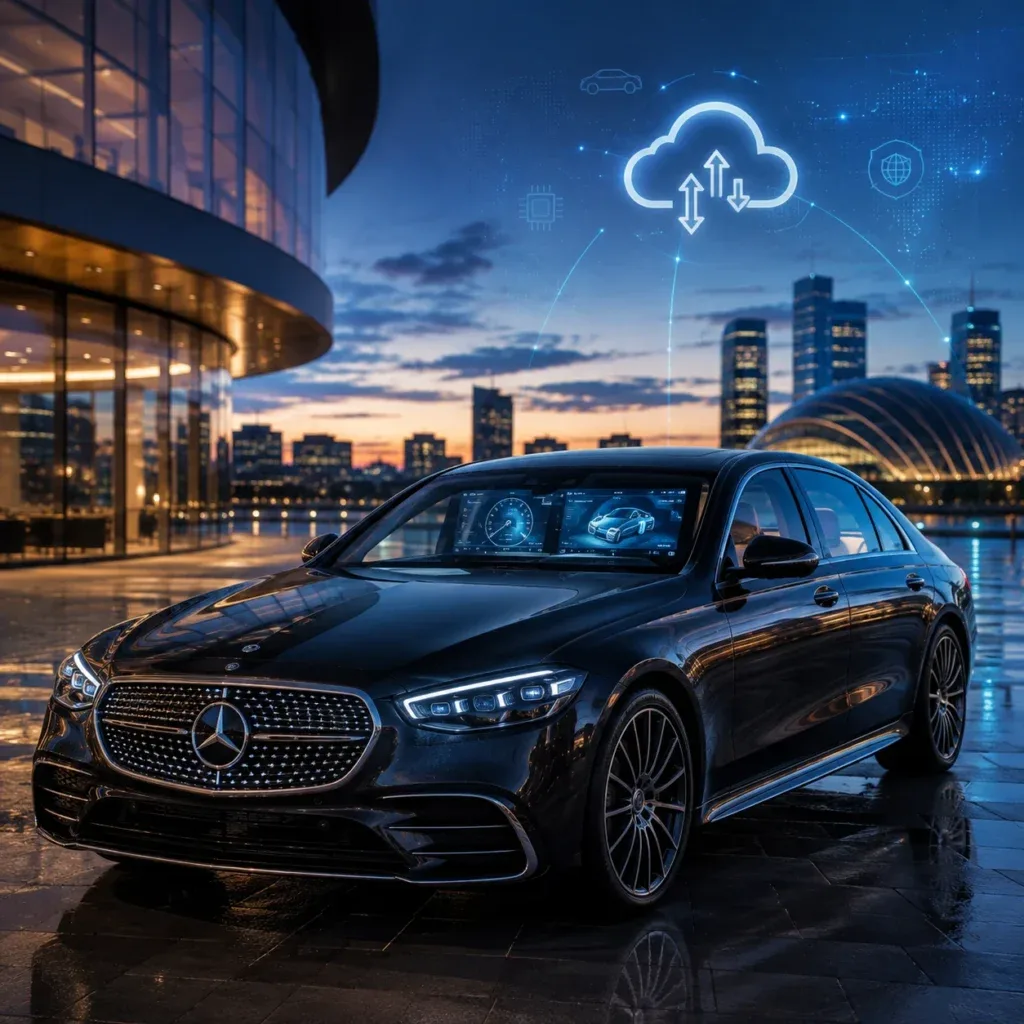
Mercedes-Benz just lost the executive most closely tied to the software that increasingly defines its new cars. Chief Software Officer Magnus Östberg is leaving the company at the end of the month after about five years. The official line is personal reasons. No permanent successor has been named. His responsibilities are being split across several managers for now.
That would be a routine executive shuffle at most companies. At Mercedes in 2026, it is bigger than a personnel note.
Who Östberg Was and What He Built Östberg arrived from the supplier side and took on the newly elevated role of building Mercedes’ own vehicle operating system — MB.OS — as a core product rather than a collection of supplier black boxes. Under his watch the company pushed MB.OS into production models and framed software, over-the-air updates, and digital services as a long-term margin story, not just a dashboard feature.
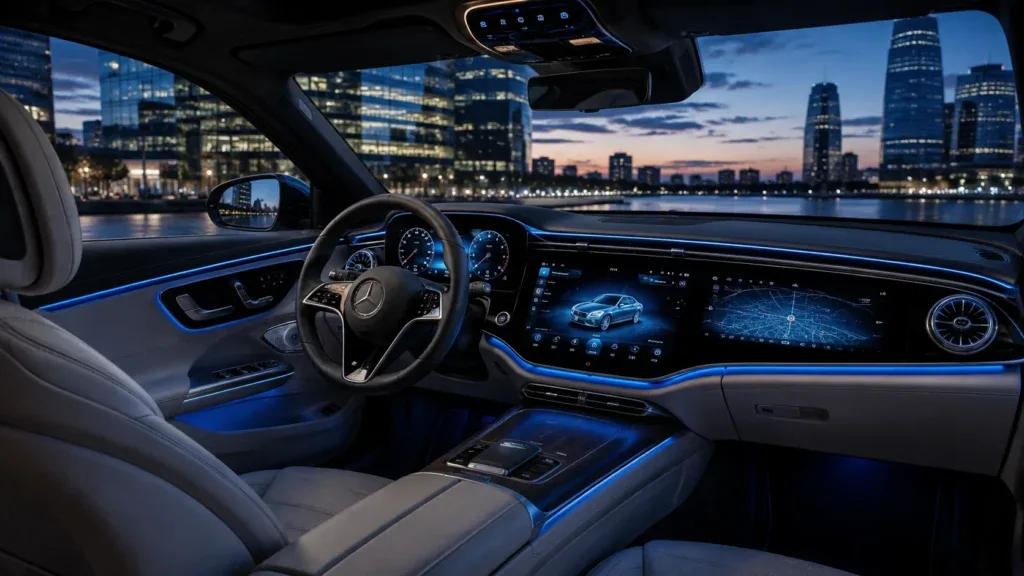
He was the public face of that shift. When Mercedes talked about reducing dependence on external software stacks and turning the car into a platform that could be improved after sale, Östberg was the person who had to make the organization deliver it.
Why the Timing Matters The exit lands while Mercedes is accelerating MB.OS across higher-volume models, including the refreshed C-Class that carries the system and AI assistant features into a broader customer base. The architecture phase is largely done. The harder phase — consistent field performance, faster feature delivery, and reliable multi-year support — is just getting real.
Leadership transitions in software organizations often slow decision-making even when the code keeps shipping. Buyers who paid for the promise of continuous improvement care about whether the roadmap stays coherent when the chief architect steps away.
What This Means for Current and Future Owners If you already own a recent Mercedes with MB.OS, nothing changes overnight. The cars will still receive the updates already in the pipeline. The risk is longer-term: priority, speed, and consistency of software development after the person who owned the strategy leaves and the role is temporarily divided.
If you are shopping a 2026 or 2027 Mercedes, the software experience is part of the product you are buying. Infotainment responsiveness, driver-assistance behavior, charging and energy features on EVs, and the pace of new functions all sit under the same organization. A clean succession plan would reassure buyers. An open-ended split of duties does the opposite.
Mercedes has said Östberg will remain as an adviser for a period. That softens the handoff but does not replace a named chief who is accountable for the whole stack.
The Broader Context Luxury brands are in a race to prove that their software is as durable and desirable as their engineering. Tesla set the expectation that cars improve after delivery. German premium makers have spent years and large budgets trying to match that without abandoning their supplier and development culture. Losing the executive who drove that internal change, right as the system reaches more mainstream models, is a test of whether the strategy outlasts the individual.
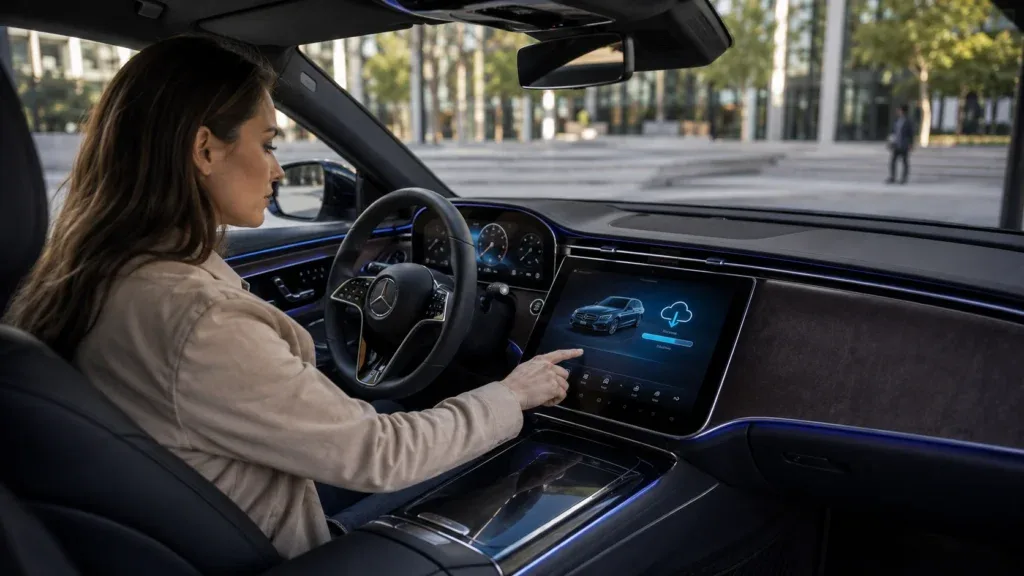
China sales pressure and the need for digital revenue make the software organization even more important to the company’s numbers. Buyers do not care about the org chart. They care whether the screen stays fast, the assists stay refined, and the car does not feel outdated three years in.
The Bottom Line Magnus Östberg’s departure is not a recall or a broken promise. It is a leadership gap at the exact moment Mercedes is asking customers to trust MB.OS as a living product. Short term, existing update plans should continue. Medium term, the speed and focus of software development will depend on how quickly Mercedes installs clear ownership again.
For anyone buying or holding a late-model Mercedes, the practical takeaway is simple: treat software support and update history as part of the ownership research, the same way you check reliability and residual value. The badge still matters. The person who was paid to make the software keep improving just left.
Are you holding off on a new Mercedes until the software leadership picture is clearer, or does the current MB.OS experience already feel solid enough?