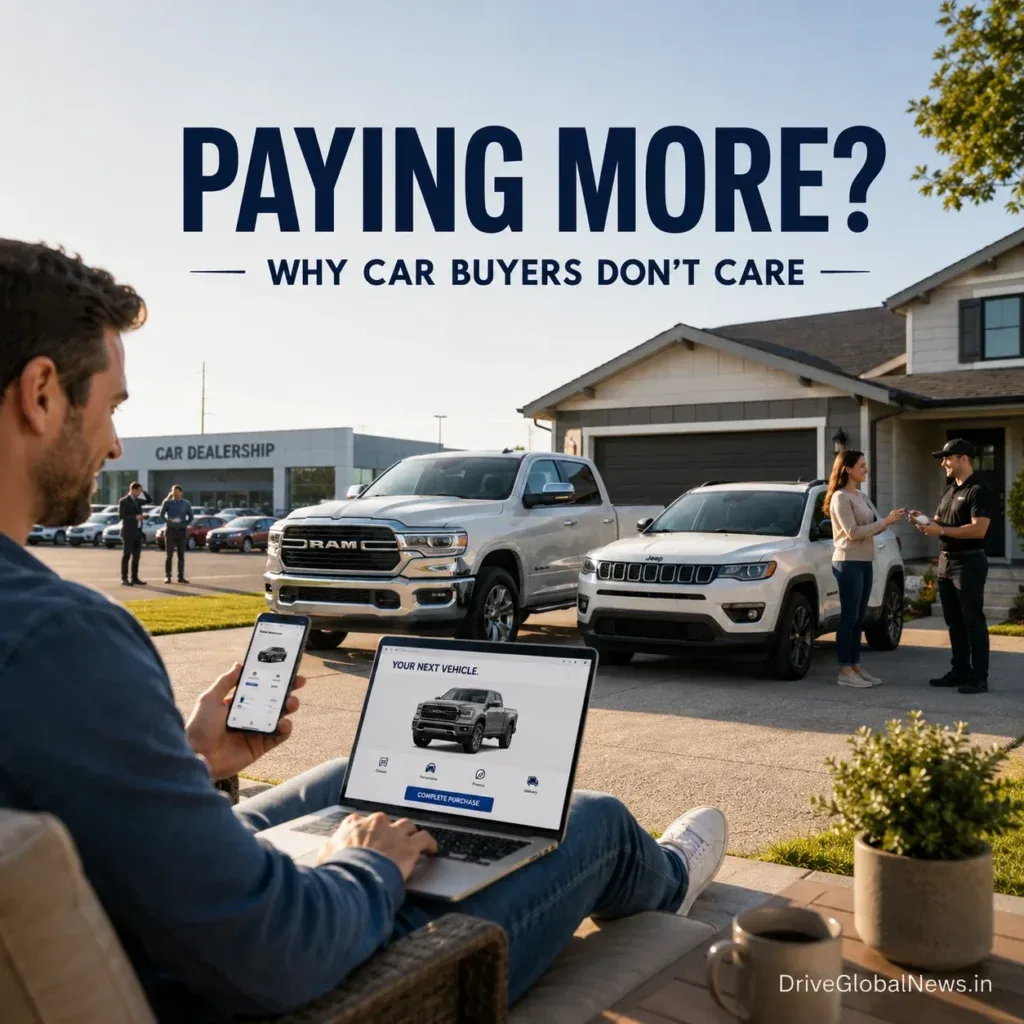
Carvana is not the cheapest place to buy a car. In mid-August 2026, that stopped being an anecdote and became published pricing data.
Catalyst IQ compared advertised prices by VIN around Carvana’s new-vehicle stores. A Ram 2500 was listed about $4,533 — roughly 6.2% — above other Stellantis dealers in the same designated market areas. A Jeep Compass ran about $1,528, or 4.3%, higher. Analysts described Carvana as commanding a premium at a time when new-car prices were already high.
Plenty of buyers still click “buy.” They are not confused. They are paying to skip the part of car buying they hate.
What the Premium Buys
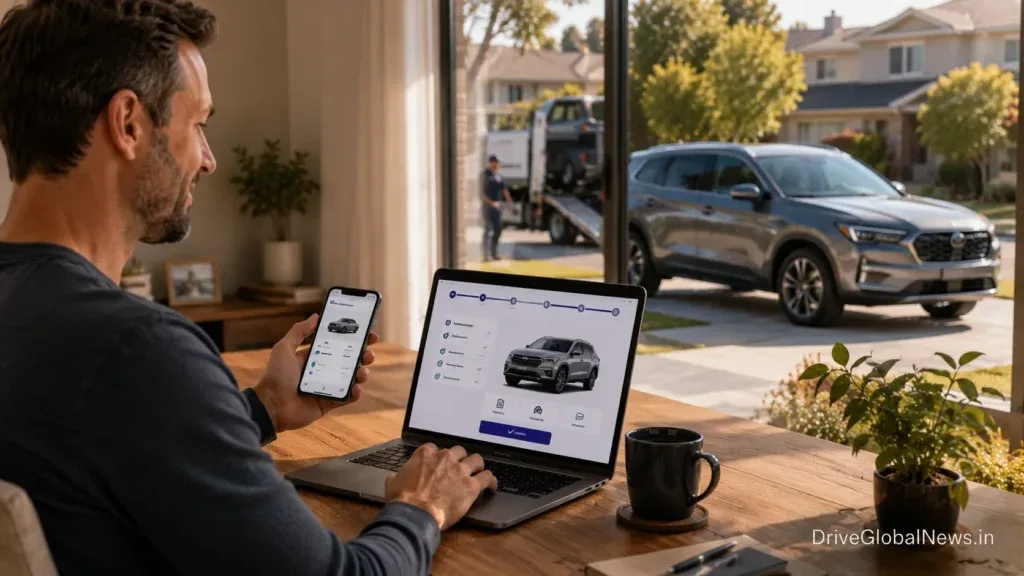
Carvana sells a fixed price and a process. There is no four-hour desk loop, no “let me talk to my manager,” no surprise protection package in the F&I office. You pick the vehicle, see the number, arrange delivery or pickup, and in many cases get a seven-day return window.
For people who work odd hours, dislike confrontation, or have been burned by dealer add-ons, that process has a dollar value. If the alternative is a Saturday lost to negotiation and a contract you do not fully understand, $1,500–$4,500 can feel cheap.
Used-car shoppers see the same pattern. Independent comparisons this year have put Carvana and CarMax a couple thousand above a negotiated dealer deal on common vehicles — and sometimes even with the dealer’s asking price, before anyone haggles. Delivery fees can widen the gap.
When Paying More Is Rational
It is rational if:
- You know the exact model and will not spend weeks shopping
- You value the return window more than a test drive on the lot
- Your local dealers have thin inventory and you would wait anyway
- The last dealer visit cost you more in add-ons than Carvana’s sticker premium
It is not rational if:
- You enjoy negotiating or have someone who does
- The same VIN (or a twin with fewer miles) is cheaper two miles away
- You need to sit in the car before you commit
- You are stretching the budget and every thousand dollars matters
The people who are “happy” about paying more are usually buying time and certainty, not metal. The people who are unhappy later are the ones who assumed no-haggle meant lowest price.
How to Check Before You Pay the Premium
Look up the same year, trim, mileage, and options at two local dealers and one other online seller. Compare out-the-door numbers, not homepage prices. Include Carvana’s delivery fee. If a dealer will beat the Carvana figure by $2,000 after a short conversation, the convenience premium is optional.
If you are financing, the rate can erase a “cheap” process. Run the payment against your real budget with a car affordability calculator so a higher purchase price plus a longer term does not hide inside a familiar monthly number.
The Dealer Side of the Story
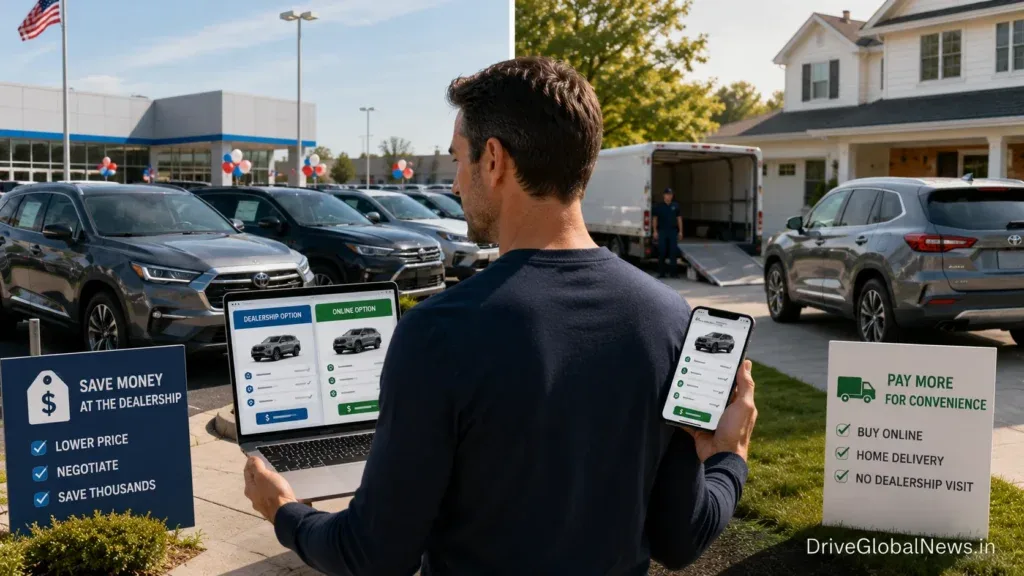
Traditional stores still win on price for shoppers willing to work. They lose on trust. That is why a California dealer-association president can say tech-savvy buyers want a streamlined process and why Carvana can charge more without emptying its lots. The industry trained customers to expect a fight. A company that removes the fight can charge rent for the peace.
The Bottom Line
Yes — some buyers are paying Carvana more than a nearby dealer would take for a similar vehicle, including thousands extra on certain new Rams and Jeeps. They are happy when they wanted an end-to-end digital purchase and a return policy more than they wanted the last dollar.
They are not getting a bargain. They are buying an experience. That is a fair trade if you go in with both prices in hand. It is an expensive habit if you never check the dealer down the street.
Would you pay $2,000 extra to never sit in a finance office — or would you take the cheaper car and the Saturday fight?