
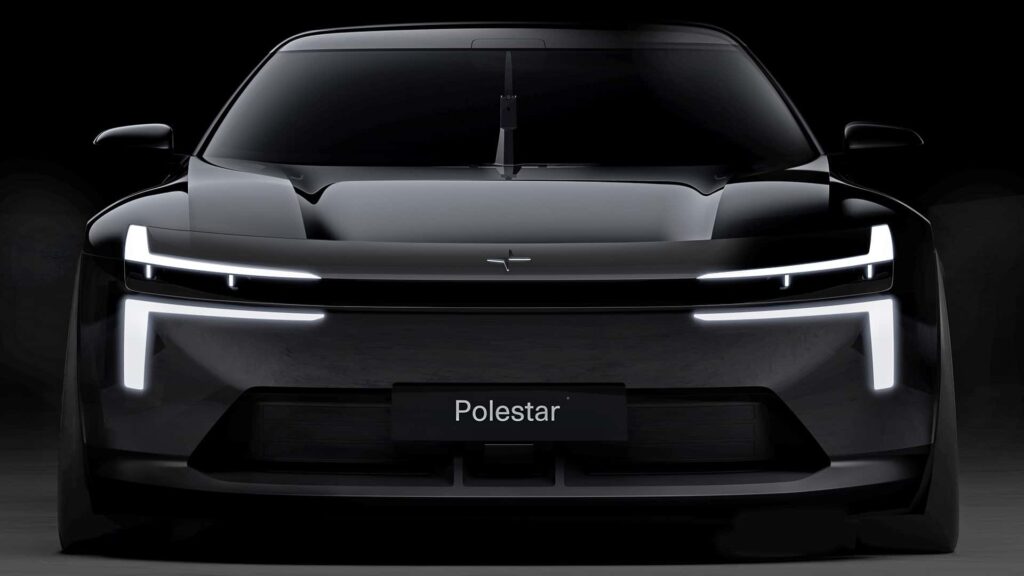
Polestar 2 and 7: The Polestar 2 and 7 will arrive with a new design language previewed by the Formula 2030 concept, but Polestar has revealed exactly zero dollars in pricing, zero miles of range, and zero battery specs. That leaves the two upcoming EVs as little more than beautifully sculpted promises, and the automotive world is treating them like finished products. The math doesn’t lie. It just isn’t pretty.
Polestar’s Formula 2030 concept is a design study, not a production vehicle. It showcases the visual direction for the next Polestar 2 sedan and Polestar 7 SUV, but the brand has carefully avoided committing to any mechanical details. You’re looking at styling cues and interface ideas, not a spec sheet.
The concept’s exterior features sharp creases, a low greenhouse, and lighting elements that look like they were pulled from a sci-fi prop department. It’s striking sheet metal, no question. But concepts have a nasty habit of losing their edges when they hit the assembly line. Just ask anyone who bought a production car that looked nothing like the show car that seduced them.
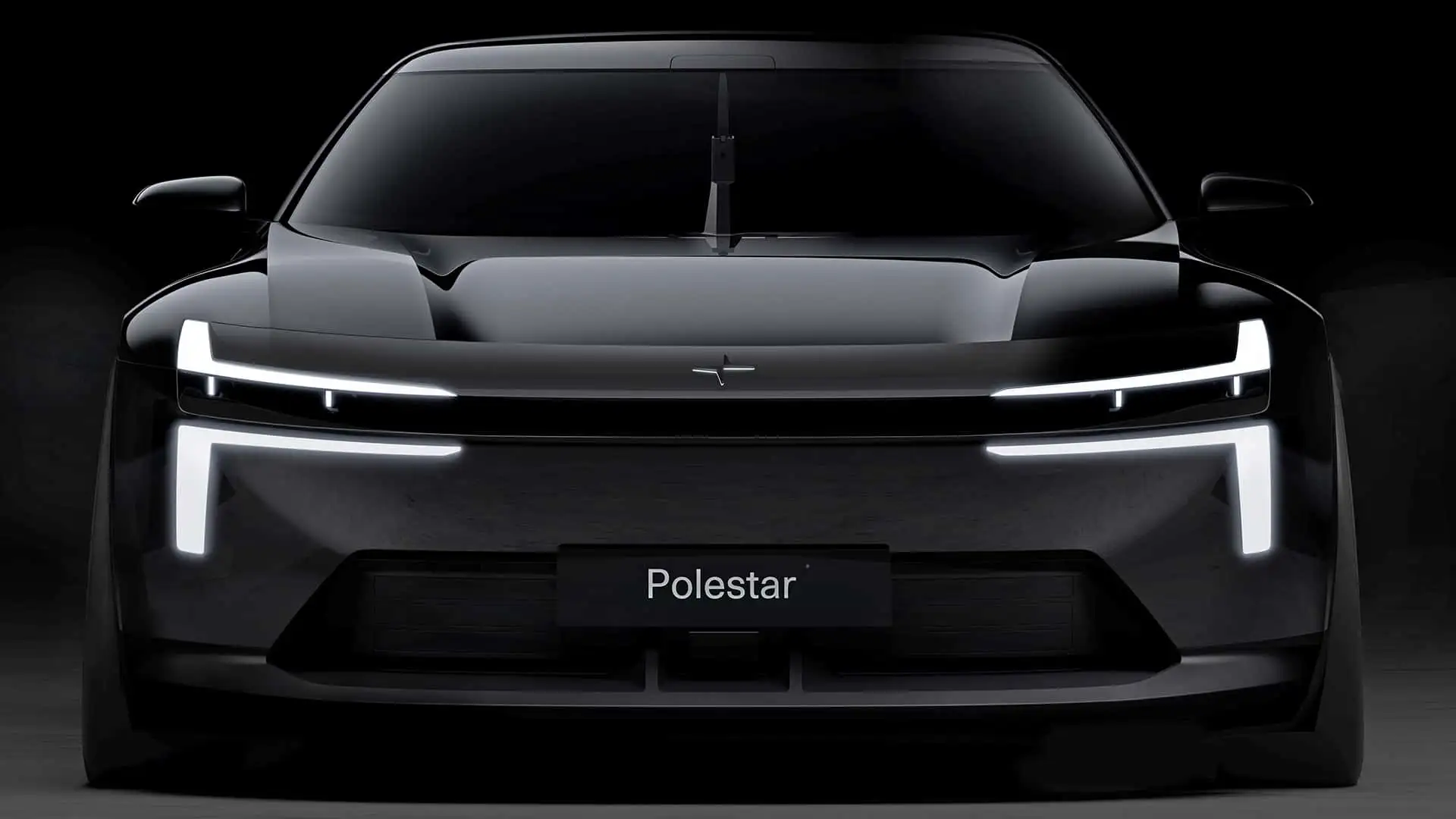
Polestar says this design language will evolve across the lineup, but evolution in automotive terms often means dilution. The brand’s current cars already look distinctive, so the pressure is on to push further without alienating buyers who appreciate restraint. Full stop. That’s a harder balance than the designers make it look.
What’s the point of showing a concept if you won’t tell us what powers it? That’s the question every serious EV shopper should be asking right now.
What We Actually Know About the Polestar 2 and 7
The next Polestar 2 is expected to arrive within the next few years, likely as a 2026 or 2027 model. The Polestar 7 will follow, slotting into the brand’s SUV lineup below the existing Polestar 3. Both will adopt the Formula 2030’s design DNA, but that’s where the concrete information ends.
No platform details have been confirmed. No motor configurations. No battery pack sizes. Polestar hasn’t even hinted at whether these cars will use the brand’s existing architecture or something entirely new. That’s a vacuum of information, and speculation is filling it fast.
Industry insiders suggest the Polestar 2 could move to a dedicated EV platform rather than the shared architecture it currently uses with the Volvo XC40 and C40. That would be a meaningful upgrade, but it’s guesswork at this point. The Polestar 7 remains even more of a mystery, with no confirmed dimensions or positioning beyond its existence.
Are you ready to commit tens of thousands of dollars to a vehicle based on a concept car and a press release? If you are, you’re braver than most financial advisors would recommend.
The Counter-Intuitive Reality of Concept Hype
Here’s the angle nobody in the enthusiast press wants to admit: concept hype rarely translates to production reality, and early excitement is almost always premature. The Formula 2030 looks fantastic in studio lighting, but production cars face crash standards, pedestrian safety regulations, and manufacturing cost constraints that concepts simply ignore.
Remember the Tesla Cybertruck reveal? The angular stainless steel beast looked revolutionary in 2019. The production version arrived years late, heavier than promised, and with a price tag that crept upward. The concept’s sharpest edges were softened, and the claimed specs shifted. Polestar faces the same physics and the same supply chain pressures.
The brand’s history offers a cautionary tale. The original Polestar 1 concept promised a 600-horsepower hybrid grand tourer, and the production car delivered. But it also cost $155,000 and sold in limited numbers. The Polestar 2 that followed was a more mainstream effort, and it faced charging complaints and software glitches that no concept ever reveals.
Why would the next generation be any different? The gap between a design study and a daily driver is measured in engineering compromises, and that gap is where buyer disappointment lives.
What Buyers Should Demand Before Getting Excited
If you’re genuinely interested in the next Polestar 2 or 7, you need concrete answers before you get emotionally invested. Range is the obvious starting point. A 300-mile EPA rating means something different than a 400-mile rating, and Polestar hasn’t said which end of that spectrum these cars will target.
Charging speed matters just as much. A car that can add 200 miles in 15 minutes is a road trip companion. A car that needs 40 minutes for the same juice is a commuter with limitations. The concept says nothing about either scenario, and that silence is telling.
Battery longevity is the other unaddressed elephant. EV batteries degrade over time, and Polestar hasn’t committed to specific warranty terms or replacement costs for these future models. That’s a financial risk you’d be taking on without full information.
Then there’s the pricing question. Polestar currently positions itself as a premium brand, and the Polestar 2 starts around $50,000. Will the next generation push higher? Will the Polestar 7 undercut the Polestar 3’s $80,000-plus starting point? Nobody knows, and pretending otherwise is wishful thinking.
The Verdict: Wait for Substance
The Formula 2030 concept is a beautiful piece of design work, and it suggests Polestar has ambitious plans for the 2 and 7. But ambition isn’t a spec sheet, and design sketches don’t charge your car at a roadside station. If you need an EV now, buy one that exists today. If you’re willing to wait, demand real numbers before you let excitement override judgment. Polestar has earned attention, but not blind trust. The next 2 and 7 could be excellent. They could also disappoint. Don’t let a concept car convince you otherwise.
Frequently Asked Questions
Q: What is the Polestar Formula 2030 concept?
It’s a design study that previews the styling and technology for the next Polestar 2 and 7. It showcases the brand’s future design language.
Q: When will the new Polestar 2 and 7 be released?
Exact dates are unconfirmed, but they are expected in the coming years. The concept hints at features that may appear in production models.