
ProLogium Solid-State Battery: Mercedes-Benz has poured over $100 million into ProLogium, and now the solid-state battery startup is flipping the switch on mass production at 1 GWh per year. That’s a real factory making real cells, not another lab demo wrapped in a press release. But here’s the number that should stop you cold: those cells cost two to three times more per kilowatt-hour than the lithium-ion packs in today’s EVs. The math doesn’t lie. It just isn’t pretty.
ProLogium’s cells hit 300+ Wh/kg, which sounds like the magic bullet every EV owner has been waiting for. That energy density translates to roughly 620 miles of range in a hypothetical 100 kWh pack, or about 800 miles in a bigger one. Let’s ground that: it’s Chicago to Orlando on a single charge, assuming you can find a charger that doesn’t strand you at the last exit.
But here’s the uncomfortable part nobody in the press release mentions: energy density is only half the story. The other half is cost, and that’s where solid-state stumbles out of the gate. At two to three times the price of conventional cells, a 100 kWh solid-state pack could add $10,000 to $15,000 to an EV’s sticker price before installation. Full stop.
ProLogium says cells are shipping to automakers now, with commercial integration expected by 2025. That timeline is real, but it’s not the democratization of EV tech. It’s a premium component for premium vehicles, and pretending otherwise does buyers a disservice.
So who actually benefits from this breakthrough? Not the person shopping for a $35,000 commuter car. That’s the inconvenient truth hiding behind the “mass production” headline.
Why “Mass Production” Is a Marketing Word Here
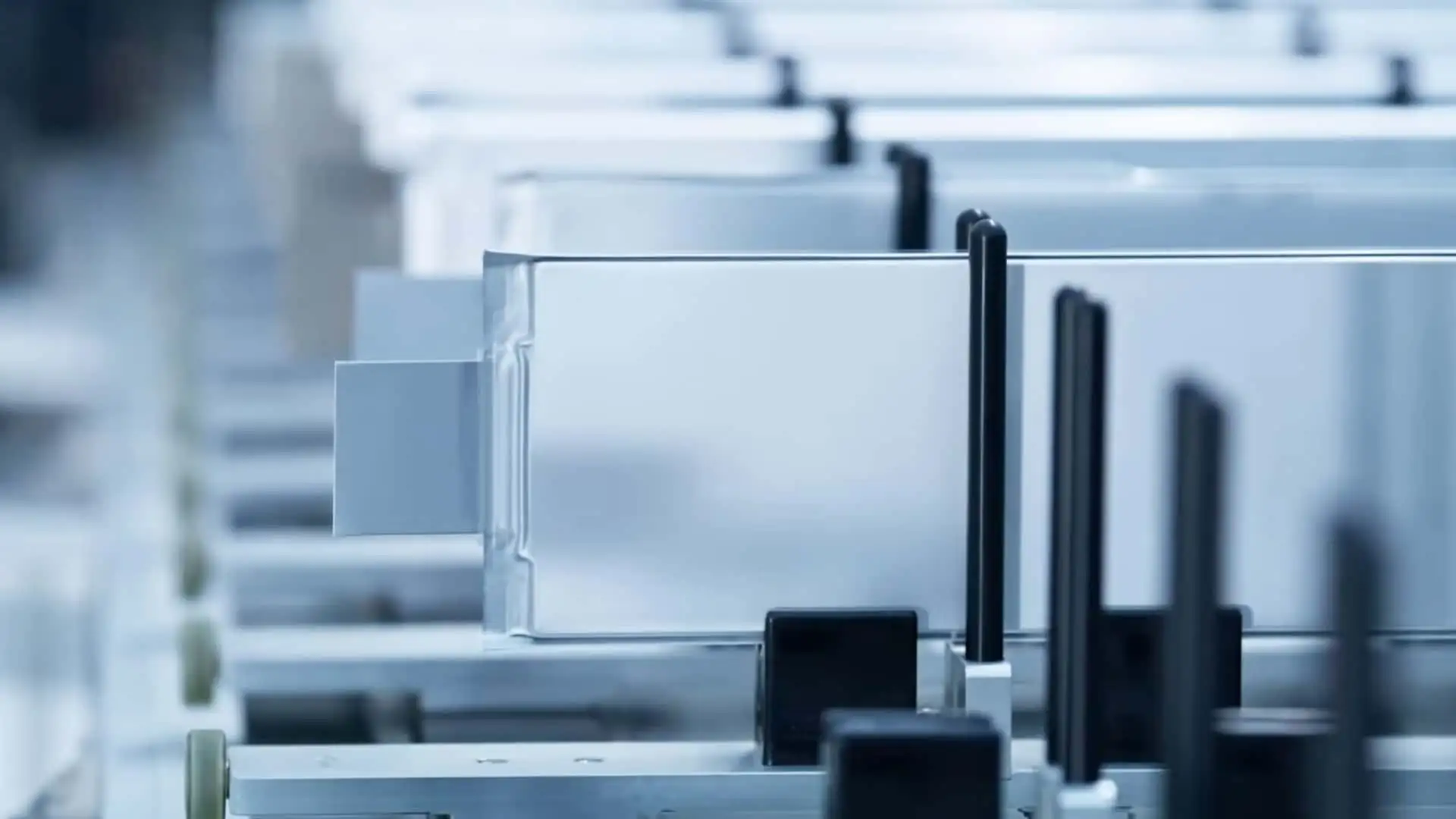
ProLogium’s 1 GWh annual capacity sounds impressive until you do the math. That’s enough for roughly 10,000 to 15,000 EVs per year, assuming 70-100 kWh packs per vehicle. For context, Tesla alone sold over 1.8 million vehicles last year. ProLogium’s entire output would cover about 0.8% of that volume. This isn’t scale. It’s a pilot program with a factory badge.
The real question is whether solid-state can ever reach cost parity with the lithium-ion cells that keep getting cheaper every quarter. Current lithium-ion prices hover around $100-120 per kWh. Solid-state needs to get there, but the materials and manufacturing processes are fundamentally more expensive. Ceramic electrolytes don’t come cheap, and the precision required to layer them without defects is brutal.
Ask yourself this: would you pay a $10,000 premium for a battery that promises longer range but has zero real-world track record? The cycle life data ProLogium has published is promising, but it’s lab data. Real-world degradation under fast charging, extreme temperatures, and daily abuse is still an open question.
That’s not speculation. That’s the gap between a press release and a five-year ownership experience.
The Real-World Trade-Offs Buyers Need to Weigh
Let’s talk about what solid-state actually delivers beyond the hype. Faster charging is real, potentially cutting 10-80% charges to under 15 minutes. That’s a genuine improvement over today’s 30-40 minute stops. But faster charging only matters if the charging infrastructure can deliver the power, and most public chargers still cap out well below what these cells can accept.
Range is the other headline benefit, but here’s the question nobody answers: do you actually need 600 miles of range? The average American drives about 40 miles per day. A 300-mile EV already covers 99% of driving scenarios with zero range anxiety. Paying $10,000 extra for range you’ll use once a year is a luxury, not a necessity.
Then there’s the depreciation risk, which is the elephant in the room. If solid-state technology matures rapidly over the next five years, today’s premium solid-state EVs could lose value faster than a lead balloon. Early adopters always pay the innovation tax, but this one could be especially brutal if battery tech leapfrogs itself.
Budget-conscious buyers should walk away from this entirely. The value proposition simply isn’t there yet.
Who Should Actually Buy a Solid-State EV in 2025
The target buyer is narrow but real: affluent early adopters who want the longest range possible and have the disposable income to absorb a $10,000+ premium. Think of it like buying a first-gen OLED TV. The picture was stunning, but you paid triple the price of a decent LCD, and two years later, the same TV cost half as much. That’s the solid-state EV ownership experience in a nutshell.
If you’re leasing, the risk is lower. You get the range and charging benefits without owning the depreciation bomb. If you’re buying and holding for eight to ten years, you’re betting that solid-state becomes the standard rather than a transitional technology. That’s a bold wager given how fast battery chemistry is evolving.
The counterintuitive truth is that ProLogium’s production milestone is genuinely historic, but it’s historic for the wrong reasons. It proves solid-state can be manufactured at scale, not that it can be manufactured affordably. Those are two completely different achievements, and conflating them is how buyers get burned.
Mercedes is betting that its luxury customers will pay for the technology, and they’re probably right. But that doesn’t make it a smart purchase for anyone outside that demographic.
The Verdict: Wait, Unless You’re Rich and Curious
Solid-state batteries will eventually transform EVs, but that future is five to ten years away, not 2025. The current generation is a proof of concept with a luxury price tag, and the depreciation risk is real. If you’re shopping for a premium EV and money is no object, the range and charging benefits are worth experiencing. For everyone else, the smart play is waiting for the second or third generation, when costs drop and real-world data exists. The technology is coming. Your wallet doesn’t have to be the test dummy.