
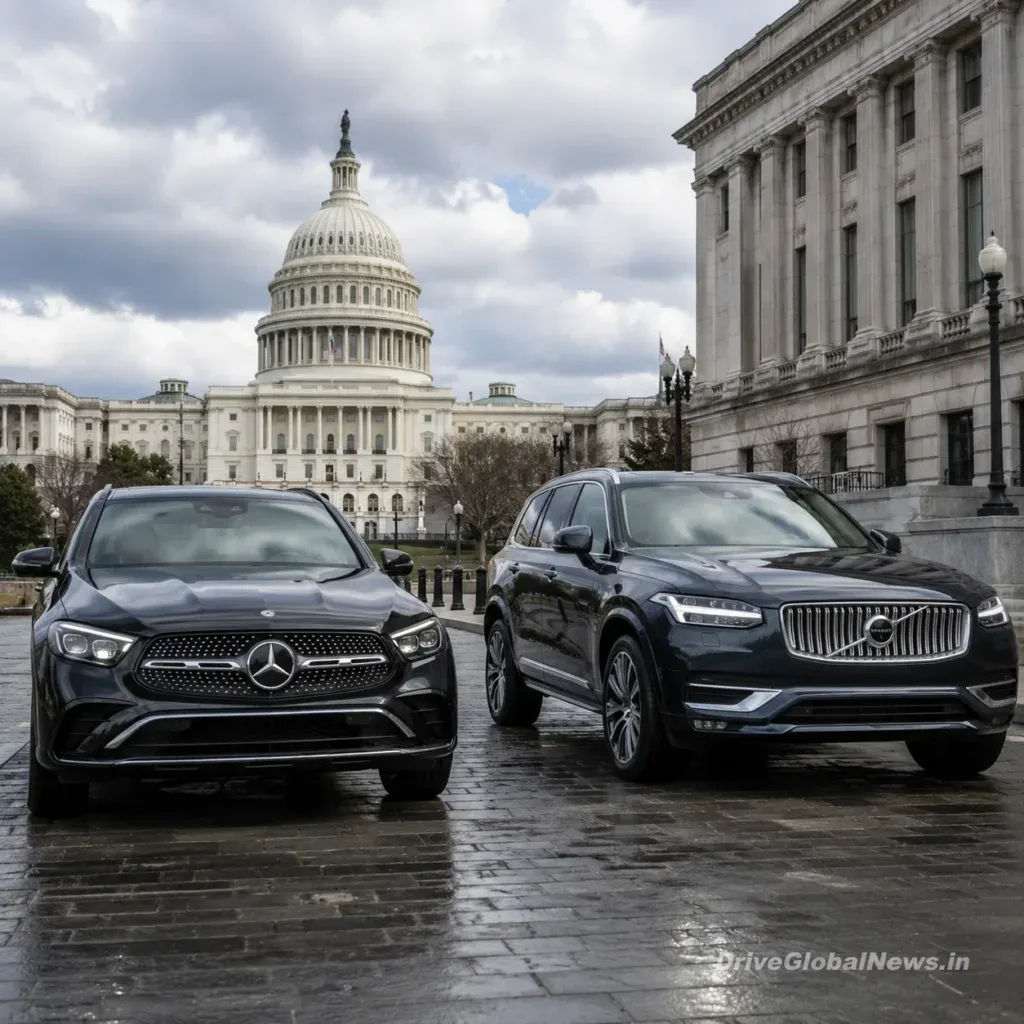
A bipartisan bill moving through the U.S. Senate has raised the possibility that certain well-known European brands could face major restrictions on selling vehicles in America. The measure is aimed at national security concerns over connected vehicles and foreign ownership, but its ownership thresholds have put Mercedes-Benz and Volvo in the conversation.
Here is what is actually happening.
The Bill at the Center of the Debate 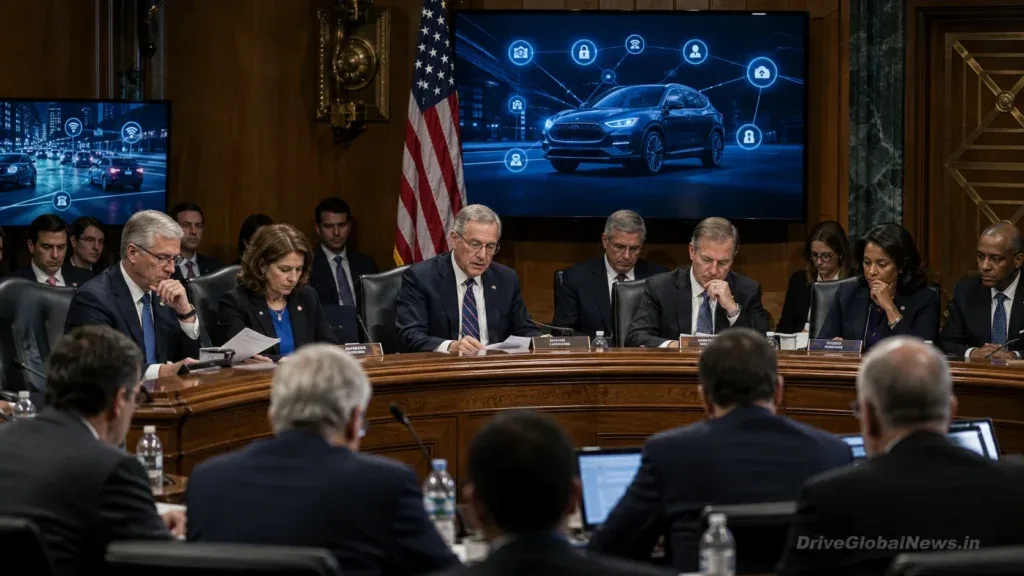
The Connected Vehicle Security Act, advanced by the Senate Commerce Committee in July 2026, seeks to limit the sale, import, and operation of connected vehicles linked to “foreign entities of concern.” Those entities primarily include companies tied to China, along with other designated adversarial nations.
A key provision would restrict automakers that have more than 15% ownership by such entities. Supporters argue the rules are needed because modern vehicles collect large amounts of data and can be remotely accessed through software and connectivity features. Critics of Chinese-linked vehicles have described them as potential surveillance risks on American roads.
Why Mercedes and Volvo Are Mentioned Mercedes-Benz has roughly 19–20% passive Chinese investment, which sits above the 15% threshold written into the bill. Volvo Cars is controlled by China’s Geely, and its sister brand Polestar has also faced related scrutiny under existing connected-vehicle rules.
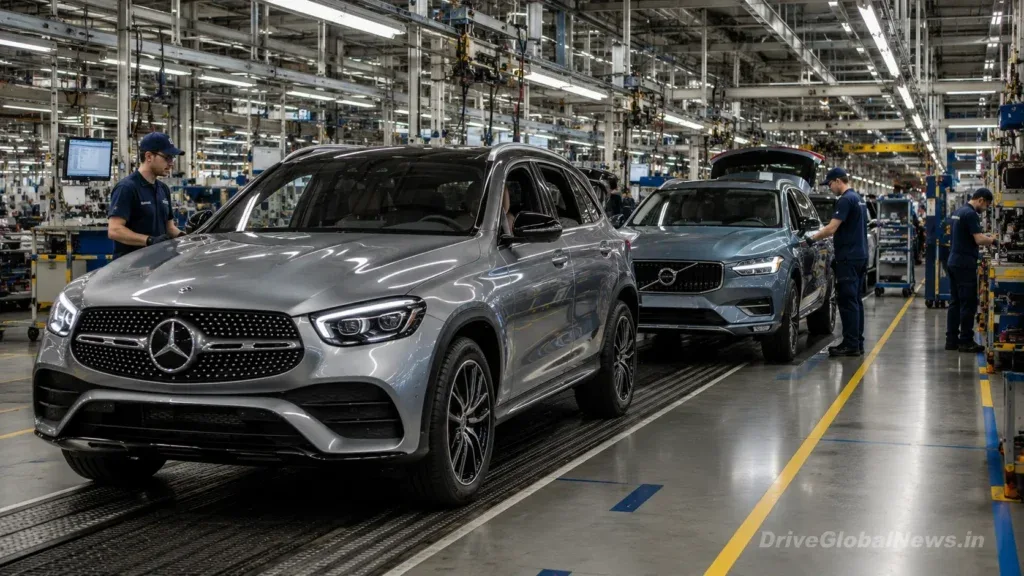
Committee Chairman Ted Cruz publicly noted that the ownership language, as drafted, could affect Mercedes. Sponsors of the bill, including Sen. Bernie Moreno (R-Ohio) and Sen. Elissa Slotkin (D-Michigan), have pushed back on the idea of an outright ban. Moreno has stated there is “no scenario” in which Mercedes would be banned from the U.S. market and pointed to the company’s American manufacturing footprint and the availability of waivers and a compliance timeline running into 2030.
Volvo has previously indicated it is working to meet federal connected-vehicle requirements and has received authorizations to continue selling in the United States under related rules.
What the Bill Does Not Do — Yet The legislation has only cleared the Senate Commerce Committee. It still requires a full Senate vote, House action, and reconciliation before it could become law. Even if enacted in its current form, the ownership restrictions include transition periods and a waiver process for companies that can demonstrate mitigation of security concerns.
Existing Commerce Department rules already restrict certain Chinese connected-vehicle technologies. This bill would codify and expand those efforts, including broader ownership and supply-chain limits.
Why It Matters for Buyers and the Industry If the ownership thresholds remain and no waivers are granted, affected brands would eventually need to restructure ownership, change supply chains, or face limits on U.S. sales. That creates uncertainty for dealers, customers considering long-term ownership, and the companies themselves.
Mercedes builds vehicles in the United States and employs significant numbers of American workers. Volvo also has U.S. manufacturing. Sponsors emphasize that the goal is security and protection of the domestic industry, not the removal of established European brands that comply with the rules.
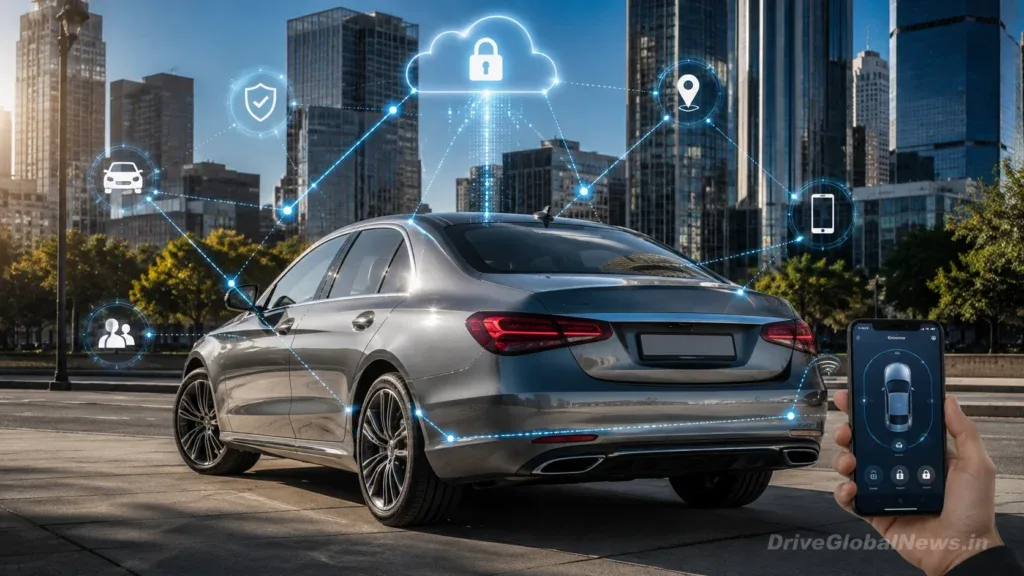
The Bottom Line A Senate committee has advanced legislation that could restrict automakers with substantial ownership by Chinese or other designated foreign entities. Mercedes-Benz and Volvo currently sit near or above the proposed thresholds, which is why their names are attached to the story. Sponsors insist the bill is not intended to ban those brands and includes time and pathways to comply.
The measure is still far from becoming law. Its final language, any waivers, and the political path through both chambers will determine whether the impact is limited to Chinese brands or reaches further.
For now, the practical effect is heightened scrutiny of ownership structures and connected-vehicle technology — not an immediate ban on Mercedes or Volvo showrooms.
Are you more concerned about the national-security arguments behind the bill, or about potential disruption to popular European brands in the U.S. market?